Israel seizes Crusader-era castle as Netanyahu orders forces deeper into Lebanon

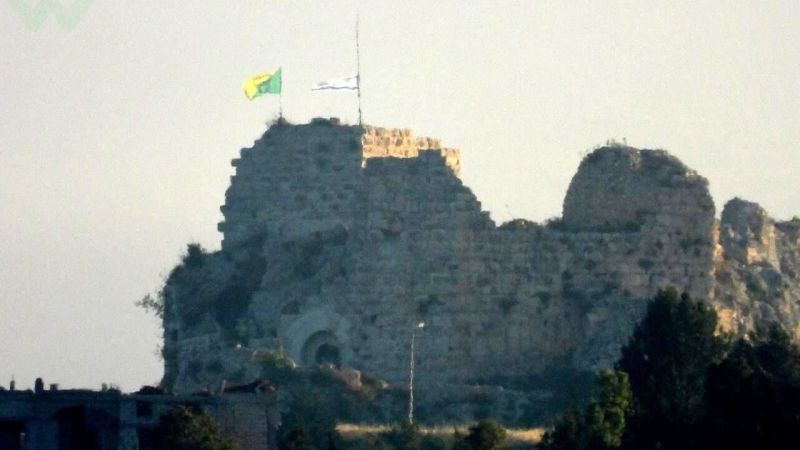
Israel Seizes Crusader-Era Castle Amid Deepening Conflict in Lebanon
Israel seizes Crusader era castle as Netanyahu – Israeli forces have taken control of Beaufort Castle, a historically significant structure in southern Lebanon, as Prime Minister Benjamin Netanyahu directs military operations to advance deeper into the country. The castle, located near the city of Nabatiyeh and approximately 9 miles from the Israeli border, has become a focal point of recent combat. This marks the first time Israel has reoccupied the site since 1998, according to military sources. The move comes as tensions escalate between Israel and Hezbollah, with clashes intensifying across the region.
According to the Israel Defense Forces (IDF), the operation aims to secure control of the Beaufort Ridge and the Wadi al-Saluki area. The statement released Sunday emphasized that the mission is designed to neutralize Hezbollah’s military capabilities and disrupt its logistical networks. “Our forces are now firmly established in key positions that will strengthen Israel’s presence in southern Lebanon,” the IDF said, highlighting the strategic value of the terrain.
“We returned to Beaufort stronger than ever,” Netanyahu stated on Sunday, praising the operation’s success. He noted that Israeli troops have captured the Beaufort outpost and raised the national flag alongside the Golani Brigade’s emblem, signaling a symbolic victory. “This is a dramatic stage and a dramatic change in the policy we are leading,” he added, underscoring the shift in Israel’s military strategy.
Beaufort Castle, constructed by the Crusaders around the year 1126, stands atop a cliff overlooking the Litani River. Its historical significance is underscored by its role in past conflicts, including the 1982 Israeli invasion of southern Lebanon, when it served as a critical stronghold. The site was heavily damaged during an 18-year occupation, with UNESCO documenting the extent of its destruction before Israeli forces withdrew in 2000. The castle’s strategic location has made it a recurring target in regional warfare.
Recent operations have seen intense fighting near the castle, with Hezbollah launching attacks from the area. On Saturday, the Lebanese National News Agency (NNA) reported that Israeli air raids and heavy artillery fire targeted the surrounding region. The agency also claimed Hezbollah had destroyed an Israeli tank in the vicinity, though Israeli officials have yet to confirm the details. The conflict has drawn concern from local authorities, with the Arnoun Municipality condemning the bombardment three days prior and calling for international intervention to safeguard the historical site.
Netanyahu’s directive to push deeper into Lebanon has led to a broader military expansion. Israeli troops have crossed the Litani River, a waterway that lies roughly 30 kilometers north of the border, as part of the ongoing offensive. “Now my directive is to deepen and expand our hold on areas that had been under Hezbollah’s control,” the prime minister said, reflecting a shift in focus from defensive operations to territorial consolidation. The IDF has since reported strikes on Hezbollah’s command centers and weapon depots in the coastal Tyre region and other parts of southern Lebanon.
UNESCO’s Role in Protecting the Site
Beaufort Castle has been recognized by UNESCO as one of the best-preserved medieval fortresses in the Near East. In late 2024, the organization granted the structure provisional enhanced protection, the highest level of defense against military use or destruction. This designation comes amid fears that the continued conflict could threaten the castle’s heritage. “The site is not only a historical monument but also a symbol of the region’s complex past,” a UNESCO representative noted in a statement following the grant.
Despite a US-mediated ceasefire agreement signed in April 2026, the fighting between Israel and Hezbollah has not eased. The recent incursion into Lebanon has raised questions about the sustainability of the peace deal, with the US pushing for its inclusion in broader negotiations. President Donald Trump expressed support for Israel’s “freedom of action against threats on all fronts,” including Lebanon, according to an Israeli official who shared the remark with CNN. However, the intensifying combat may complicate efforts to achieve a lasting truce.
As the conflict continues, the strategic implications of capturing Beaufort Castle are evident. The fortress’s position near the border allows for rapid deployment of forces and surveillance of Hezbollah movements. Analysts suggest that the IDF’s focus on the ridge and the river valley could disrupt Hezbollah’s supply lines and limit its ability to launch attacks from southern Lebanon. The operation also highlights the evolving nature of the war, with Israel seeking to establish a more permanent foothold in the region.
Historically, Beaufort Castle has played a pivotal role in regional conflicts. During the 1982 Israeli occupation, it was a key point of contention between Israeli troops and Palestinian forces. The site’s destruction during that period was significant, but its recent reoccupation by Israel has reignited debates about the preservation of cultural landmarks in war zones. “The castle is a testament to centuries of history, and its survival is crucial for Lebanon’s identity,” said a historian quoted in the National News Agency’s report.
With the situation in southern Lebanon growing more volatile, the international community is closely monitoring the developments. The Lebanese government has called for support to protect its cultural sites, while UNESCO remains vigilant about the potential risks to the castle. Meanwhile, Israel’s continued advance into Lebanese territory has prompted discussions about the long-term consequences of the conflict, including the possibility of a prolonged military presence in the region.
Netanyahu’s decision to intensify the operation reflects a broader strategy to assert control over contested areas. The prime minister’s comments on Sunday emphasized the importance of the castle as a turning point in the war. “This victory demonstrates our commitment to defending national interests,” he said, framing the operation as a necessary step in the face of ongoing threats. The IDF’s statement also revealed that the campaign has expanded beyond the immediate vicinity of Beaufort, targeting infrastructure across multiple sectors of southern Lebanon.
As the conflict progresses, the impact on both military and civilian populations remains a concern. The IDF has issued evacuation orders for villages north of the Litani River, affecting thousands of residents. The fighting has not only displaced communities but also strained resources in the region. With Hezbollah’s activities continuing and Israeli forces moving further inland, the situation is expected to remain tense in the coming days.
Beaufort Castle’s capture symbolizes a deeper geopolitical shift in the region. The fortress, once a relic of the Crusader era, now stands as a marker of contemporary conflict. Its strategic location and historical importance make it a key asset in the broader struggle between Israel and Hezbollah. The IDF’s ability to secure the site underscores its military capabilities, but the challenge lies in maintaining control while minimizing damage to the surrounding area.