Trump sent back Iran deal text with changes

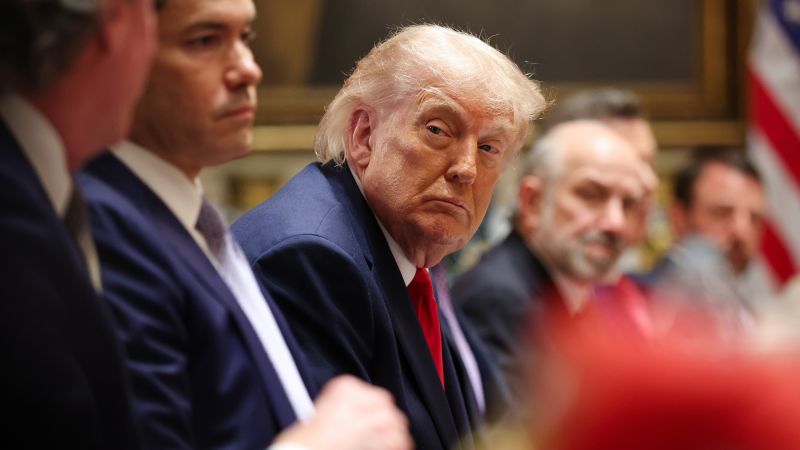
Trump Revisits Iran Deal with New Conditions
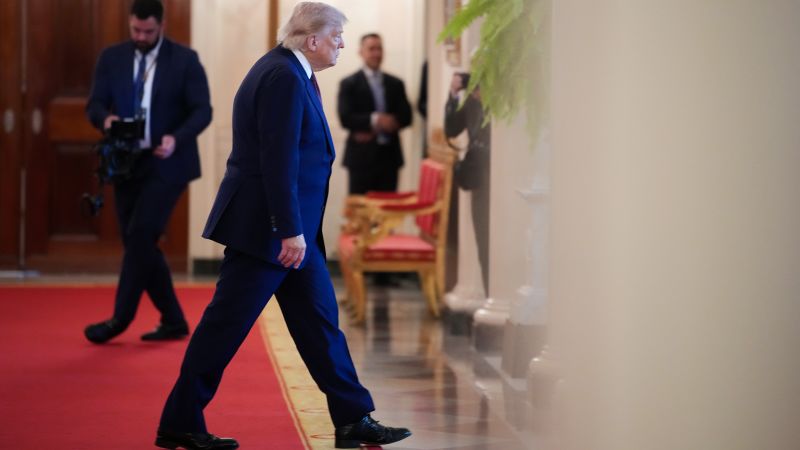
Trump sent back Iran deal text – Following a Friday session with his advisors, President Donald Trump returned to the table with revised terms for the Iran nuclear agreement, according to U.S. officials. This latest round of adjustments has pushed the ongoing diplomatic discussions into another week of intense deliberation. While the specifics of the proposed modifications remain undisclosed, sources indicate that the president prioritized strengthening provisions related to Iran’s nuclear obligations and its promise to restore access to the Strait of Hormuz. The U.S. Gulf allies have been informed of these developments, yet the nature of the revisions continues to spark debate among international observers.
Subtle Adjustments and Strategic Concerns
A foreign official, who has been closely monitoring the talks, told CNN that the changes Trump introduced are not major but reflect a U.S. push for more explicit guarantees on key issues. The focus appears to be on ensuring that Iran’s commitments are clearly defined and enforceable. Trump, known for his critical stance toward previous agreements, has emphasized the need for a stronger framework to prevent Iran from gaining strategic advantages. His concerns center on the financial benefits Iran would receive under the deal, which he fears could mirror the perceived leniency of the Obama-era pact.
One U.S. official noted that military action is less likely if a deal is close, underscoring the Gulf region’s preference for avoiding renewed hostilities. However, the U.S. has not abandoned its hardline approach, particularly regarding the Strait of Hormuz, a vital corridor for global oil transportation. The president’s directive to the Navy to block Iranian ports and clear the strait of mines has intensified pressure on Tehran, even as negotiations continue. This move, combined with the recent interception of an Iranian missile near Kuwait, highlights the interplay between diplomacy and military strategy in the ongoing conflict.
Discrepancies in Nuclear Program Details
Despite Trump’s public assertions that the deal is nearly complete, the negotiations have not yet reached a definitive conclusion. During Friday’s two-hour meeting, the president outlined specific conditions, including a commitment to destroy Iran’s stockpile of highly enriched uranium. Yet, Iran has consistently maintained that it is not negotiating the details of its nuclear program, according to Tasnim, a semi-official news agency. The Iranian Parliament Speaker, Mohammad Bagher Ghalibaf, reiterated this stance, stating that no agreement will be approved until Tehran’s “rights” are secured.
“The soldiers of the diplomatic battlefield have no trust in the words and promises of the enemy. What matters to us is tangible achievements that we must obtain, in exchange for which we will fulfill our commitments,” Ghalibaf’s remarks were reported by Tasnim.
Additionally, Trump claimed there was no discussion of monetary exchanges as part of the deal, a point Iran insists is essential for any final agreement. This divergence in priorities has created uncertainty about how the deal’s language will be resolved, with officials acknowledging that the debate over wording will persist as talks progress.
Regional Tensions and Military Actions
The interception of an Iranian ballistic missile near Ali Al Salem Air Base in Kuwait last week has added another layer to the geopolitical landscape. A U.S. source confirmed that the incident resulted in minor injuries to personnel from falling debris, though the exact circumstances of the attack remain under investigation. This event underscores Iran’s growing military capabilities and its ability to project power beyond its borders.
Delaware Senator Chris Coons, a Democrat on the Senate Foreign Relations Committee, voiced cautious optimism about the deal’s terms but warned that practical implementation might be challenging. “While we can use our technological superiority to bomb Iran’s facilities, we cannot stop them from using their mines to close the Strait of Hormuz or their drones to attack our allies,” Coons stated during an appearance on “Fox News Sunday.” His skepticism highlights the tension between symbolic agreements and the need for enforceable measures to counter Iran’s strategic threats.
Blockade and Economic Measures
As negotiations unfold, the U.S. military has maintained a blockade of Iranian ports, a strategy aimed at disrupting the country’s access to critical resources. The Navy has been actively enforcing this measure, with CENTCOM reporting that a Gambian-flagged vessel was recently disabled by a missile strike targeting its engine room. This action marks the fifth commercial ship intercepted since the blockade began, according to the U.S. military. Over 100 vessels have also been redirected, illustrating the economic pressure being applied to Iran.
National Economic Council Director Kevin Hassett provided reassurance that the federal government and private sector still have substantial oil reserves to buffer against rising prices. “We have billions of oil barrels in reserve, which allows us to stabilize markets and support energy demands during this period of uncertainty,” Hassett explained in a Sunday statement. His comments suggest that the economic fallout from the blockade and trade restrictions is being managed, though the long-term effects remain a point of discussion.
Final Determination and Uncertain Outlook
Trump’s Friday meeting was pivotal, as he declared the deal “largely finalized” and signaled the end of hostilities. However, the absence of a conclusive decision indicates that the process is far from over. The president’s social media updates detailing the deal’s conditions have been met with mixed reactions, with some allies expressing cautious support and others questioning the feasibility of the proposed terms.
With the Gulf states eager to see a resolution, the focus remains on balancing Iran’s concessions with U.S. security interests. The interplay between diplomatic negotiations and military actions—such as the blockade and missile strikes—has kept tensions high. As the talks continue, the stakes for both sides are clear: the U.S. seeks a deal that limits Iran’s nuclear ambitions and regional influence, while Tehran aims to protect its economic and strategic gains. The outcome of this process will have far-reaching implications for international relations and global energy markets.
Amid these developments, the question of how to resolve discrepancies in the deal’s language remains unresolved. Whether the revised terms will secure Iran’s cooperation or lead to further stalemate is yet to be determined. For now, the negotiations persist, with both sides preparing for the next phase of this complex and high-stakes diplomatic engagement.