
An agreement on the Strait of Hormuz is taking shape – but not one Trump wants
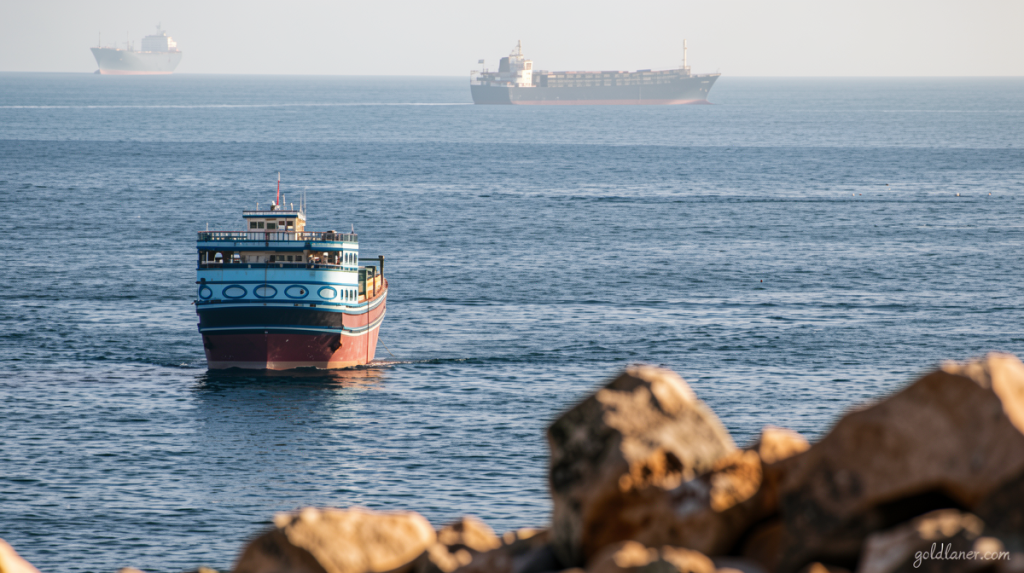
New Shipping Framework Emerges for Strait of Hormuz Amid Regional Tensions
Goldlaner.com – A diplomatic breakthrough is unfolding in the Persian Gulf as Iran and Oman move toward establishing fresh maritime corridors through the strategically vital Strait of Hormuz. While this bilateral arrangement signals progress, it falls short of the complete waterway reopening that American leadership envisions. The negotiations carry substantial weight for international commerce, potentially settling longstanding disagreements over navigation protocols that have already disrupted global supply chains.
Iran has made clear that Washington must satisfy supplementary requirements before allowing unrestricted vessel passage through the contested channel. Understanding these conditions reveals the complexity of the situation and why a simple solution remains elusive despite weeks of intensive talks.
Framework Details and Geographic Parameters
Iranian Deputy Foreign Minister Kazem Gharibabadi revealed during a Wednesday interview that his country and Oman stand near completing a comprehensive framework agreement. Crucially, this deal would not trigger automatic reopening of the maritime passage. The two nations have already settled on specific geographical coordinates defining a designated safe shipping corridor within the strait, according to Foreign Ministry spokesperson Esmaeil Baghaei.
“Provided that certain third parties do not obstruct the process,” Baghaei added, tempering enthusiasm for an immediate resolution.
Discussions spanning more than three weeks have yielded substantial consensus regarding both inbound and outbound navigation pathways. Technical specifications, security arrangements, and sovereignty considerations have all been addressed. A joint coordination center designed to oversee maritime traffic flow and gather vessel data represents another key component of the proposed system.
Restructuring Traditional Navigation Routes
The emerging arrangement would close temporary routes currently operating near Iran’s Larak Island while simultaneously routing traffic through Omani territorial waters. This represents a significant shift from historical patterns. Previously, commercial vessels predominantly traveled through Omani waters, but the new configuration would channel substantial portions of traffic through Iranian maritime zones.
Initial operations would span two to four months, potentially extending beyond that timeframe. Implementation requires explicit approval from Iran’s highest leadership tier, adding another layer of complexity to the timeline.
“The new Iran-Oman understanding is presented as an entirely new model reflecting today’s security environment rather than a continuation of the previous 60-year arrangement,” Gharibabadi explained regarding the structural changes.
American Conditions and Diplomatic Demands
Tehran continues attributing the strait’s effective closure to Washington, pointing specifically to recent threats from President Donald Trump regarding potential military escalation. Gharibabadi outlined several prerequisites that must be met before full reopening can occur.
The United States must reverse measures deemed violations of prior commitments, including lifting the naval blockade imposed on Iranian ports. Sanctions recently reimposed following the collapse of a truce—particularly those targeting the oil sector—require attention. Additionally, negotiations concerning Tehran’s frozen foreign assets must resume. The United States also faces criticism for what Iran characterizes as inadequate efforts to maintain stability in Lebanon, as outlined in a June memorandum of understanding.
When questioned about whether Iran is implementing Article 5 of the June agreement—which committed Tehran to using its best efforts for 60 days of safe commercial passage—Gharibabadi responded definitively: “No.”
“Article 5 only established guiding principles, not a final operational plan,” he clarified, emphasizing the distinction between framework and execution.
Strategic Implications and Regional Dynamics
The restructuring of shipping routes through the Hormuz corridor carries profound implications for regional power dynamics. A significant portion of global oil trade passes through this narrow waterway, making any changes to navigation protocols economically consequential. The proposed system would see commercial vessels distributed between Iranian and Omani territorial waters, fundamentally altering decades of established practice.
Gharibabadi characterized the arrangement as reflecting a new approach to exercising effective sovereignty over the strait. Iran has signaled no intention to implement routine closures during peacetime, suggesting a more measured approach to maritime control. However, the merging of competing routes—southern and northern passages—indicates Iran seeks to maintain meaningful influence over navigation decisions.
Saeed Ajorlu, representing Iran on the negotiating committee, emphasized that the framework should establish Iranian arrangements since Tehran handles security operations, de-mining activities, and maritime services. Speaking to Iranian state broadcaster IRIB, Ajorlu described the objective as creating temporary arrangements lasting one to three months during which Iran would exercise dominant authority.
This assertion of dominance may encounter resistance in Washington and among Gulf state capitals, where American influence remains substantial. The negotiations ultimately aim to transform the southern route passing through Omani waters and the northern route traversing Iranian territorial waters into an intermediate corridor serving both coastal nations’ interests. Whether this balanced approach satisfies all parties remains to be seen as implementation timelines approach.
Related Reading
Frequently Asked Questions
What is An agreement on the Strait of Hormuz?
An agreement on the Strait of Hormuz is the main topic of this guide. The article explains the context, practical details, and next steps readers should understand.
Why does An agreement on the Strait of Hormuz matter?
An agreement on the Strait of Hormuz matters because readers are looking for a useful answer, not just a short summary. Good content should match search intent and help them decide what to do next.
