
Special Agent in Charge of FBI Chicago field office pushed to retire
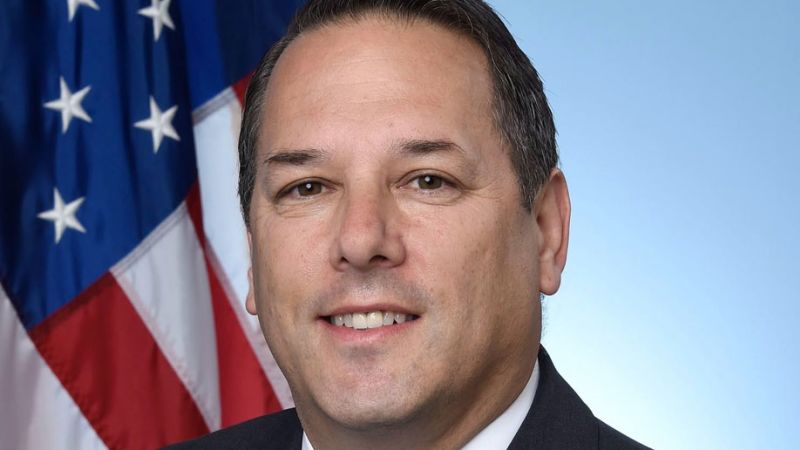
Former FBI Director Christopher Wray Appoints Douglas S. DePodesta to Lead Chicago Field Office
Special Agent in Charge of FBI Chicago – In a significant development, the FBI’s Chicago field office head, Douglas S. DePodesta, has been encouraged to step down following conflicts with local US Attorney Andrew Boutros, according to two individuals close to the situation. These sources indicated that the decision was not the result of a single disagreement, but rather a culmination of multiple disputes that have strained the relationship between the two officials. DePodesta, who was named to his role in 2024 by former FBI Director Christopher Wray, is set to begin clearing his office on Wednesday, as reported by one of the sources. However, none of the individuals involved in the retirement process have been authorized to speak to the media, leaving the details of the situation shrouded in some ambiguity.
DePodesta’s Career and Leadership Role
DePodesta’s tenure at the FBI spans over two decades, beginning with his initial appointment in 2002. Prior to his role in Chicago, he served as the interim special agent in charge of the Memphis Field Office in Tennessee, where he managed operations and oversaw investigations. His experience in the field has been marked by a commitment to operational efficiency and a focus on high-profile cases, which has likely contributed to his prominence within the bureau. The Chicago field office, which handles a wide range of federal investigations, including organized crime and cybercrime, has been under scrutiny in recent months, prompting questions about the reasons behind DePodesta’s impending exit.
DePodesta’s leadership in Chicago was not without challenges. The special agent in charge has faced criticism from various quarters, including concerns about the direction of key cases and the handling of sensitive information. His appointment by Wray in 2024 was seen as a strategic move to stabilize the office, but recent tensions with Boutros suggest that internal dynamics have shifted. The Justice Department, which oversees the FBI, has yet to provide a formal statement on the matter, directing questions to the bureau itself. As of now, the FBI has not released any official comments, leaving the public to speculate on the causes of DePodesta’s retirement.
Boutros in the Spotlight: A Tumultuous Year for the US Attorney’s Office
Meanwhile, Andrew Boutros has found himself in the national spotlight, with his actions drawing attention from both political and legal circles. As a Trump-appointed US attorney, Boutros has been a central figure in several high-profile investigations, including those related to former President Donald Trump’s legal battles. His recent decision to drop three cases—alleging Covid fraud, years-old arson, and politically charged incidents against ICE protestors—has sparked debate about the influence of internal politics on prosecutorial decisions.
The cases in question were dismissed after a lower-level prosecutor’s work on them came under scrutiny. Boutros’ office launched a comprehensive review of more than 100 transcripts of confidential grand jury sessions, examining the evidence and procedural integrity of the charges. This review, which has been described as meticulous, has led to the withdrawal of cases that were previously considered strong. The timing of these dismissals coincides with Boutros’ increased media presence, including appearances alongside Justice Department officials in Washington, DC, suggesting a broader strategic realignment within the US attorney’s office.
The fallout from these decisions has been considerable. The Northern District of Illinois, where Boutros oversees operations, has faced questions about its independence and effectiveness. Critics argue that the dismissal of cases could signal a shift in priorities, potentially favoring political considerations over legal merit. However, Boutros has defended his actions, emphasizing the importance of due diligence and the need to ensure that all charges are thoroughly substantiated. This stance has garnered support from some within the legal community, who view the process as a necessary correction rather than a political maneuver.
Broader Implications: E. Jean Carroll and Reid Hoffman’s Role
Adding to the complexity of the situation, Boutros’ office is currently involved in a Justice Department investigation related to E. Jean Carroll’s lawsuits against Donald Trump. This probe aims to determine whether Carroll committed perjury in her claims against the former president and examines the role of billionaire Reid Hoffman in funding the litigation. Hoffman, who is a co-founder of LinkedIn, has been a key financial backer of Carroll’s legal efforts, raising questions about potential conflicts of interest.
The investigation into Carroll’s cases has become a focal point for discussions about the intersection of personal and political interests in federal prosecutions. As the lawsuits progress, the Justice Department’s scrutiny of the evidence has intensified, with a particular emphasis on the credibility of witness testimony and the sources of financial support for the litigation. This probe has also highlighted the broader implications of such cases, as they may influence public perception of Trump’s legal standing and the integrity of the judicial system.
Boutros’ involvement in both the dismissal of cases and the Carroll investigation underscores the multifaceted challenges facing the US attorney’s office. The decision to drop the three cases has been framed as a measure to strengthen the office’s reputation for fairness and objectivity. However, some analysts argue that the move may also reflect a desire to align with the priorities of the current administration. Regardless of the motivations, the situation has sparked a deeper examination of the role of the US attorney in shaping the trajectory of federal prosecutions.
Uncertainty and Future Developments
CNN has attempted to reach DePodesta for his perspective on the retirement, but as of now, he has not responded. The lack of official statements from both the FBI and the Justice Department has fueled speculation about the underlying causes of DePodesta’s exit. Some observers suggest that the conflict may stem from differing approaches to investigative strategies, while others point to broader political tensions within the agency.
As the story continues to unfold, the implications for the FBI’s Chicago field office and the US Attorney’s office remain significant. DePodesta’s departure may lead to a leadership transition that could either stabilize the office or introduce new challenges. The Justice Department’s review of the cases, combined with the ongoing investigation into E. Jean Carroll’s lawsuits, suggests that the situation is far from resolved. With further updates expected, the public will likely remain attentive to how these developments shape the future of federal law enforcement in the region.
Amidst this evolving narrative, the FBI’s role in maintaining the integrity of its operations has come under renewed focus. The bureau’s decision to decline comment on DePodesta’s retirement highlights the internal deliberations taking place within its ranks. As the agency navigates these challenges, it must balance the need for efficient leadership with the expectations of transparency and accountability. The coming weeks will be critical in determining whether these changes mark a turning point or a continuation of existing trends within the FBI’s leadership structure.
For now, the Chicago field office remains in a state of transition, with the departure of its special agent in charge raising questions about the direction of future investigations. The relationship between DePodesta and Boutros, which has been described as contentious, serves as a reminder of the intricate dynamics at play in federal law enforcement. As the Justice Department continues its oversight and the FBI prepares to announce its next leader, the spotlight on these developments is likely to persist, influencing both public perception and the agency’s operational strategy.
