
American desserts: 15 sweet regional treats to try
American Regional Desserts: 15 Sweet Treats Worth Trying
American desserts – Across the U.S., communities have developed unique confections that travelers are encouraged to try. These desserts, often deeply rooted in local traditions, showcase the country’s diverse culinary heritage. From the buttery layers of a Southern classic to the fruity sweetness of a Pacific Northwest specialty, each regional favorite tells a story of innovation and cultural identity. Here’s a curated list of 15 iconic desserts that highlight America’s sweet diversity.
Whoopie Pies: A State Debate
While the origins of whoopie pies are frequently disputed, their reputation as a beloved treat is undisputed. Both Pennsylvania and Maine claim ownership of the dessert, which consists of chocolate cake-like cookie sandwiches filled with creamy frosting. Pennsylvania asserts that Amish bakers invented the dish, while Maine points to Labadie’s Bakery in Lewiston, where the first versions were sold in the 1920s. The state of Maine even elevated the dessert to its official “treat” in 2011, though it’s worth noting that the state dessert remains blueberry pie. This culinary rivalry underscores the deep connection many Americans feel to their regional specialties.
“A tart, earthy sweetness,” the Oregon Raspberry & Blackberry Commission states, “perfect for eating fresh.”
Marionberry Pie: Oregon’s Sweet Secret
Oregon’s marionberry, named after Marion County, is a hybrid of Chehalem and Olallie blackberries, introduced in 1956. The berry’s unique flavor profile—tart yet earthy—has made it a staple in local desserts, particularly pies. During July, when the berries are in season, bakeries across the state transform them into rich, buttery crusts. Lauretta Jean’s Pie Bakery in Portland, for instance, capitalizes on this fleeting window, crafting pies that highlight the fruit’s seasonal peak. The marionberry’s journey from farm to table reflects a broader narrative of regional pride and agricultural innovation.
Key Lime Pie: A Florida Flap
The key lime pie, often hailed as Florida’s signature dessert, has sparked debates about its true origin. While Floridians argue that the pie’s roots lie in the Florida Keys, where small, tart limes were once commercially grown, some historians suggest broader influences. Modern recipes frequently use imported limes or bottled juice, yet the pie’s association with the Sunshine State remains strong. Its status as the official state pie further cements its place in Florida’s cultural fabric. Despite its contested beginnings, the dish continues to be a symbol of regional identity, much like the 2022 designation of strawberry shortcake as the official state dessert stirred controversy among key lime pie enthusiasts.
Alabama’s Lane Cake: A Southern Legacy
Alabama’s state dessert, Lane cake, is a layered confection featuring a buttery, bourbon-spiked raisin filling. The recipe, attributed to Emma Rylander Lane of Clayton, Alabama, dates back to 1898 and was first documented in her cookbook, “Some Good Things to Eat.” This sweet has also found its way into literature, appearing in Harper Lee’s “To Kill a Mockingbird.” The dessert’s name and recipe reflect the region’s deep connection to traditional Southern flavors, with variations often incorporating pecans or coconut for added texture.
St. Louis Gooey Butter Cake: A Happy Accident
Though not Missouri’s official state dessert—honored instead by the ice cream cone, tied to the 1904 St. Louis World’s Fair—the gooey butter cake has become a beloved local favorite. This dense, flat cake with a gooey center is said to have originated from a 1930s kitchen mishap, where proportions were accidentally adjusted to create a unique texture. Today, it’s available in both classic and modern twists, such as lemon or butter pecan variations, often dusted with powdered sugar. The dessert’s simplicity and rich flavor have made it a staple in the city’s culinary scene.
Biscochitos: A New Mexico Tradition
Biscochitos, a traditional New Mexican confection, are small, spiced cookies that have been a part of the region’s heritage for centuries. Made with a blend of nuts, dried fruits, and cinnamon, these treats are often associated with cultural celebrations and family recipes. Unlike many American desserts, biscochitos are deeply tied to indigenous and Spanish influences, showcasing the fusion of history and flavor in the Southwest. Their presence in local markets and festivals highlights the enduring appeal of regional specialties.
Regional Delicacies Beyond the Pie
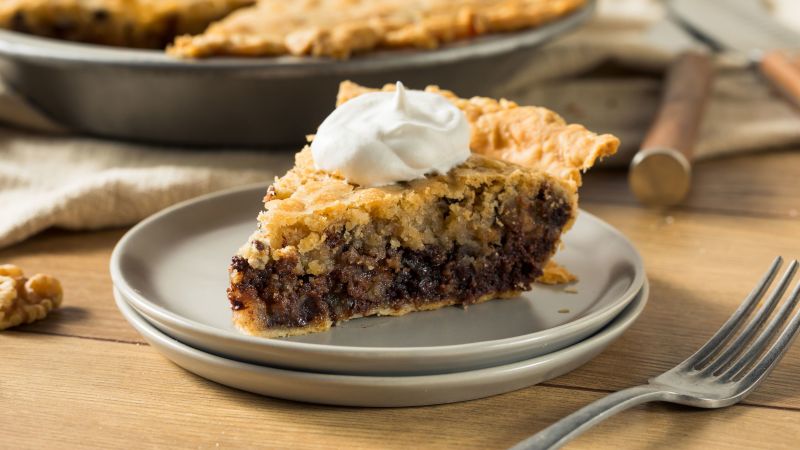
While pies dominate the list, other desserts also reflect America’s regional quirks. For example, the popular chocolate walnut pie from Kentucky has led to legal battles over its name. Kern’s Kitchen in Louisville holds a registered trademark for “Derby-Pie®,” a creation dating back to the 1950s. The bakery has pursued legal action to protect its claim, even winning a 2021 dispute against the Louisville Courier-Journal’s use of the term in a recipe. This pie, like many others, is more than just a sweet—it’s a symbol of local pride and tradition.
Shave Ice: A Hawaiian Innovation
Shave ice, a refreshing treat from Hawaii, traces its roots to Japanese sugar plantation workers who brought kakigori—a centuries-old dessert—to the islands. This delicacy consists of soft, fluffy ice shaved from a solid block and topped with sweet syrups or toppings like liliko’i (passion fruit) and pickled mango. Matsumoto Shave Ice, established in 1951 on Oahu’s North Shore, has become a beloved institution, serving generations of locals and visitors. The dessert’s popularity highlights how cultural exchange has shaped American culinary traditions.
From Accidents to Classics
Some desserts emerged from unexpected circumstances. The gooey butter cake, for instance, is thought to have originated from a 1930s misstep in a St. Louis kitchen. Similarly, the popularity of certain treats often grows through generations of adaptation. Whether it’s a pie that sparked a legal feud or a confection born from a chance discovery, these desserts embody the spirit of regional creativity. Their evolution from humble beginnings to cultural icons underscores the importance of local history in shaping American cuisine.
As these desserts show, the United States is a land of sweet diversity, where each region contributes its own flavor to the national palate. Whether you’re sampling a marionberry pie in Oregon or a biscochito in New Mexico, these treats offer a taste of the places that shaped them. What other regional delights have we overlooked? Share your favorites in the comments below.
