
The 9 Senate seats most likely to flip in 2026
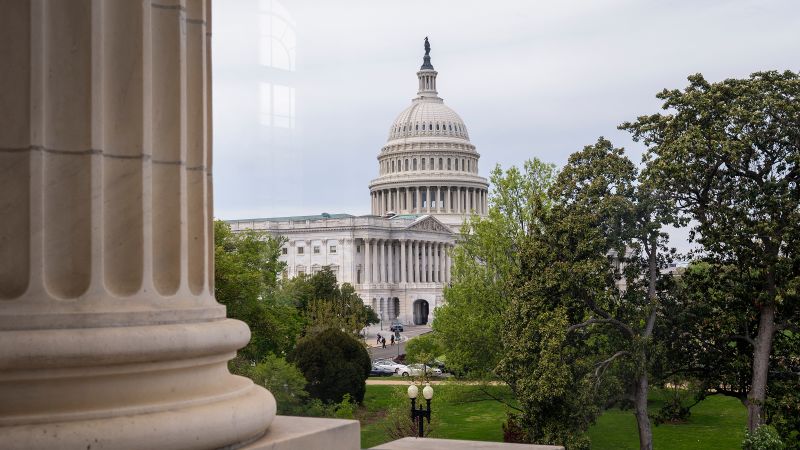
The 9 Senate Seats Most Likely to Flip in 2026
Democrats Eye a Key Shift in Senate Control
The 9 Senate seats most likely – With the primary season entering its fourth month, the political landscape for the U.S. Senate is beginning to take shape. The next phase of the race promises to be more intense, as Democrats aim to reclaim the majority for the final two years of President Donald Trump’s term. Despite a challenging electoral map and concerns over some of their candidates, the party remains optimistic. A favorable national climate, driven by public dissatisfaction with Trump’s economic policies and foreign interventions, is seen as a potential advantage. However, the path to victory will require deft strategy, as flipping four Senate seats—many in historically Republican strongholds—could determine the outcome.
The Role of Trump and Economic Tensions
President Trump’s handling of the economy and the Iran conflict continues to shape voter sentiment. Recent polls reveal that just 34% of Americans hold a positive view of his leadership, with economic issues fueling much of the discontent. The war in Iran has exacerbated cost-of-living concerns, particularly as high gas prices remain a persistent issue. While Trump’s administration is still negotiating its Iran strategy, Republicans hope this could alleviate some of the economic pressure. Yet, the war’s volatility makes it uncertain whether this will resonate before the November elections.
Supreme Court Intervenes in Campaign Finance
Adding another layer to the race, the Supreme Court has recently allowed greater coordination between party committees and campaign efforts. This decision, which permits increased spending in close races, is expected to benefit the Republican Party in the midterm elections. Experts suggest that the GOP may leverage this to bolster their candidates in competitive states. As the general election nears, the flow of funds will play a crucial role in shaping the momentum of key races.
Key States and the Flip Potential
Currently, nine states are pivotal in determining Senate control. Six of these are held by Republicans, while three are in Democratic hands. Our analysis, informed by CNN’s reporting and insights from Senate race strategists, highlights these battlegrounds. The rankings reflect the current state of play, though they are likely to shift as the campaign progresses. North Carolina, in particular, stands out as the most promising seat for a Democratic takeover.
North Carolina: A Critical Test for Democrats
North Carolina is the top contender for a Senate flip, with former governor Roy Cooper offering Democrats a strong opportunity. Cooper’s campaign has leveraged his crossover appeal, having previously won gubernatorial elections in years when Trump carried the state in his presidential bids. This familiarity gives him a built-in edge over Michael Whatley, the Republican nominee. The race to replace retiring Sen. Thom Tillis pits Cooper against Whatley, a former RNC chair.
“You deserve to feel safe, and there’s nothing political about that,” Cooper said in a recent advertisement, countering Republican attacks on his criminal justice record.
According to a New York Times/Siena poll released this week, Cooper leads Whatley by 7 percentage points among likely voters, with 50% supporting him versus 43% for Whatley. However, Whatley has secured Trump’s endorsement early in his campaign, which could sway voters frustrated with the president’s performance. The poll also found that 55% of North Carolina likely voters disapprove of Trump’s overall leadership, while 64% criticize his management of economic challenges.
Cooper’s campaign has capitalized on affordability messaging, aligning with voters’ concerns over rising living costs. In contrast, Republicans have focused on portraying him as soft on crime. Despite this, Cooper maintains a robust fundraising base, with $18.4 million in the bank as of the first quarter. Whatley, on the other hand, has only $2.5 million available. Outside groups are anticipated to play a significant role in the final stretch, with the Senate Leadership Fund planning a $71 million investment—its second-largest such campaign this cycle.
Maine and the Toss-Up Dynamics
Meanwhile, Maine remains a closely contested race. The state’s current Senate seat is held by GOP Senator Susan Collins, but the outcome is uncertain. Collins faces a formidable challenge from her Democratic opponent, whose campaign has highlighted her record on key issues. The race in Maine is emblematic of broader trends, where shifting voter priorities could tip the balance. While Collins has strong local support, the Democratic candidate’s message on economic recovery and national unity has resonated with a growing segment of the electorate.
Funding and Strategic Investments
As the race intensifies, campaign finance becomes a decisive factor. The Senate Leadership Fund, which is backed by Republican leaders, has allocated $71 million to defend Maine, underscoring the stakes. This represents a significant investment, aimed at countering Cooper’s momentum in North Carolina and other states. Conversely, Democratic-aligned groups are preparing to spend $31 million on advertisements to support Cooper, recognizing his potential to alter the Senate’s composition.
North Carolina’s race is particularly notable because it marks the first time a Democrat has had a real shot at reclaiming the Senate seat since 2008, when Kay Hagan won. If Cooper succeeds, it would end a 18-year streak of Republican dominance in the state’s Senate race. His campaign is not only a test of Democratic strength but also a barometer for national trends. The same fundraising advantage that Cooper enjoys in North Carolina is likely to be mirrored in other races, as Democrats mobilize resources to counter Republican efforts.
The Path Forward
With four months remaining until the general election, the dynamics of these races will continue to evolve. Candidates are refining their messages, and outside groups are ramping up their influence. While the GOP has traditionally spent more on Senate races, the Democratic strategy to target high-potential states could shift the balance. The outcome of these nine races will not only determine the Senate majority but also set the tone for the 2026 midterm elections. As voters weigh their choices, the candidates in these states will play a pivotal role in shaping the political future of the nation.
Implications for the 2026 Midterms
The 2026 Senate races are more than a contest for seats—they are a reflection of broader political currents. Trump’s approval ratings, economic challenges, and the war in Iran all contribute to the climate in which these races unfold. For Democrats, success in these races will validate their ability to adapt to changing voter priorities. For Republicans, it will be a test of their capacity to respond to national discontent. The next four months will be crucial, as the final push for votes intensifies. The stakes are high, and the results could have lasting implications for the legislative agenda and presidential elections in 2028.
