FAA orders inspection of hundreds of 737 Max jets for cracks

Daftar Isi
Aviation Regulator Mandates Crack Inspections Across Boeing 737 Max Fleet
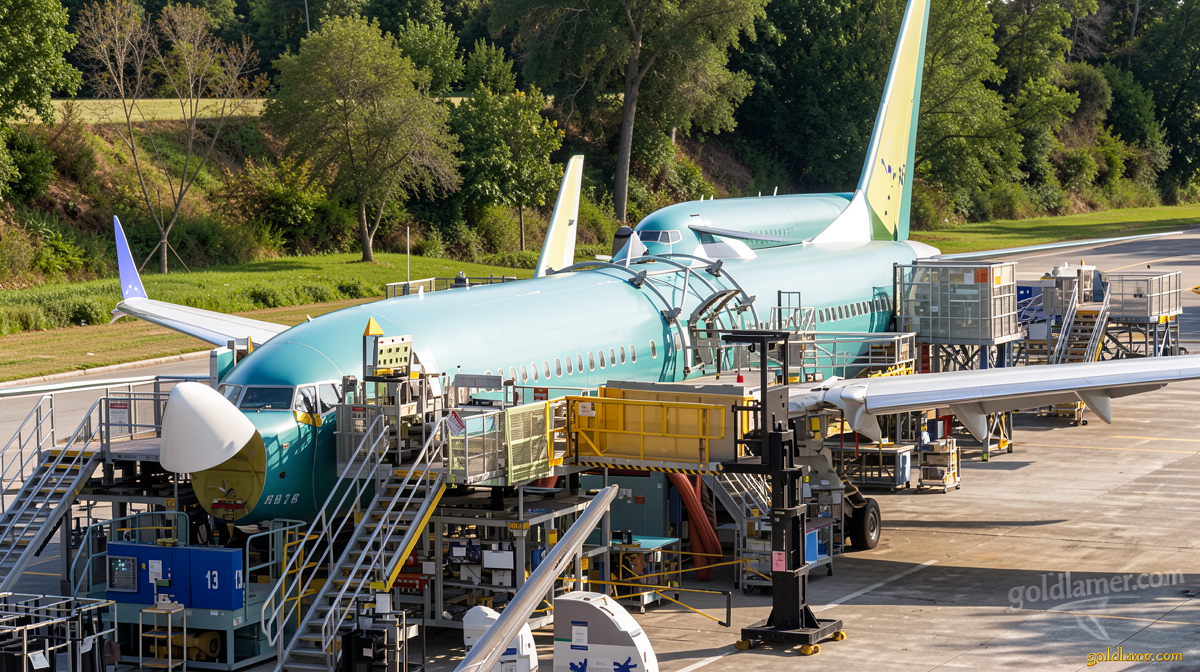
Goldlaner.com – The Federal Aviation Administration has issued a comprehensive directive requiring airlines to examine hundreds of Boeing 737 Max aircraft for structural cracks that could potentially compromise flight safety. This new airworthiness order targets an estimated 471 commercial jets registered in the United States, encompassing the Max 8, Max 9, and Max 8-200 variants currently operating across domestic and international routes.
Regulatory officials identified the problematic areas within a structural reinforcement panel positioned near the forward service door on the aircraft’s right side, adjacent to the front galley compartment. While the cracks have not been detected across the entire fleet, the precautionary measure ensures that any developing fractures are caught before they escalate into serious structural concerns during flight operations.
Operational Impact and Inspection Timeline
Airlines receiving the directive must implement inspection protocols tailored to each aircraft’s specific usage patterns. The FAA emphasized that carriers should repair any identified cracking before returning affected planes to regular service. Importantly, the regulator did not mandate an immediate grounding of the fleet, recognizing that the prescribed inspection intervals offer multiple opportunities to identify and address cracks before they undermine the airplane’s structural integrity.
The new requirements become effective on September 10, giving airlines sufficient time to coordinate scheduling and allocate resources for the comprehensive examination process. This measured approach allows carriers to maintain flight operations while ensuring thorough safety assessments are completed across the affected fleet.
Boeing’s Engineering Response
Boeing has undertaken a detailed engineering analysis to identify the root causes behind the structural cracking phenomenon. The manufacturer confirmed in a public statement that it is actively developing engineering modifications designed to prevent similar issues from occurring in future aircraft production and service cycles.
“This issue has not been observed on the 737 MAX fleet, but Boeing extended the inspections to 737 MAX airplanes as the model shares a similar design and build process,” the company said in a statement. “We support both directives and continue to support our airline customers.”
The manufacturer’s proactive extension of inspection requirements to the MAX lineup demonstrates recognition of shared design characteristics between different 737 generations, even though the specific cracking pattern has not been documented in the MAX series itself.
Historical Context and Broader Industry Concerns
This regulatory action represents the latest in a series of structural challenges facing Boeing’s commercial aircraft portfolio. In 2019, the aviation regulator previously ordered inspections for certain 737-700, 737-800, and 737-900 models after discovering cracks in the critical component connecting the fuselage to the wings. That earlier incident prompted significant operational adjustments across multiple airlines operating those specific variants.
Adding to the regulatory scrutiny, the FAA recently proposed an additional airworthiness directive targeting 453 Boeing 737 Max jets. This separate proposal would require carriers to verify proper installation of seat assemblies across the fleet, addressing potential manufacturing or assembly inconsistencies that could affect passenger safety and comfort.
Boeing has faced heightened examination since January 2024, when a door plug unexpectedly detached from an Alaska Airlines aircraft during flight. The National Transportation Safety Board investigation revealed that four bolts designed to secure the door plug were absent when the plane was delivered to the carrier in October 2023. This manufacturing oversight resulted in extensive fleet-wide inspections and reinforced the importance of rigorous quality control procedures throughout the production and delivery process.
Implications for Airlines and Passengers
The combined effect of these regulatory directives means airlines must balance operational efficiency with comprehensive safety verification. Inspection schedules will vary based on individual aircraft utilization rates, with heavily flown planes potentially requiring more frequent examinations. The financial implications include both direct inspection costs and potential schedule adjustments while repairs are completed.
For passengers, the situation represents a precautionary rather than reactive safety measure. The FAA’s decision to avoid grounding the fleet suggests confidence that the current inspection framework provides adequate protection against structural failures. Airlines can continue operations while implementing the required verification procedures, minimizing disruption to travel plans.
The engineering changes Boeing is developing will likely influence future production standards and maintenance protocols for the 737 Max series. These modifications could extend beyond immediate crack prevention to address broader structural design considerations that emerged from the current investigation. Industry analysts expect the findings to inform not only Boeing’s approach but also regulatory expectations for commercial aircraft manufacturing and ongoing service requirements.
Related Reading
Frequently Asked Questions
What is FAA orders inspection of hundreds of 737?
FAA orders inspection of hundreds of 737 is the main topic of this guide. The article explains the context, practical details, and next steps readers should understand.
Why does FAA orders inspection of hundreds of 737 matter?
FAA orders inspection of hundreds of 737 matters because readers are looking for a useful answer, not just a short summary. Good content should match search intent and help them decide what to do next.