Camp Mystic in Texas files for bankruptcy after catastrophic floods killed 28 people

Family-Owned Camp Mystic Files for Bankruptcy After Devastating Floods
Camp Mystic in Texas files for bankruptcy – Less than a year after a series of catastrophic floods claimed the lives of 28 individuals, including 25 girls and two teenage counselors, Camp Mystic in Texas has officially filed for Chapter 11 bankruptcy reorganization. The decision was announced on Wednesday, marking a significant turning point for the long-standing family-operated camp located along the Guadalupe River. With debts surpassing $10 million, the camp’s financial situation has reached a critical juncture, forcing the owners to seek restructuring amid ongoing legal challenges and public scrutiny.
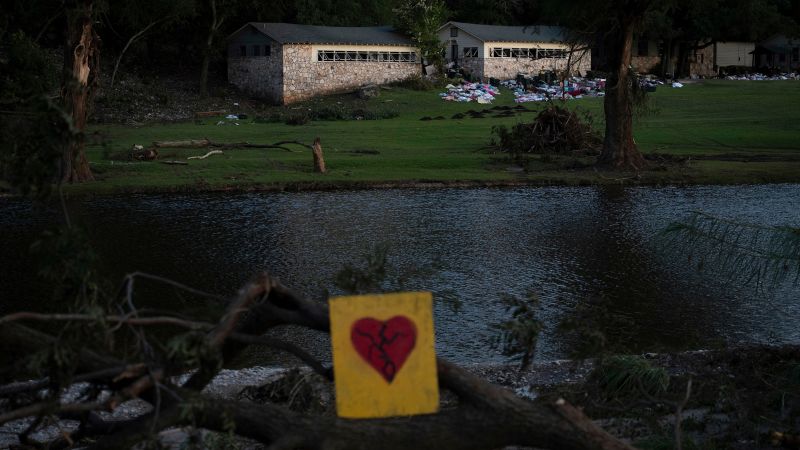
The disaster that unfolded on July 4, 2025, left a trail of destruction across a several-mile stretch of the Guadalupe River, resulting in at least 136 fatalities. While the camp itself was responsible for the deaths of 28 people, the broader impact of the floods raised urgent questions about safety protocols and emergency preparedness. The incident not only devastated the camp’s operations but also disrupted the lives of families who had long relied on its services. For decades, Camp Mystic had served as a cherished retreat for girls, offering a mix of religious instruction, outdoor activities, and community bonding, all under the stewardship of the Eastland family.
Richard Eastland, the camp’s owner, was among the victims, his passing adding a personal layer to the tragedy. The Eastlands had operated the facility for three generations, with their legacy rooted in the camp’s commitment to faith-based education and outdoor exploration. Yet, the floodwaters that overwhelmed the site on July 4 exposed vulnerabilities in their management practices. Families of the deceased filed a lawsuit in November 2025, accusing the camp operators of negligence for failing to implement adequate measures as life-threatening floodwaters approached. The legal battle intensified as the community demanded accountability for the preventable loss of life.
“We believed the camp was safe, but the flood came faster than anyone could predict,” said one family member in a statement. “It’s heartbreaking to see the place we loved so much become a symbol of tragedy.”
According to the bankruptcy filing submitted to the U.S. Bankruptcy Court in Houston, the camp’s assets are estimated to be between $100,001 and $500,000. This stark contrast between liabilities and assets underscores the severity of the financial crisis. The filing also highlights the challenges faced by the Eastland family, who had no prior experience with bankruptcy proceedings. The camp’s debt, primarily tied to damages from the floods and legal expenses, has left them with few options for recovery.
Following the disaster, the camp’s management initially considered reopening for the summer season. However, this plan was abruptly suspended weeks before the announcement of bankruptcy, driven by backlash from victims’ families and lawmakers. Critics argued that the camp’s decision to welcome girls back while lawsuits and investigations were still in progress was both premature and insensitive. The move sparked renewed outrage, with some accusing the operators of prioritizing financial recovery over addressing the full scope of the tragedy.
The Guadalupe River, which has historically been a source of recreation for the camp, became a deadly force during the floods. Heavy rainfall, exacerbated by climate patterns, led to rapid water accumulation, overwhelming the camp’s infrastructure. Survivors and rescue workers described scenes of chaos, with children and counselors stranded in their cabins as floodwaters surged through the grounds. The lack of a clear evacuation plan or timely warnings contributed to the high casualty count, prompting calls for stricter safety regulations in similar facilities.
In the wake of the disaster, the Eastland family faced a difficult decision. While they had spent generations nurturing the camp’s traditions, the financial and emotional toll of the floods forced them to confront the reality of their situation. The bankruptcy filing, which includes a detailed account of the camp’s financial status, signals their intent to reorganize operations and potentially regain stability. However, it also raises concerns about the future of the camp, which had been a cornerstone of the local community for over a century.
As the legal process unfolds, the focus remains on determining whether the camp’s management could have prevented the disaster. Investigators are examining the camp’s emergency response, communication systems, and structural safeguards. Meanwhile, the families of the victims continue to seek justice, with their lawsuit citing failures in risk assessment and preparation. The case has drawn attention from environmental experts, who are analyzing the role of climate change in intensifying the flood’s impact.
Despite the setback, some members of the Eastland family have expressed hope that the bankruptcy process will provide a path forward. “We’re not giving up on Camp Mystic,” said a family spokesperson. “This is an opportunity to rebuild and ensure that no one else suffers the same fate.” The camp’s closure has also prompted discussions about the broader implications for family-run businesses in flood-prone regions. With the financial burden of the disaster weighing heavily, the Eastlands now face the daunting task of balancing their legacy with the realities of bankruptcy.
As the community grapples with the aftermath, the question of how the disaster unfolded continues to dominate conversations. The Guadalupe River, once a symbol of natural beauty, became a stark reminder of nature’s power and the importance of preparedness. For the families affected, the tragedy has left an indelible mark, with many still processing the loss of loved ones. Meanwhile, Camp Mystic’s bankruptcy filing serves as a sobering chapter in its history, setting the stage for a new era of challenges and possibilities.
Amid the legal and financial upheaval, efforts to support the victims’ families and affected residents are underway. Charities and local organizations have launched fundraising campaigns to assist with recovery, while officials are working to secure additional resources for the region. The camp’s closure has also prompted a reevaluation of safety standards in similar facilities, with state lawmakers proposing new legislation to prevent future disasters. As the Eastlands navigate this complex landscape, their story serves as a cautionary tale of the intersection between tradition, responsibility, and the unpredictable forces of nature.