
NOAA’s Hurricane Hunter fleet is aging. Senators want to make it bigger and newer
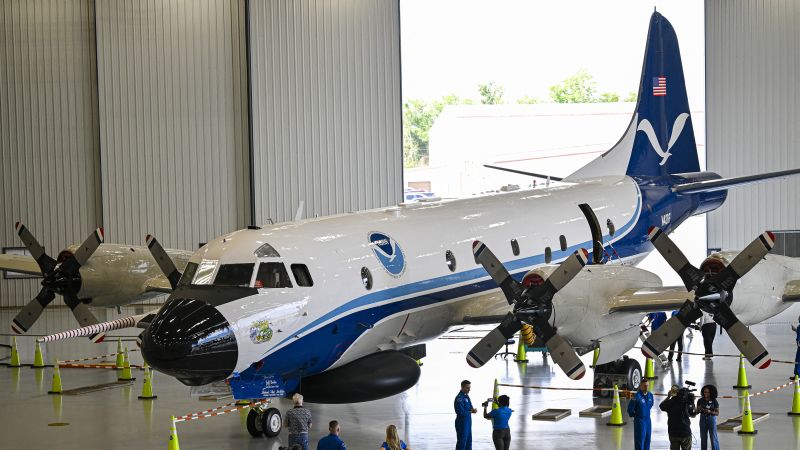
NOAA’s Hurricane Hunter Fleet Faces Modernization Push as Senators Seek Expansion
NOAA s Hurricane Hunter fleet is aging – A group of senators from both major parties is advocating for a significant expansion of NOAA’s aging Hurricane Hunter fleet. These specialized aircraft, known for their daring missions into hurricanes and tropical systems, are central to improving weather forecasts. The proposed legislation, set to be unveiled on Wednesday, aims to address the growing need for updated technology by allocating $2.5 billion to acquire new planes and an additional $45 million annually for hiring specialized pilots. This initiative is intended to solidify NOAA’s role in hurricane research and prevent its responsibilities from being shifted to another organization, such as the U.S. Air Force.
The Core of the Proposal: Funding and Legal Safeguards
The bill, which has been shared exclusively with CNN, would formally enshrine NOAA’s hurricane reconnaissance operations into law. This move is seen as critical, given the agency’s vulnerability to political shifts in Washington. With a small budget and limited resources, NOAA relies heavily on its fleet to gather essential data, making it a prime target for reallocation. The new funding would not only replenish the aging aircraft but also ensure the agency can maintain a robust presence in extreme weather events.
The proposal includes provisions for acquiring cutting-edge equipment, such as tail-mounted Doppler radars. These radars are designed to enhance the precision of hurricane forecasts and improve projections for atmospheric rivers—powerful weather systems that deliver heavy rainfall and snowfall to regions like the West Coast. The data collected from these missions is vital for predictive models, which have been shown to significantly boost forecast accuracy, particularly during periods of rapid hurricane intensification.
Current Fleet Struggles: Mechanical Issues and Operational Challenges
NOAA currently operates three aircraft: two vintage WP-3D Orion turboprop planes, affectionately named “Kermit” and “Miss Piggy,” and a heavily modified Gulfstream jet called “Gonzo.” The Orions are expected to reach the end of their service life by 2030, leaving the agency reliant on a single plane for critical hurricane data. Recent hurricane seasons have highlighted the fragility of this setup, with scheduled reconnaissance missions often canceled at the last minute due to mechanical failures.
While the U.S. Air Force also conducts hurricane missions, its fleet of C-130J aircraft lacks the advanced research instruments that NOAA’s planes carry. This difference is crucial, as NOAA’s missions provide detailed 3D visualizations of storms, enabling more accurate intensity and path predictions. The proposed expansion seeks to eliminate single points of failure by ensuring backup aircraft are available for each mission, a measure that could stabilize operations during high-stakes weather events.
Political Collaboration and Regional Priorities
The bill’s introduction marks a rare instance of bipartisan agreement. Senate Commerce, Science and Transportation Committee Chairman Ted Cruz, a Republican from Texas, and Ranking Member Maria Cantwell, a Democrat from Washington, are leading the effort. Their coalition includes four additional senators from coastal states, emphasizing the regional impact of the legislation. The Commerce Committee’s oversight of NOAA makes this a strategic move, aligning the agency’s goals with congressional priorities.
Cantwell’s home state has experienced severe flooding from atmospheric rivers in recent years. In a statement, she highlighted the growing reliance on accurate forecasts to mitigate disaster risks. “As atmospheric rivers become more frequent and severe across the Pacific Northwest, our communities increasingly depend on reliable predictions to prepare for flooding and extreme weather,” Cantwell said. She also pointed out that much of NOAA’s current fleet is over five decades old, underscoring the urgency for modernization.
The legislation also includes language to prevent the transition of Hurricane Hunter operations to a drone-based system. While drones could offer cost-effective solutions, concerns persist about their ability to gather the same level of detailed, forecast-relevant data as manned aircraft. This clause ensures that NOAA retains control over its fleet, preserving the human expertise and adaptability that are vital for complex missions.
The Road Ahead: From Authorization to Implementation
NOAA has the authority to operate up to six Hurricane Hunter planes, double the current number in service. However, Congress has yet to fund this expansion, leaving the agency with a limited capacity. The new bill would not only authorize the purchase of at least six planes but also allow for a maximum of nine. This flexibility could help NOAA scale its operations to meet rising demands, especially as climate change intensifies weather patterns.
Currently, NOAA is awaiting the delivery of a modern replacement for its Gulfstream jet and plans to introduce one new WP-3D Orion aircraft. These upgrades are expected to alleviate some of the pressures on the existing fleet, which has been operating at near capacity for years. The additional funding would also support training programs for pilots, ensuring that the agency can maintain a high level of operational readiness.
As the climate continues to shift, the need for accurate and timely weather data has never been greater. The aging fleet’s limitations are becoming more apparent, with frequent breakdowns disrupting critical missions. Scientists argue that without modernization, forecast accuracy could decline, jeopardizing public safety and economic stability. The proposed expansion represents a proactive step to address these challenges, blending technological innovation with political collaboration.
While the bill’s details are still under review, its introduction signals a growing consensus on the importance of NOAA’s work. By codifying the agency’s role and securing long-term funding, the legislation aims to safeguard its ability to respond to extreme weather events. This effort reflects a broader recognition of the interconnected challenges posed by climate change, from rising sea levels to more intense storms and floods.
For the coastal states and regions most affected by these phenomena, the success of the bill could mean the difference between preparedness and catastrophe. The senators’ push for expansion highlights the critical need to invest in infrastructure that supports scientific research and disaster mitigation. As the proposal moves forward, it will face scrutiny from lawmakers, agencies, and the public, all of whom recognize the stakes involved in modernizing NOAA’s Hurricane Hunter fleet.
