Johnson gambles on ambitious summer agenda as GOP anxiety rises ahead of midterms

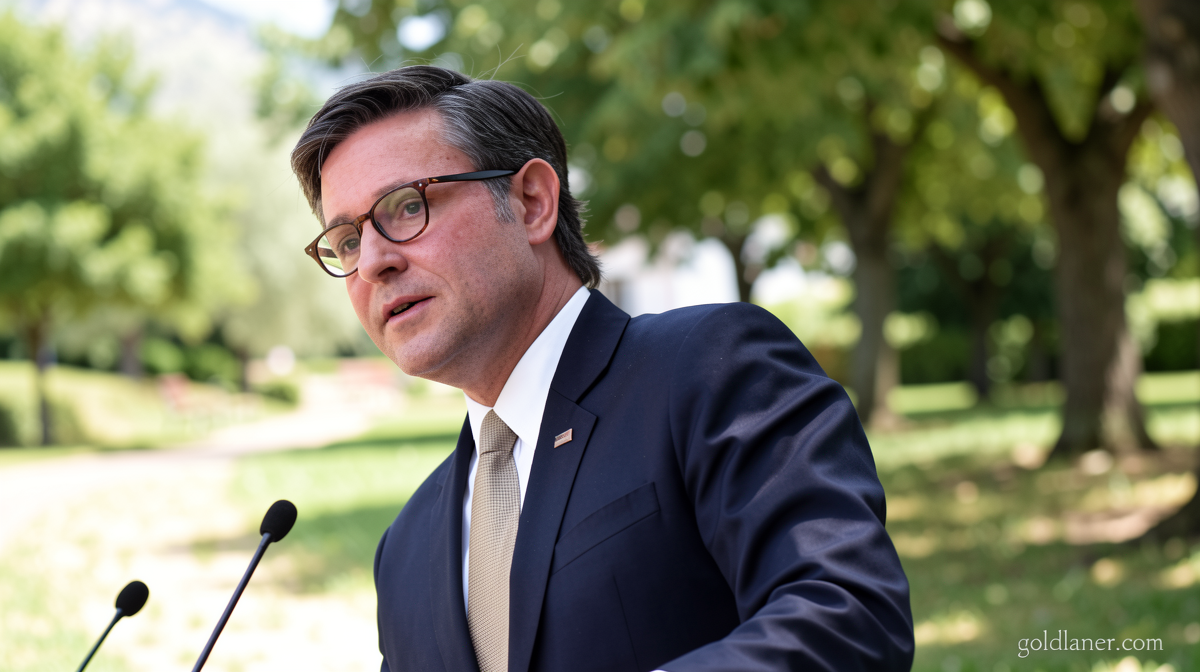
Speaker Johnson Bets Big on Summer Legislative Push Amid Growing GOP Concerns
Johnson gambles on ambitious summer agenda – Republican lawmakers made their way back to the nation’s capital on Monday evening carrying a noticeably somber outlook regarding their party’s trajectory. Several pressing issues have contributed to this mood: mounting anxiety about potential electoral losses in November, an ongoing conflict in the Middle East without clear resolution, and grief following the unexpected passing of Senator Lindsey Graham. With President Donald Trump directing his focus toward Capitol Hill for what may represent the GOP’s concluding legislative effort before midterm elections, House Speaker Mike Johnson is working urgently to turn around the party’s standing.
A Comprehensive Legislative Package Takes Shape
According to several individuals familiar with the speaker’s strategy, Johnson is advancing a substantial legislative initiative that encompasses Pentagon appropriations, measures to reduce government waste, and a fresh grant initiative designed to facilitate electoral reform. While specifics remain limited, this legislation—referred to as Trump’s agenda 3.0—represents a last-ditch effort to reconcile competing factions within the Republican Party following a period marked by internal discord. Success could potentially salvage a struggling congressional GOP and provide legislators with renewed political momentum before their August break for campaigning.
“This really is the last opportunity,” said Rep. August Pfluger of Texas, who has spent months pushing for a third Trump agenda bill. “I think the Republican voters that gave a mandate to President Trump want to see us continue to work to our very last breath of this session.”
Skepticism and Challenges Mount
Many Republicans harbor doubts about the initiative’s prospects, remembering the difficulties encountered while passing the initial two agenda packages, including the “One Big Beautiful Bill” alongside an immigration financing measure. Senate Majority Leader John Thune remained noncommittal when questioned about the speaker’s proposals and cautioned House members to account for the Senate’s constraints—otherwise facing the possibility of a significant legislative defeat.
“To get that done and get the requisite number of votes in both the House and Senate will be a heavy lift,” Thune said. “I’ve said all along, this one will be really challenging, but we’ll see what they come up with.”
Time continues to narrow, yet Johnson and Republican leadership remain determined to align their conference. The speaker has reportedly secured a crucial agreement with one of his most prominent opponents, Rep. Anna Paulina Luna of Florida, who recently contributed to delaying House proceedings. Similar to other conservative hardliners, Luna had withheld support for bringing Republican legislation to the floor until Johnson guaranteed consideration of Trump’s electoral reform proposal, known as the “SAVE America Act.” Republican leadership this week pledged to include this legislation within forthcoming spending measures—something Luna indicated Monday evening she might support.
Broader Legislative Hurdles Ahead
Republican leaders hope this breakthrough will enable Johnson to address another internal dispute concerning border security legislation, which has divided conservative hardliners from moderate Republicans. The Senate faces considerable obstacles as well, with several Republicans who lost their primary elections creating complications for chamber operations, including the confirmation process for Trump’s nominees. These challenges have intensified following Graham’s sudden death and the extended absence of Senator Mitch McConnell due to health concerns.
Spending negotiations within the Senate have progressed so slowly that Republicans are publicly expressing concerns about another government shutdown occurring in September. Some members have even proposed incorporating the annual appropriations process into Trump’s third domestic policy initiative. Meanwhile, senior Republicans have encountered difficulties reaching consensus on fundamental governance matters. Trump declined to sign Congress’s bipartisan housing legislation, which his own party’s leadership celebrated as a significant achievement, while Thune and Johnson engaged in public disagreements regarding essential funding strategies.
“We’ve passed Elizabeth Warren’s housing bill, and it took us five months to fund ICE and CBP,” one senior Hill GOP aide lamented, summing up the party’s sullenness. “Everybody’s got their fingers in their ears.”
Despite these obstacles, Johnson and his supporters maintain that failing to pursue the next major legislative package carries risks—particularly regarding potential electoral consequences in November. The speaker, along with his House campaigns chief and President Trump, convened Monday afternoon for their most recent strategic discussion concerning the party’s November outlook. Prior to lawmakers returning to Washington, Johnson and House Budget Committee Chair Jodey Arrington participated in a two-day strategy meeting at Camp David alongside White House representatives, focusing on the third agenda bill, according to multiple Republican sources. Johnson revealed the fundamental elements of his proposals in a message posted on X, arriving just moments before briefing his leadership team during their weekly gathering.