
Progressives look to Colorado as next test of a rising movement
Progressives look to Colorado as next test of a rising movement
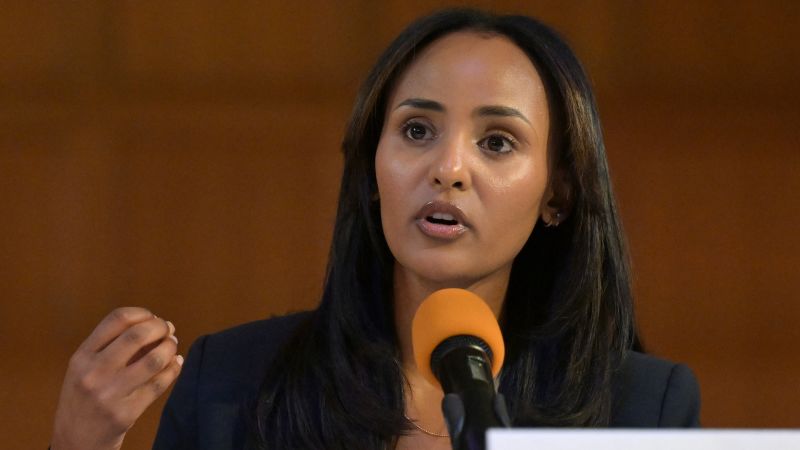
Progressives look to Colorado as next – Following a series of unexpected wins in New York last week, the expanding progressive movement has turned its attention to Colorado, aiming to test its influence in a pivotal congressional race. At the heart of this shift is Melat Kiros, a 29-year-old democratic socialist and legal professional, who has emerged as the key challenger in the 1st Congressional District. This district, long considered a safe seat for the Democratic Party in Denver, now stands as a critical battleground for the movement’s ambitions. Kiros and her allies believe voters are primed for change, positioning the race as a potential turning point for progressive politics in the region.
The new power broker: How Zohran Mamdani muscled NYC’s Democratic establishment
Zohran Mamdani, the New York City Mayor, has become a central figure in the progressive movement, leveraging his endorsements to reshape the Democratic Party’s landscape. His support for candidates in the recent House races contributed to a wave of upsets, emboldening activists who now see momentum in their cause. However, some political analysts caution against overestimating the impact of these victories in Colorado. Ted Trimpa, a veteran Democratic strategist with deep ties to the state’s political infrastructure, warned that Denver’s dynamics differ from New York City’s. “Mamdani is not the messiah for Democrats,” Trimpa said. “And if Democrats think he is, they’re wandering around the wrong desert.” His comments highlight the growing divide between the party’s leadership and its grassroots wing, which is pushing for more radical change.
Colorado’s political terrain presents unique challenges for progressives. With roughly half of its voters unaffiliated, the state has historically favored moderate candidates willing to balance party loyalty with broader appeal. Democrats hold both Senate seats and the governorship, yet the party’s candidates often adopt pragmatic stances to secure victory. This trend has come under scrutiny as the progressive movement gains traction. Last month, Governor Jared Polis faced backlash from the state Democratic Party for granting clemency to Tina Peters, an election denier. Similarly, the two senators—both running for reelection and one vying for governor—have drawn criticism for their support of members of Donald Trump’s Cabinet in the past.
A contest of values and strategies
The 1st Congressional District race has become a microcosm of the broader ideological battle shaping the Democratic Party. Kiros, a first-time candidate, has positioned herself as a bold voice for working people, contrasting with her opponent, 15-term Representative Diana DeGette. DeGette, a seasoned politician, has long been a Democratic stalwart, but her campaign now faces its toughest challenge in years. Both candidates sought ballot access through the party-run caucus process, requiring 30% support from Democratic activists. Kiros narrowly secured qualification, while DeGette barely edged ahead, prompting a surge in her campaign efforts.
“This is probably the strongest challenge she’s ever faced, but I also think she’s taking it as seriously as it needs to be,” said a Colorado Democratic strategist who requested anonymity. The strategist’s assessment reflects the intensity of the race, which has drawn attention from across the nation. Meanwhile, third-party candidate Wanda James, a University of Colorado Regent, qualified for the ballot through voter signatures, adding another layer of complexity to the primary.
The race has also intensified discussions around Kiros’ stance on U.S. foreign policy, particularly her views on the relationship with Israel. Her vocal opposition to the Trump administration has made her a target for critics, but it has also galvanized supporters. Kiros was recently fired from her law firm after refusing to remove an open letter she authored, which argued against conflating student protests for Israel’s elimination with antisemitism. The letter, published in 2023, sparked a firestorm of debate, with some accusing her of downplaying the antisemitism in the protests. However, Kiros defended her position, emphasizing the importance of distinguishing between criticism of Israeli policies and hostility toward Jewish people.
Building momentum, paying it forward
Despite the challenges, the progressive movement is confident in its ability to influence the outcome. Members of Justice Democrats, an organization backing progressive candidates, quickly mobilized after the initial primary results. Within hours of Assemblymembers Claire Valdez and Darializa Avila Chevalier securing projected wins in New York, their fellow candidates in the Colorado race began strategizing to support Kiros. These efforts included fundraising drives, phone banking campaigns, and in-person outreach. “Every race this cycle has added more and more momentum to the next,” said Usamah Andrabi, a spokesperson for Justice Democrats. “What we’ve been really proud of as well is how much every candidate of ours who wins goes on and tries to pay it forward to the next.”
Kiros’ campaign has focused on redefining the role of Congress, emphasizing policies that prioritize labor rights, climate action, and social equity. Her platform aligns with the broader democratic socialist agenda, which seeks to challenge the status quo and advocate for systemic change. DeGette, meanwhile, has framed her re-election bid as a defense of pragmatic governance. “I’m running hard and talking to voters every day about what matters to families here, not national narratives playing out in other states,” she stated in a recent CNN interview. The district’s voters, however, may be more receptive to the movement’s message as they evaluate candidates who represent a shift in priorities.
While the primary is a critical step, the general election will determine the movement’s long-term success. Kiros’ campaign has already begun building a network of volunteers and donors, aiming to consolidate support ahead of the November vote. Her challenge to DeGette is not just a personal contest but a symbolic battle between traditional Democratic leadership and the rising wave of progressive voices. The outcome could signal whether the party is willing to embrace new ideas or risk losing ground to more radical forces.
From New York to Seattle to Washington, D.C., the democratic socialist movement is gaining momentum, with Colorado serving as a crucial test. The state’s political landscape, marked by a mix of moderate and progressive voters, offers both opportunities and obstacles. As Kiros and her allies prepare to challenge the status quo, the question remains: will voters in Denver embrace the change, or will the Democratic establishment retain its grip on power? The answer could shape the future of progressive politics across the nation.
Broader implications for the Democratic Party
The 1st District race is part of a larger trend challenging the Democratic Party’s traditional approach. In recent years, the party has struggled to maintain cohesion between its progressive wing and establishment members, a divide that has become more pronounced in the wake of New York’s primary victories. Activists argue that the movement’s success in the city is a sign of shifting political tides, but Trimpa and others caution that Denver’s electorate may not yet be ready for such a radical transformation.
“The movement is growing, but it’s still early days,” Trimpa noted. “Democrats need to recognize that while progress is happening, it’s not a guaranteed path to victory.” The strategist’s words underscore the delicate balance between embracing change and maintaining the party’s core base. For Kiros, the challenge is not only to win the district but to prove that democratic socialist values can resonate with a diverse and often politically split electorate.
As the primary approaches, the race has become a focal point for national observers. The movement’s ability to translate local victories into broader influence will depend on its capacity to address both policy and identity issues. Kiros’ campaign, with its emphasis on social justice and economic equity, aims to tap into the frustrations of voters who feel disconnected from the party’s leadership. Meanwhile, DeGette’s experience and institutional ties offer her a counterbalance, highlighting the tension between established politicians and the new generation of progressive leaders.
Ultimately, the 1st District race is more than a contest for a single seat. It represents a critical juncture in the Democratic Party’s evolution, testing whether the movement can sustain its momentum and redefine the party’s future. With both candidates vying for the allegiance of voters in a state that has often defied national trends, the outcome will have far-reaching implications for the political landscape ahead.
