
As SEC football media days begin, the specter of recent Big Ten dominance looms
SEC Football Media Days: Conference Faces New Reality
Goldlaner.com – As SEC football media days begin in Tampa, the conference confronts uncomfortable questions about its standing. Brent Venables, Oklahoma’s head coach, spoke first at the Southeastern Conference’s annual gathering, setting a tone that balanced tradition with uncertainty. The SEC has long positioned itself as college football’s premier conference, but recent results suggest the landscape is shifting. The conference room’s Wi-Fi password—2026IJMM, meaning “It Just Means More”—captures the spirit of a league trying to maintain its identity amid changing fortunes.
While the event maintains its traditional format of press conferences and media availability, the atmosphere carries a different weight. Fans in team gear gathered outside the SEC Network studio, eager for updates on a season that promises both excitement and scrutiny. The official opener remains weeks away, yet the conversation has already turned toward whether the SEC’s dominance is waning or merely evolving.
Sankey Emphasizes Strengths While Acknowledging Gaps
Commissioner Greg Sankey opened the proceedings by highlighting the conference’s continued market position.
“Southeastern Conference football remains the second most-watched sports property in the United States, trailing only the National Football League,”
he declared. Sankey pointed to the conference’s average attendance of 80,000 fans per game as evidence of its enduring appeal. He also celebrated 13 national championships earned during the previous academic year, a record that surpassed the previous benchmark of 10 titles.
Yet one crucial detail warranted attention. For the third consecutive year, none of those championships came from football, extending the longest such drought since 1999 through 2002. The SEC’s broader success in other sports does not fully compensate for football’s recent struggles.
Big Ten’s Rise Reshapes the Landscape
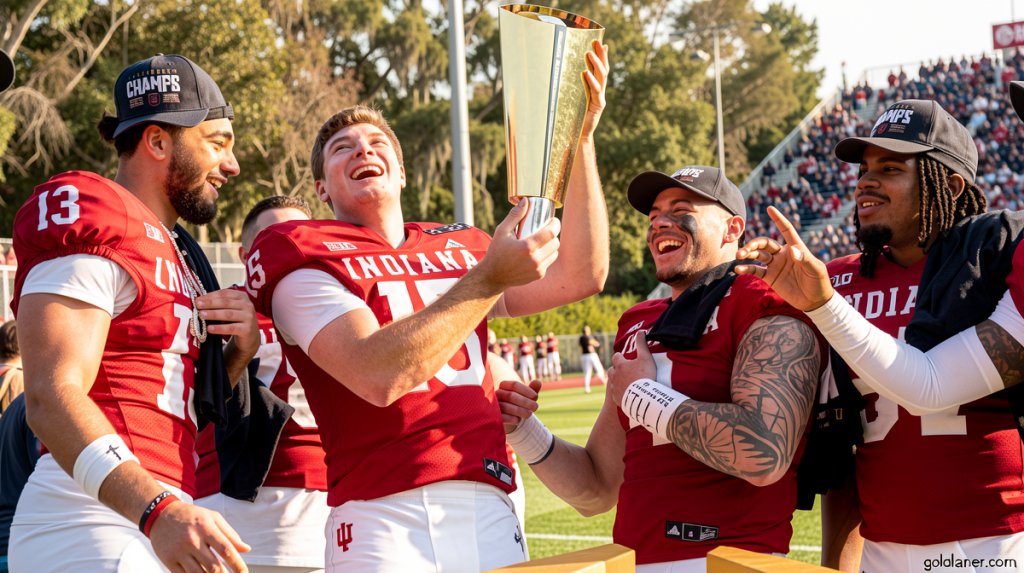
The Big Ten Conference has emerged as a serious contender, bolstered by a lucrative media rights deal and expanded geographic footprint. Three different programs have captured the last three national titles, demonstrating remarkable competitive balance. Head-to-head matchups have favored the Big Ten as well, with a perfect 4-0 record against SEC opponents over the past three seasons.
Financial comparisons further illustrate the shift. The SEC surpassed one billion dollars in revenue for the first time last year, but the Big Ten responded with $1.74 billion. Conference leaders have also mobilized powerful alumni networks. Mark Cuban of Indiana, Larry Ellison of Michigan, and Phil Knight from Oregon have all demonstrated substantial willingness to invest in their institutions’ athletic programs.
Kevin Warren, who recently left the Big Ten for the Chicago Bears, secured not only the critical television agreement but also orchestrated the Westward Ho expansion that transformed the conference’s reach. Oregon’s athletic achievements—securing a College Football Playoff quarterfinal appearance followed by a semifinal position within two seasons—have contributed to this growing foundation.
As SEC football media days continue, Sankey addressed potential Congressional intervention in collegiate athletics and emphasized the necessity for greater transparency within the NIL landscape. When questioned about whether genuine discussions regarding leaving the NCAA framework had occurred, he responded directly.
“So they’re real. People have talked about that. They’ve opined about the frustrations that bring them to the point of saying we should look at something different. I do not believe that is a leverage point. I think that’s just honest communication.”
The honest assessment reveals that the SEC currently possesses less leverage than it once did. The most pressing concern remains whether this represents merely a temporary setback or a more fundamental shift in collegiate football’s hierarchy. Without excessive speculation, the conference must navigate these challenges while maintaining its competitive edge.
