The Trump admin paid a French company $1 billion to not build offshore wind farms. Blue states are suing

Trump Admin Paid French Company $1 Billion to Halt Offshore Wind Farms
The Trump admin paid a French – Seven blue states have filed a lawsuit against the Trump administration, alleging it illegally paid a French energy firm $1 billion to abandon offshore wind projects in U.S. waters. The agreement, reached in March, involved compensating TotalEnergies for leases acquired under the Biden administration, effectively halting development before it could begin. This move, critics argue, prioritized fossil fuel interests over renewable energy expansion, undermining efforts to combat climate change and transition to cleaner power sources.
Financial Settlement and Political Motives
The $1 billion payment, which included $795 million for a New York project and $133 million for a North Carolina site, was framed as a way to secure TotalEnergies’ commitment to build two offshore wind farms. However, the blue states claim the deal was a calculated strategy to bypass legal challenges. By offering financial incentives, the Trump administration aimed to prevent these projects from moving forward, aligning with its broader stance against renewable energy initiatives.
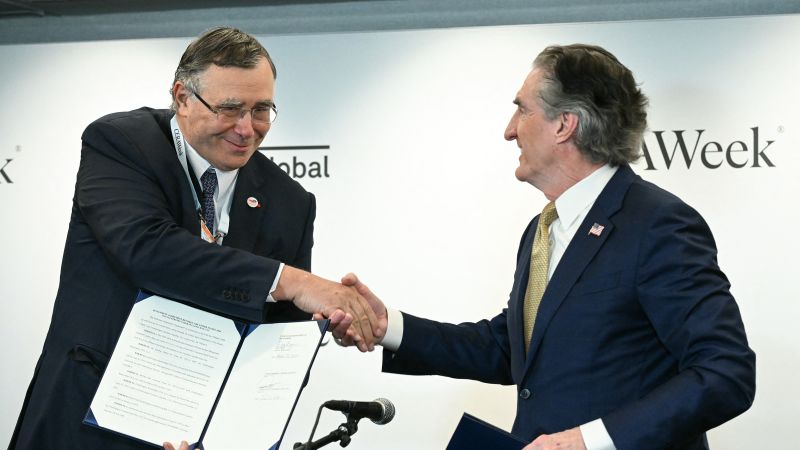
TotalEnergies’ CEO Patrick Pouyanné justified the arrangement as a shift in focus to a new LNG facility in Texas, which would support U.S. energy exports to Europe. This project, he argued, would bolster energy independence and create jobs. Yet, the states argue that the settlement was a means to expedite fossil fuel dominance, rather than a genuine partnership for renewable energy growth.
Legal Controversy and Procedural Violations
The lawsuit contends that the Trump administration failed to follow proper procedures by not conducting a required hearing before the agreement. This hearing, states argue, was essential to evaluate the impact of lease cancellations on national security, environmental standards, and regional energy needs. Without it, the decision to pay TotalEnergies was criticized as hasty and politically motivated.
Additionally, the legal team highlighted a violation of the Judgment Fund Act, which mandates that payments must be made in settlement of an imminent lawsuit. The states assert that the March deal was not a legitimate resolution to existing disputes but a new tactic to delay offshore wind projects. This strategy, they claim, reflects a pattern of regulatory maneuvering to favor fossil fuels at the expense of clean energy.
Government Responses and Strategic Shifts
The U.S. Department of Justice remained silent on the lawsuit, while the Interior Department defended the settlements as voluntary agreements. Officials stated the payments had been reviewed and approved by legal teams, implying the process was valid. However, the states believe the argument hinges on the Biden administration’s lease negotiations, which were later reversed by the Trump team.
Interior Department spokespersons emphasized that the March decision to cancel leases was a direct response to the Biden era’s policies. This framing suggests the current lawsuit may serve as a test case to challenge the Trump administration’s approach to energy regulation, which has historically sought to obstruct offshore wind development through executive orders and regulatory changes.
Trump’s Record on Renewable Energy
President Donald Trump has long opposed offshore wind energy, labeling it as expensive and inefficient compared to fossil fuels. His administration implemented measures to slow the approval process for wind projects, often citing economic concerns and energy independence. When courts blocked some initiatives, the March settlement marked a new approach: instead of opposing projects after they were approved, the administration now aims to stop them before they start by offering financial incentives to energy companies.
The blue states’ legal action underscores a growing conflict between the Trump and Biden administrations on energy policy. While the settlement was designed to secure TotalEnergies’ support for LNG, the states argue it has stunted progress toward a sustainable energy future. The