White House Correspondents’ Association reschedules dinner after shooting incident

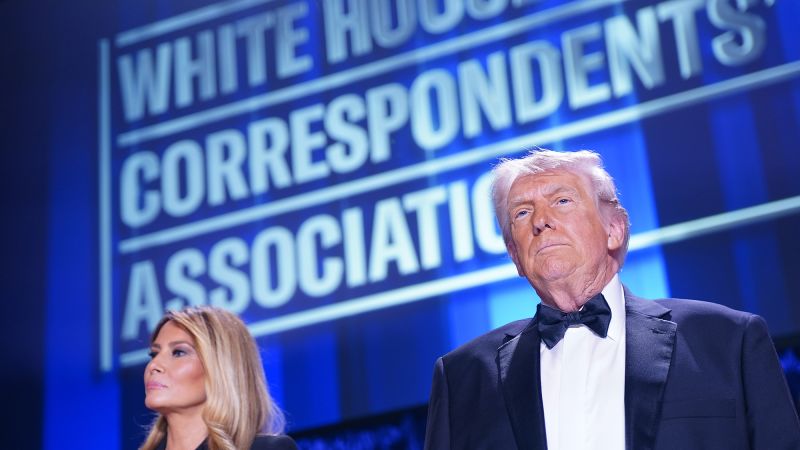
White House Correspondents’ Association Reschedules Dinner Amid Shooting
Annual Event Moved to July 24 for Safety
White House Correspondents Association reschedules dinner – The White House Correspondents’ Association has rescheduled its annual dinner to July 24, 2026, following a shooting incident that disrupted the original April date. This decision reflects the organization’s commitment to prioritizing safety amid heightened security concerns. The event will now take place at the Waldorf Astoria in Washington, DC, a venue previously known as the Trump International Hotel. This shift aims to create a secure environment for attendees, including prominent political figures and journalists, while maintaining the event’s traditional role as a platform for media and political dialogue.
The rescheduling comes after a gunman opened fire in a nearby hallway of the Washington Hilton during the April gathering, causing the dinner to be abruptly halted. Association president Weijia Jiang stated that the change was made with careful consideration and feedback from members. “This event is not only about celebration but also about safeguarding the voices of the press and the integrity of our nation’s political discourse,” she emphasized in a letter to participants. The new date allows for additional time to implement enhanced security protocols, ensuring that the atmosphere remains both safe and professional.
Security Upgrades and Attendee Support
In response to the April incident, the White House Correspondents’ Association has introduced significant security enhancements for the July event. These include stricter access controls, increased surveillance, and a revised security plan to mitigate risks. Jiang also announced that ticket holders who had already purchased passes for the rescheduled dinner will be reimbursed for any additional costs, as the association will cover the expenses for members. This move demonstrates the organization’s dedication to supporting its participants, even as it adapts to unforeseen challenges.
The association has further pledged to assist scholarship winners in attending the event, ensuring that financial barriers do not hinder their participation. Jiang highlighted that the July dinner will be a more intimate gathering, fostering closer engagement among attendees. While the event’s format has evolved, its core purpose—to provide a space for journalists and politicians to exchange ideas—remains unchanged. The rescheduling also allows for a more deliberate focus on the safety of all participants.
Details of the April Shooting and Its Impact
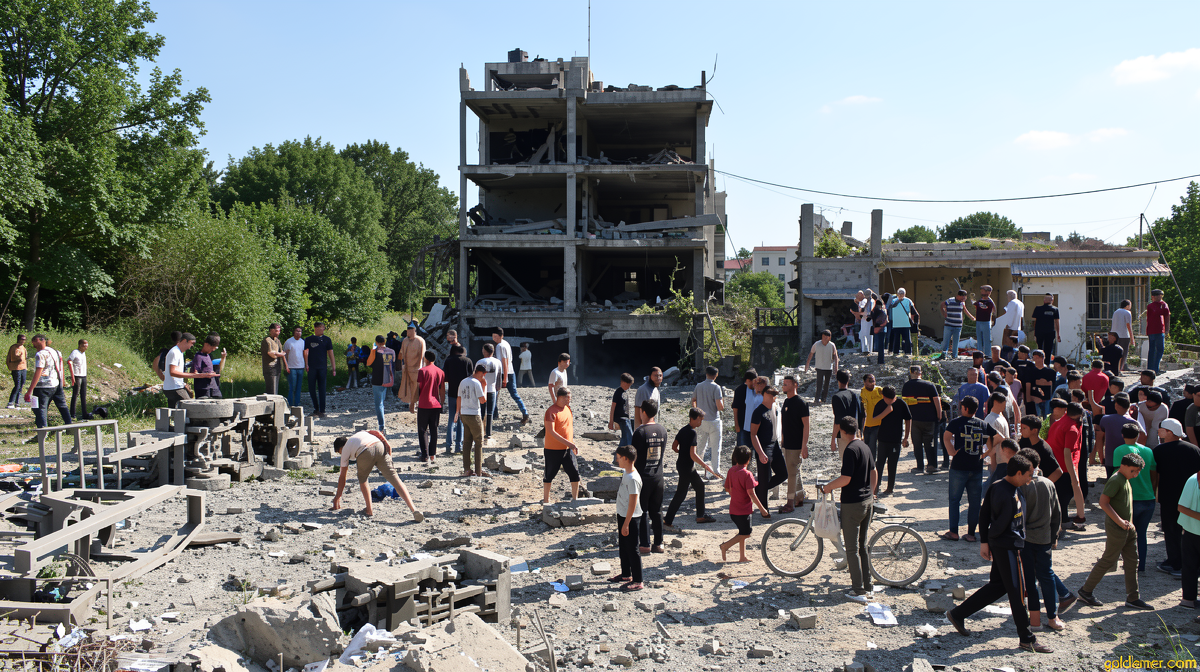
The shooting during the April dinner occurred just before the event began, causing widespread panic and forcing attendees to take cover. A gunman, armed with firearms and knives, targeted the venue, aiming to disrupt the proceedings and challenge the leadership. Trump, Vice President JD Vance, and several Cabinet members were quickly evacuated from the ballroom, underscoring the event’s importance as a gathering of power and influence. The incident has since sparked broader conversations about the safety of high-profile political events in Washington, D.C.
Although the shooting left many shaken, the White House Correspondents’ Association has maintained its focus on resilience and continuity. Jiang noted that the rescheduling was a strategic step to “reaffirm the strength of American institutions and the unyielding spirit of the free press.” The association’s members, including journalists and political figures, have expressed relief at the decision, though some remain cautious about the long-term effects of the incident on the event’s future. The rescheduled dinner is expected to take place in a more controlled setting, allowing for focused discussions and a return to normalcy.
Trump’s Response and Public Perception
“This is a very good thing in that we cannot allow lunatics to change our way of life, or even its scheduling,” President Donald Trump wrote on Truth Social, endorsing the decision to reschedule the dinner. He also praised the Waldorf Astoria as a “building and Ballroom that I built,” emphasizing his personal connection to the venue. Trump’s comments reflect his belief in the event’s ability to withstand disruptions and continue its role as a cornerstone of political communication.
Despite the incident, the White House Correspondents’ Dinner remains a key event on the political calendar. While the rescheduling has caused logistical adjustments, it also provides an opportunity to address security concerns proactively. Jiang has assured members that specific details about the programming and venue will be shared directly, promoting transparency. The association’s focus on safety, combined with its tradition of fostering open dialogue, positions the rescheduled dinner as a testament to the adaptability of American political culture.
As the event approaches, the White House Correspondents’ Association continues to balance the need for security with the desire to preserve the dinner’s historic significance. The July 24 gathering will serve as a platform for journalists to engage with policymakers, even in the wake of the April incident. With enhanced measures in place, the association aims to ensure that the dinner not only continues but also strengthens its role as a symbol of resilience and free speech in the nation’s capital.