Trump names controversial top housing official to be acting director of national intelligence

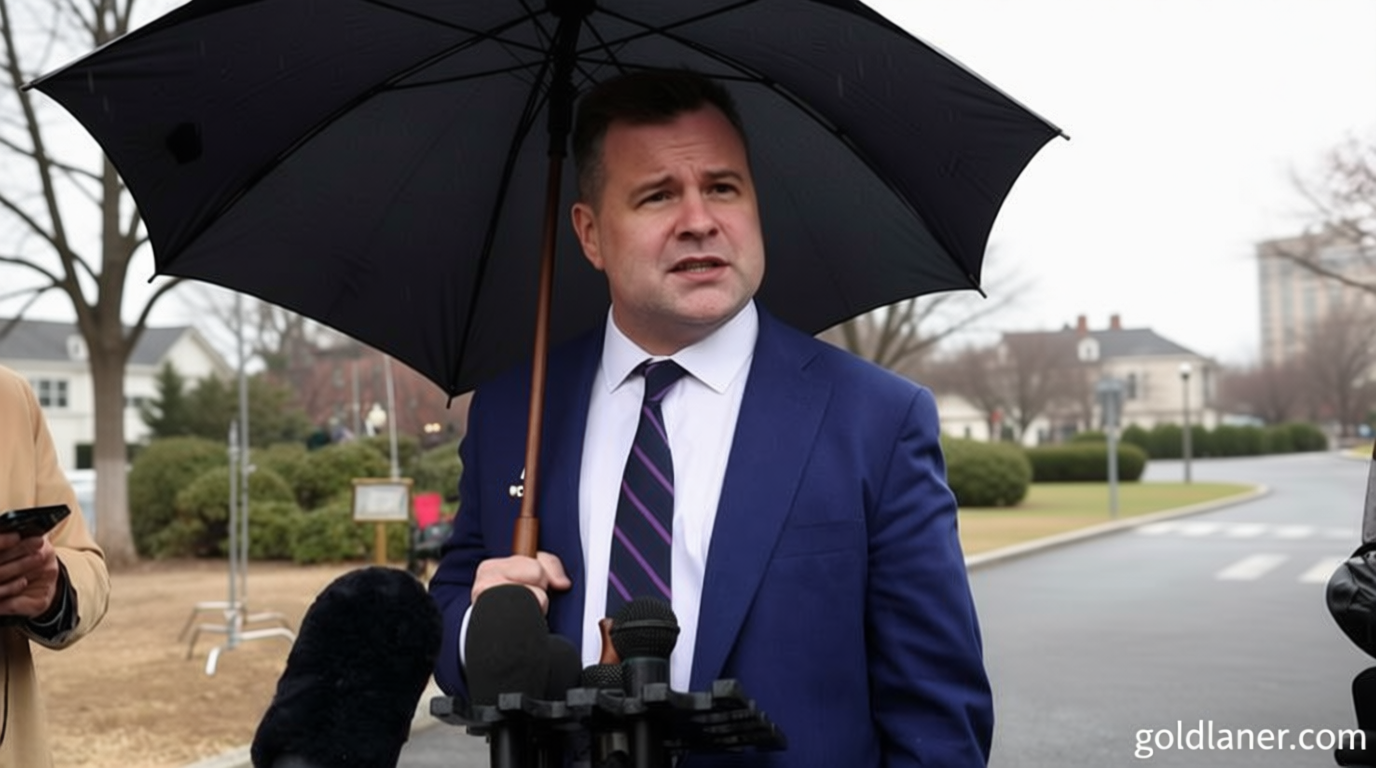
Trump Names Controversial Housing Official as Acting Director of National Intelligence
Trump names controversial top housing official – President Donald Trump has appointed Bill Pulte, the former head of the Federal Housing Finance Agency, to serve as the acting director of national intelligence. The decision, announced on Tuesday, has raised eyebrows among political analysts and insiders, given Pulte’s limited experience in intelligence operations. While his background in housing finance is well-established, his new role as the top intelligence official brings him into a position of significant influence over the federal government’s security apparatus.
Pulte’s Political Role and Referrals
Pulte, a businessman turned public servant, has become a key figure in Trump’s efforts to target political adversaries. His tenure at the Federal Housing Finance Agency (FHFA) saw him aggressively pursue cases against Democrats and others perceived as opponents of the president. Notably, he directed the Justice Department to investigate several prominent figures, including New York Attorney General Letitia James, Rep. Eric Swalwell, Sen. Adam Schiff, and Fulton County District Attorney Fani Willis. These individuals had previously challenged Trump’s policies or actions, prompting accusations of partisan bias in his work.
“Building homes is very similar to managing a 17-agency US intelligence community,” said a former Trump official, offering a sarcastic perspective on Pulte’s qualifications.
The referrals underscored Pulte’s role as a political attack dog, leveraging the power of federal agencies to investigate rivals. His actions contributed to a broader narrative of the Trump administration using the justice system for retribution. While the investigations into James, Swalwell, Schiff, and Willis focused on mortgage fraud allegations, only James faced formal charges—though those were later dismissed by a federal judge. Pulte also targeted Federal Reserve Governor Lisa Cook, alleging similar misconduct. Despite the denials from all five individuals, the move was seen as a strategic effort to align the intelligence community with Trump’s agenda.
Senate Confirmation and Acting Role
Pulte’s appointment to the intelligence post follows his Senate confirmation as FHFA director, a key factor in his eligibility for the acting role. However, his transition to national intelligence has drawn scrutiny, with some questioning whether his expertise in housing policy translates effectively to intelligence oversight. His ability to manage complex financial systems, such as the operations of Fannie Mae and Freddie Mac, is highlighted by Trump as a strength, with the president noting Pulte’s “deep experience” in handling sensitive matters and safeguarding over $10 trillion in assets.
As acting director, Pulte now holds the authority to shape intelligence priorities and initiate referrals to the Justice Department. This power has been a focal point of debate, with critics arguing that it could be used to further Trump’s retribution campaign. The Government Accountability Office (GAO) has already launched an inquiry into Pulte’s conduct, questioning whether he misused his position to target political enemies. His actions have been compared to those of past appointees, suggesting a pattern of selecting officials with strong loyalty to the administration rather than extensive intelligence experience.
Historical Context of Trump’s Appointees
This is not the first instance where Trump has prioritized loyalty over expertise in naming acting intelligence directors. During his first presidential term, he appointed Ric Grenell, his ambassador to Germany, to the same role despite similar gaps in his intelligence background. At the time, a former White House official remarked that Trump was seeking someone who would “have his back” in the intelligence community. Grenell, while lacking direct experience in intelligence collection, had spent years engaging with national security issues and consuming classified information, which he claimed made him a suitable candidate for driving change within the agency.
Analysts now draw parallels between Grenell’s appointment and Pulte’s, suggesting a recurring strategy of placing trusted allies in positions of influence. While Pulte’s experience with the housing finance system is notable, his familiarity with classified intelligence or inter-agency coordination remains unclear. Trump has emphasized that Pulte’s understanding of market stability and regulatory oversight qualifies him for the role, even as critics highlight the potential for political interference in intelligence operations.
Reactions from Within and Beyond the Administration
The selection has elicited mixed reactions. Senate Intelligence Committee Chairman Mark Warner, a top Democrat, criticized the move, stating it reflects Trump’s desire for an intelligence official who aligns with his “political retribution” agenda. Warner argued that Pulte’s eagerness to use government authority for personal gain could undermine the intelligence community’s independence. In contrast, Vice President JD Vance praised Pulte’s appointment, asserting that his ability to “respond to elected leadership” is essential for effective governance. Vance emphasized the importance of the intelligence community functioning under the direction of a president who can “make decisions quickly” without bureaucratic delays.
Some Trump allies have expressed confusion over the appointment, questioning whether Pulte’s background in housing finance justifies his shift to intelligence oversight. Yet, the president’s supporters view the move as a testament to Pulte’s reliability and his proven ability to act decisively. His previous role in the Justice Department’s investigations has been framed as evidence of his capability to lead in a high-stakes environment, even if his expertise is not traditionally associated with intelligence work.
The Path Forward for Pulte
While Pulte’s acting role is temporary, his influence could extend beyond the initial transition. Trump has stated that Pulte will retain his current responsibilities until a permanent director is confirmed by the Senate. This dual appointment allows Pulte to operate in both capacities, potentially amplifying his impact on policy decisions. The intelligence community’s response to this arrangement will be critical in determining whether it sees Pulte as a capable leader or a political pawn.
As the acting director, Pulte now has the opportunity to shape intelligence priorities and address pressing threats, such as cybersecurity risks and international relations. However, his track record of targeting political opponents raises concerns about impartiality. The role of the director of national intelligence (DNI) involves not only managing the 17 agencies but also advising the president on national security matters. Whether Pulte can navigate these responsibilities without bias will be a defining test of his effectiveness in the new position.
The appointment has sparked a broader conversation about the balance between political loyalty and professional competence in key government roles. As the intelligence community continues to adapt to this new leadership, its ability to maintain independence while supporting the administration’s goals will be closely watched. For now, Pulte’s transition marks a significant step in Trump’s strategy to consolidate power within his inner circle, even as it invites scrutiny from both allies and adversaries.