
Trump’s audacious bid to end birthright citizenship was not an entire loss at the Supreme Court
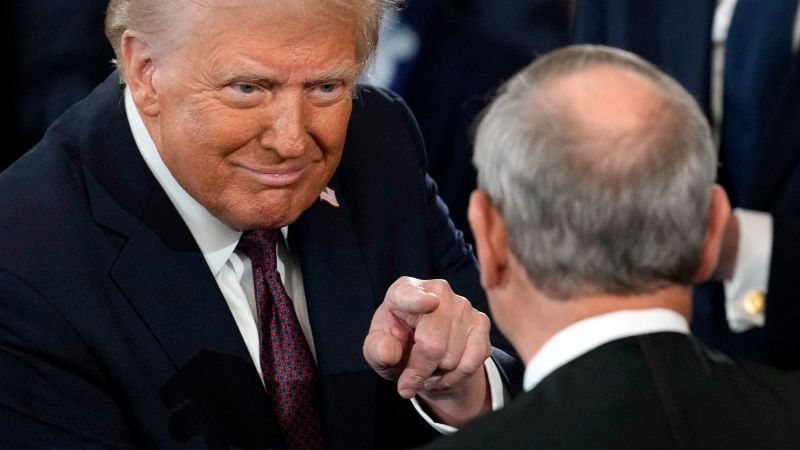
Trump’s Bid to End Birthright Citizenship Fails at Supreme Court
Trump s audacious bid to end birthright – President Donald Trump’s bold attempt to end birthright citizenship, a key element of his immigration agenda, was met with a decisive Supreme Court ruling. The court’s 6-3 decision in *Trump v. Barbara* rejected the executive order signed by Trump in January 2025, which aimed to restrict automatic citizenship for children born to undocumented immigrants. While the administration viewed the effort as a major accomplishment, legal analysts noted that the ruling preserved the constitutional foundation of birthright citizenship, rooted in the 14th Amendment.
A Constitutional Battle with Lasting Impact
The Supreme Court’s unanimous rejection of Trump’s bid to end birthright citizenship reinforced the longstanding interpretation of the 14th Amendment. The amendment, ratified in 1868, guarantees citizenship to anyone born on U.S. soil, provided they are subject to the country’s jurisdiction. This principle, which has been central to American identity, was upheld despite Trump’s argument that it should be reinterpreted to align with modern immigration challenges.
“Birthright citizenship is a fundamental part of our national promise,” Chief Justice John Roberts wrote in the majority opinion. “The Framers designed it to ensure that all individuals, regardless of their parents’ status, would have the right to participate in our democracy.”
Roberts, alongside conservative justices Amy Coney Barrett and Samuel Alito, emphasized the historical continuity of the 14th Amendment’s text. The majority argued that the amendment’s language was clear and that Congress, not the executive branch, should decide any changes to the citizenship criteria. This legal reasoning left little room for the administration’s claim that the policy could be achieved through legislative action.
Political Momentum and Constitutional Frustration
Though the Supreme Court dismissed Trump’s initiative, the effort still generated significant political momentum. The administration secured support from 25 states and a coalition of Republican lawmakers, signaling that the idea of ending birthright citizenship was gaining traction among conservative factions. This backing, while not enough to override the court’s decision, highlighted the ongoing debate over the amendment’s interpretation and its role in shaping immigration policy.
“The court’s decision was a loss for the administration, but the fight is far from over,” said legal analyst Maria Lopez. “Trump’s strategy of framing birthright citizenship as a constitutional issue rather than a policy one was a calculated move to rally support and keep the conversation alive.”
Some legal scholars, however, cautioned that the ruling could strengthen the long-term viability of the 14th Amendment. “The decision may serve as a precedent that makes future challenges to birthright citizenship more difficult,” said constitutional expert James Carter. “The court’s emphasis on the amendment’s text suggests a commitment to preserving its original intent.”
Legislative Pathways and Constitutional Challenges
Despite the Supreme Court’s rejection, Trump’s bid to end birthright citizenship remains a focal point for legislative action. Justice Brett Kavanaugh, in his concurring opinion, acknowledged the amendment’s constitutional text but suggested that Congress could still enact laws to modify its provisions. “The 14th Amendment doesn’t preclude Congress from creating exceptions for children born to unlawfully present foreign nationals,” Kavanaugh wrote, offering a potential roadmap for future policy shifts.
While the ruling was a setback for Trump’s immediate goals, it did not entirely derail his vision. The executive order, though dismissed, sparked discussions about the possibility of legislative changes. Legal experts debated whether the administration could leverage the case to build a broader argument for amending federal immigration laws, even if the 14th Amendment itself was not directly altered.
