
Exclusive: Trump administration ramps up effort to revoke citizenship from naturalized Americans
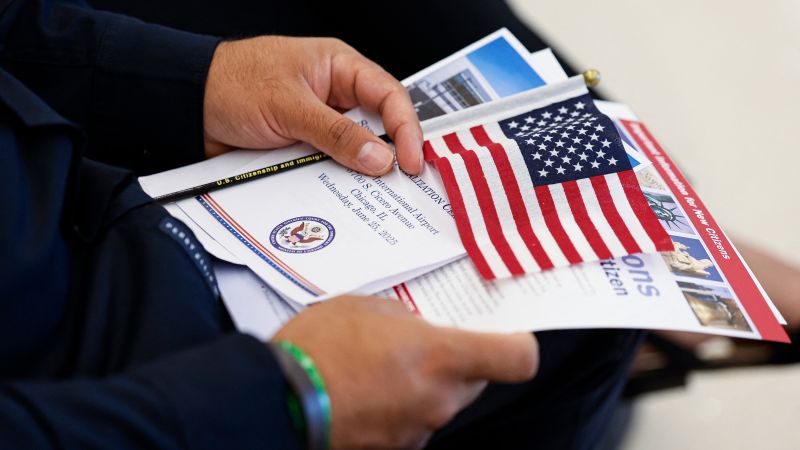
Trump Administration Expands Citizenship Revocation Efforts
Exclusive: The Trump administration is intensifying its push to strip citizenship from naturalized Americans, with plans to file over 250 denaturalization cases by October 2026, according to a senior Justice Department official. This marks a sharp increase from previous years, with 29 such cases already initiated in June 2026 alone. The initiative targets individuals accused of obtaining U.S. citizenship through deceptive practices, including fraud or ineligibility, and aims to reinforce the administration’s stance on immigration integrity.
Legal Strategies and Resource Reallocation
Exclusive legal actions under denaturalization provisions are now central to the Justice Department’s immigration enforcement priorities. These cases, governed by long-standing federal laws, enable the government to challenge naturalized citizens who misrepresented their backgrounds or concealed criminal records. A senior official confirmed that the program has been streamlined by reallocating civil litigation resources from other departments, such as fraud investigations, to bolster the denaturalization unit. This strategic shift has intensified the pace of proceedings, with U.S. attorney offices facing a surge in referrals.
“Exclusive use of denaturalization is a lawful way to ensure that citizenship is awarded to those who meet the criteria,” the official stated, emphasizing that the process remains critical for maintaining the credibility of U.S. nationality. “We’re focusing on cases where individuals actively misled the system.”
Target Categories and National Security Focus
Exclusive denaturalization efforts target specific groups, such as those with ties to national security threats, individuals who concealed felony convictions, or those involved in identity theft. These categories, outlined in a June 2025 memo by Assistant Attorney General Brett Shumate, serve as a framework for prioritizing cases. While the memo lists 10 priorities, the official noted that the Civil Division retains flexibility in pursuing any eligible case. Exclusive attention is also given to individuals accused of sexual abuse or terrorism-related activities during their naturalization process.
Exclusive legal grounds for revocation include fraudulent statements, eligibility discrepancies, and actions undermining U.S. interests. Critics argue that the process may now extend beyond traditional fraud cases, raising concerns about its broad application. The senior DOJ official acknowledged that the current administration’s exclusive focus on denaturalization reflects a broader strategy to scrutinize citizenship claims more rigorously than prior administrations.
Workload Challenges and Backlog Management
Exclusive management of the denaturalization backlog requires 12 attorneys to process a growing number of cases, ranging from identity fraud to war crimes. The Justice Department has allocated additional resources by integrating civil fraud specialists and political appointees into the unit. Exclusive efforts to expedite proceedings have led to increased case volumes, though the process remains complex and time-consuming. The official highlighted that this exclusive focus could result in hundreds of cases, underscoring the administration’s commitment to the initiative.
Exclusive denaturalization cases differ from those targeting birthright citizenship, which applies to individuals born in the U.S. to undocumented parents. While the Trump administration proposed an executive order to address birthright citizenship, the Supreme Court is set to rule on its legality. Exclusive attention to naturalized citizens, however, has already gained momentum, with the Justice Department framing it as a vital tool for immigration enforcement.
Historical Context and Public Reaction
Exclusive denaturalization efforts have sparked debate over their impact on the U.S. citizen population. According to the U.S. Citizenship and Immigration Services, nearly 8 million people became naturalized citizens in the past decade. Exclusive targeting of these individuals has raised questions about fairness and the potential for overreach. Supporters argue the move strengthens national security, while opponents warn of disproportionate consequences for long-term residents.
Exclusive strategies under the current administration contrast sharply with past approaches, such as the Biden era’s 24 denaturalization cases over four years. The rapid escalation of denaturalization efforts reflects a deliberate policy shift, with the Justice Department positioning it as a key component of its broader immigration agenda. As the process continues, the exclusive focus on revoking citizenship from naturalized Americans remains a central point of contention in the political discourse.
