
The 14-point US-Iran peace plan, annotated
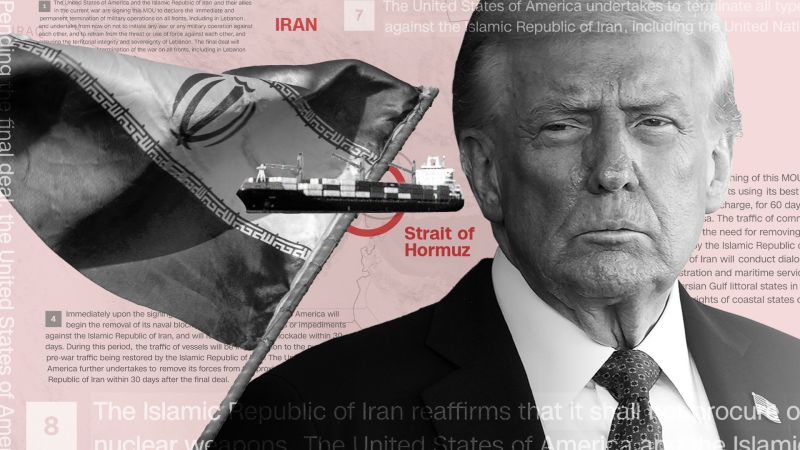
The 14-Point US-Iran Peace Plan, Annotated
Key Objectives and Immediate Outcomes
The 14 point US Iran peace – The U.S. and Iran have signed a 14-point memorandum of understanding (MOU) designed to build upon a ceasefire and restore maritime traffic through the Strait of Hormuz. This document outlines the initial framework for a broader agreement, emphasizing stability in the region and the easing of economic pressures on Iran. However, the concise nature of the plan—spanning fewer than 800 words—suggests that many critical details will be addressed in subsequent phases. Among these, the issue of Iran’s nuclear program remains a contentious point, with its inclusion signaling the administration’s willingness to negotiate on this complex subject.
The agreement’s primary goal is to normalize trade and reduce diplomatic tensions, but it also hints at a larger strategic vision. By lifting sanctions, the U.S. aims to grant Iran access to international markets, enabling the country to sell its oil and generate revenue. This move could unlock billions in frozen assets held by Iran abroad, as well as provide $300 billion in financing through a structured economic arrangement. Such financial incentives are expected to bolster Iran’s economic recovery and potentially ease its reliance on regional allies, though the long-term effects remain uncertain.
Structure and Content
While the MOU provides a broad overview, its 14 points serve as a foundation rather than a fully detailed treaty. Each section of the document is tailored to address specific areas of contention, such as security guarantees, regional cooperation, and the phased reduction of sanctions. The plan’s modular approach allows for flexibility, enabling the parties to revisit terms as new agreements are reached. This structure reflects the Trump administration’s preference for multilateral frameworks, even as it underscores the challenges of achieving consensus on divisive issues.
One of the plan’s most notable aspects is its focus on the Strait of Hormuz, a vital chokepoint for global oil exports. By ensuring the free flow of maritime traffic through this region, the U.S. and Iran seek to stabilize energy markets and prevent disruptions that could trigger economic fallout. The agreement also includes provisions for joint monitoring of shipping lanes, though the specifics of enforcement mechanisms remain to be fleshed out. These elements are positioned as immediate wins, offering visible progress amid ongoing negotiations.
Strategic Context and Historical Precedents
The Trump administration has a history of favoring comprehensive agreements, often structured around a large number of points. For instance, the 20-point plan aimed at resolving hostilities in the Gaza Strip demonstrated this approach, while the administration’s unrealized 28-point proposal to conclude Russia’s conflict in Ukraine highlighted its ambitious yet often unfulfilled vision. The 14-point MOU with Iran aligns with this pattern, suggesting a deliberate strategy to create a detailed roadmap for long-term cooperation.
Despite its ambitious scope, the agreement is seen as a placeholder, with key elements left to be negotiated. The nuclear program, for example, is addressed in a single point, raising questions about how it will be resolved. Will Iran agree to limit its enrichment capabilities? How will the U.S. ensure compliance? These questions underscore the need for further dialogue, as the current outline lacks the specificity required for binding commitments. The MOU’s brevity, however, is a strategic advantage, allowing both sides to present their priorities without getting bogged down in early disputes.
Implications and Future Steps
The document’s emphasis on economic relief for Iran highlights the administration’s focus on pragmatism. By addressing sanctions first, the plan aims to incentivize Iran’s cooperation on other issues, such as its regional activities in the Middle East. However, critics argue that this approach risks overlooking the deeper geopolitical tensions between the two nations. The MOU’s success will depend on its ability to balance immediate benefits with long-term commitments, ensuring that both parties feel their interests are protected.
A senior Trump administration official revealed the plan’s structure during a press call, describing it as a “starting point for dialogue” rather than a final settlement. “This agreement is not a treaty, but it sets the stage for a more permanent solution,” the official stated. The process of refining the MOU will likely involve extensive back-and-forth, with each point requiring careful consideration. While the document is a step toward peace, it also signals that the U.S. and Iran are prepared to pursue a gradual, phased approach to their relationship.
Analysts note that the MOU’s inclusion of the nuclear program as a key topic is a significant departure from previous negotiations. The U.S. has long viewed Iran’s enrichment activities as a potential threat to global security, yet the plan’s tentative language suggests a willingness to compromise. This shift may be a result of the administration’s broader goals to reduce U.S. military involvement in the region and focus on diplomatic engagement. Nevertheless, the path to resolution remains fraught, with the nuclear issue likely to dominate future discussions.
As the U.S. and Iran move forward, the plan’s success will hinge on its ability to address both immediate concerns and long-standing grievances. The financial incentives promised to Iran are expected to play a pivotal role in securing its participation, but they will need to be paired with credible security assurances to sustain momentum. The upcoming phases of the agreement will be crucial in determining whether this 14-point outline evolves into a lasting peace accord or remains a symbolic gesture.
“This agreement is not a treaty, but it sets the stage for a more permanent solution,” said a senior Trump administration official during a press call. The statement reflects the administration’s commitment to building a comprehensive framework, even as it acknowledges the complexity of the task ahead.
Ultimately, the MOU represents a strategic effort to stabilize the region and create a foundation for deeper cooperation. By addressing the ceasefire and economic aspects first, the U.S. and Iran aim to demonstrate progress and build trust. However, the true test of the agreement will come as they navigate the more contentious issues, such as Iran’s nuclear program and its regional influence. For now, the 14-point outline stands as a testament to the administration’s belief in multilateral diplomacy, even as it signals a shift toward more flexible, step-by-step negotiations.
