Judge says Trump can’t use Social Security data for voter roll purges

Federal Judge Blocks Trump’s Use of Social Security Data in Voter Roll Purges
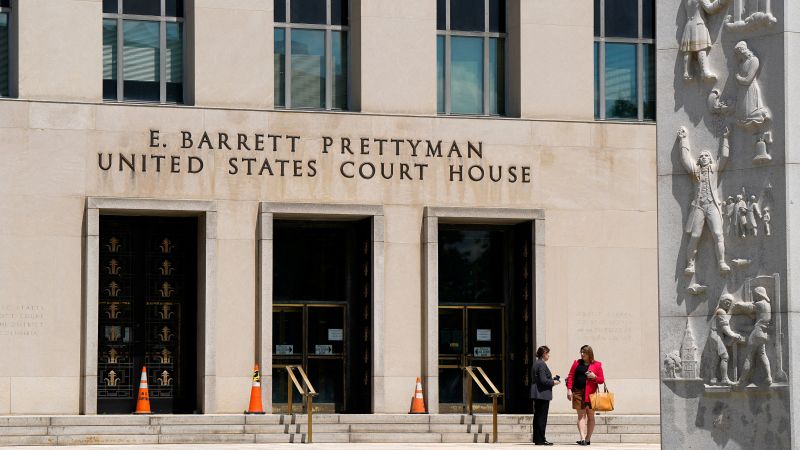
Judge says Trump can t use Social – A federal judge has ruled that the Trump administration’s overhaul of a citizen data program breached federal privacy protections, effectively halting its use for aggressive voter roll purges. The decision, issued by US District Judge Sparkle Sooknanan, marks a significant hurdle for President Donald Trump’s initiative to identify noncitizens on state voter lists. Election officials and voter advocates argue that the process could lead to the erroneous removal of eligible voters, undermining confidence in the electoral system.
The case revolved around the Systematic Alien Verification for Entitlements (SAVE) program, a federal initiative originally designed to verify citizenship for public benefits. However, it was also made available to election authorities to check voter registration records against citizenship data. This dual purpose has raised concerns about its potential misuse, particularly in targeting voters without sufficient evidence of their status.
In the early months of Trump’s second term, his administration significantly expanded the program by incorporating additional data sources, including Social Security records and information from other federal agencies. This enhancement was part of a broader strategy to strengthen voter verification efforts, aiming to identify foreign-born individuals who might be eligible to vote. The revised SAVE system allows for more comprehensive analysis of voter rolls, but critics warn it risks overreach.
Sooknanan noted in her Monday ruling that the administration was aware the SAVE overhaul violated privacy protections established by Congress. Despite this knowledge, they proceeded with the changes to meet the requirements of an Executive Order mandating the creation of a system for mass voter verification. The judge emphasized that the administration’s actions were driven by a “scramble” to implement federal policies that could disproportionately affect citizens’ voting rights.
“All in all, the federal government has knowingly trampled on the privacy rights of American citizens in a manner that threatens the sacred right to vote. This Court cannot stand idly by while that happens,” said Sooknanan, an appointee of President Joe Biden. Her order temporarily halts the use of the expanded data system, which was intended to streamline the purge of noncitizens from voter rolls. The ruling comes amid ongoing debates over the balance between national security and individual privacy in the electoral process.
The Trump administration’s strategy to use SAVE includes both encouraging states to adopt the program and threatening to penalize those that resist. This approach has intensified pressure on local governments to comply with federal directives. The Justice Department has also launched an unprecedented campaign to gather unredacted voter registration files from all states, enabling federal oversight of voter lists against the SAVE database. Such measures have drawn criticism from civil liberties groups, who argue they could be used to target voters based on flawed data.
Exclusive reporting from CNN revealed that the administration plans to leverage homeland security funds to influence state-level election reforms. This financial incentive is part of a larger effort to align state voting procedures with federal priorities, including stricter verification of voter eligibility. The SAVE program, with its expanded capabilities, is seen as a tool to expedite these changes, particularly in states with large immigrant populations.
The case before Sooknanan was brought by several voter advocacy organizations and a privacy group, who contended that the program’s data consolidation violated constitutional safeguards. They argued that the SAVE system’s reliance on outdated or inaccurate information could lead to the wrongful identification of citizens as noncitizens. “The data at the heart of this lawsuit was unlawfully consolidated in violation of privacy laws intended to protect sensitive personal information,” stated Skye Perryman, president and CEO of Democracy Forward, which represented the challengers.
“As the Trump-Vance administration continues its attack on the right to vote, this is an important victory for the American people and our democracy,” Perryman added. “The expansion of SAVE represents a direct threat to the privacy and participation of millions of citizens, particularly those from marginalized communities.”
The ruling’s practical impact remains uncertain, as the administration has already initiated other projects targeting voter rolls. However, the decision has provided a legal foundation for challenging the program’s broader implications. While the SAVE overhaul was designed to enhance voter verification, its application has sparked fears of systemic disenfranchisement, especially among low-income and minority populations.
Additionally, a more recent executive directive by Trump tasked the Department of Homeland Security with utilizing SAVE and other federal data resources to compile lists of voting-age citizens for each state. This order underscores the administration’s commitment to scrutinizing voter eligibility through expanded federal data integration, further complicating the relationship between state and federal oversight.
The Department of Homeland Security has not yet commented on the court’s decision, though the Justice Department has been actively collecting unredacted voter registration files from states. These efforts highlight the administration’s aggressive stance on ensuring compliance with its vision of voter verification. Critics, however, argue that the program’s design lacks transparency and could be used to suppress votes in key demographics.
The judge’s intervention signals a growing resistance to the administration’s plans, which were criticized for their potential to erode trust in the electoral process. By blocking the use of Social Security data in voter roll purges, Sooknanan has provided a critical check on the federal government’s power to manipulate voter lists, reinforcing the importance of safeguarding individual rights in democratic processes.
As the legal battle over SAVE continues, its expanded role in federal elections will likely face further scrutiny. The administration’s push to integrate data across agencies raises questions about the long-term consequences for privacy and voting access. For now, the ruling offers a temporary reprieve for voters, but the fight to protect their rights remains ongoing.