
Trump makes it easier to fire 8,000 federal workers
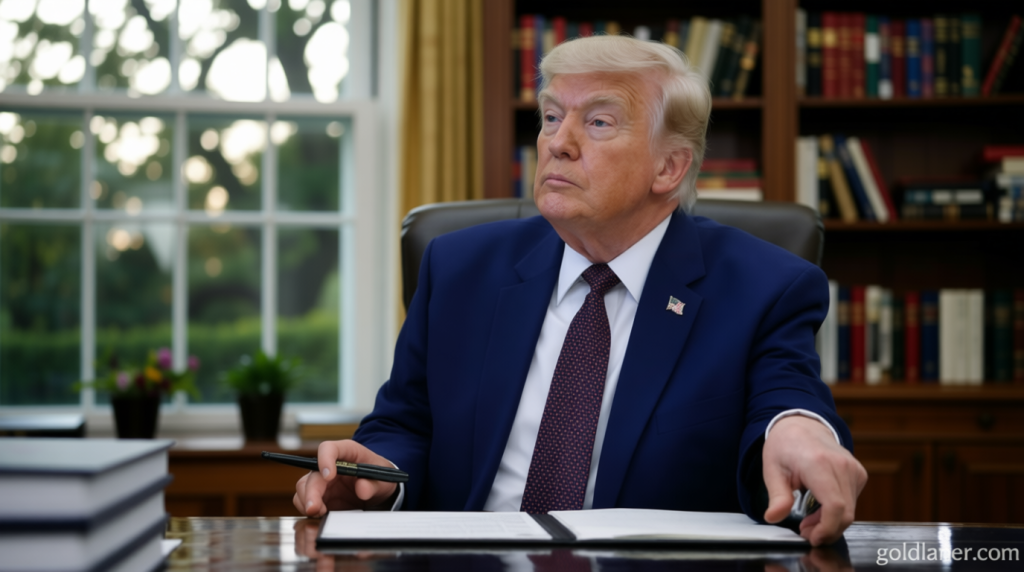
Reclassifying Federal Workers: Trump’s Executive Order Streamlines Firing Process
Trump makes it easier to fire 8 – On Wednesday, President Donald Trump finalized an executive order that significantly alters the employment status of approximately 8,000 senior federal workers, converting them into at-will employees. This change eliminates certain civil service safeguards, allowing agencies to terminate these individuals for reasons such as poor performance, misconduct, or failure to align with presidential priorities without facing the same procedural hurdles that traditionally protect government employees. The order introduces a new classification system, known as Schedule Policy/Career, which redefines key roles within the federal workforce to prioritize flexibility over tenure-based protections.
Policy Positions Targeted by the Change
The Schedule Policy/Career designation encompasses a range of high-level positions, including directors of major agencies, chiefs of staff, senior advisors, and policy analysts. It also extends to professionals who play a critical role in shaping regulations and determining the recipients of federal grants. By reclassifying these individuals, the administration aims to reduce bureaucratic inertia and enhance the ability of leaders to swiftly replace employees who may hinder their policy objectives. This move aligns with broader efforts to reshape the federal workforce during Trump’s second term, emphasizing efficiency and alignment with executive priorities.
White House Rationale for the Reform
“Agencies can remove employees in Schedule Policy/Career for poor performance, misconduct, corruption, or subversion of Presidential directives without lengthy procedural hurdles that often prevent accountability,” stated the White House in a fact sheet accompanying the order. The directive underscores the administration’s belief that streamlined termination processes will improve decision-making and reduce the likelihood of political bias in federal employment. According to the OPM director, Scott Kupor, the reform is a step toward restoring the democratic process by empowering leaders to act decisively when necessary.
The reclassification of federal workers into at-will positions is not a new strategy for Trump. Similar efforts began during his first term, when he introduced an executive order creating Schedule F, a category that could have impacted up to 50,000 workers. That initiative was later reversed by President Joe Biden, but Trump quickly reinstated the policy upon his return to office. The Office of Personnel Management (OPM) officially finalized the rule in February, setting the stage for its implementation this week. The new system replaces Schedule F with Schedule Policy/Career, which the administration argues better reflects the dynamic nature of modern governance.
Political Context and Criticisms
Throughout his second term, Trump has taken several measures to reshape the federal workforce, including directing agencies to reduce staffing levels and terminating union contracts under the guise of national security. These actions have drawn criticism from opponents, who argue that the changes politicize federal employment and create a system where loyalty to the president outweighs expertise or public service. The Schedule Policy/Career designation is seen as another tool to reinforce this trend, giving the executive branch greater control over key decision-makers. Critics worry that this could lead to a more partisan workforce, where individuals are hired and fired based on their alignment with the current administration rather than their qualifications or dedication to policy.
Legal Challenges and Public Concerns
The implementation of Schedule Policy/Career has sparked legal challenges, with several lawsuits filed against the order. Advocacy groups and legal experts are scrutinizing the potential impact on government operations, arguing that removing tenure protections could destabilize agencies and reduce the pool of experienced professionals. “When government experts can be fired without cause, it’s not just federal workers who are harmed — it’s the people across the country who rely on these essential services every day,” said Skye Perryman, CEO of Democracy Forward, one of the organizations involved in the litigation. Perryman’s concerns highlight the broader implications of the reform, suggesting that it may compromise the reliability and impartiality of federal services.
The shift to at-will employment for these 8,000 workers is part of a larger effort to make the federal workforce more responsive to executive demands. By allowing agencies to act more quickly in removing employees, the administration claims it can address inefficiencies and ensure that policies are implemented without bureaucratic delays. However, this approach also raises questions about job security and the long-term effects on institutional knowledge. For instance, policy analysts and grant administrators often play a pivotal role in crafting long-term strategies, and their potential removal could lead to abrupt shifts in priorities or inconsistent regulatory outcomes.
Broader Implications for Federal Governance
Supporters of the order argue that it reflects the need for a more agile government, capable of adapting to changing circumstances and addressing national challenges with greater speed. They point to the recent emphasis on reducing red tape and fostering a culture of accountability as justification for the policy. However, opponents warn that the move could erode the stability of federal institutions, making them more susceptible to political pressures. The OPM’s decision to finalize the rule in February signaled a commitment to this vision, and Trump’s executive order now codifies it into law.
As the new classification takes effect, the debate over its merits and drawbacks is expected to intensify. While the administration frames the change as a necessary step toward efficiency, critics emphasize the risks of politicizing federal employment and undermining the independence of public servants. The legal battles surrounding the order will likely test the boundaries of executive power and determine whether the reforms represent a fundamental shift in how the federal workforce is managed or merely a continuation of past policies. Regardless of the outcome, the impact on 8,000 workers and the broader federal system is already being felt, reshaping the landscape of public service in the United States.
