
When will we know the outcome of the California governor primary?
California Governor Primary: When Will the Results Be Finalized?
Vote Counting Delays Extend Uncertainty in Tight Race
When will we know the outcome – As of Wednesday evening, the outcome of the California governor’s primary remains uncertain, with the final tally still pending. Three contenders—Republican Steve Hilton and Democrats Xavier Becerra and Tom Steyer—compete for two general election spots. While Hilton initially led in early returns, Becerra and Steyer have shown steady gains in recent county updates, reducing the Republican’s perceived advantage. This extended uncertainty stems from California’s unique voting system, which involves a significant volume of mail ballots and a slower processing timeline compared to other states.
The state’s election infrastructure is well-known for its deliberate pace, as local officials meticulously handle millions of mail-in votes. Some ballots arrive even after Election Day, creating a backlog that delays the final count. With results expected to be finalized by July 2, the race could continue shifting for days, depending on the flow of incoming votes. This process is complicated by the dual nature of mail ballots and provisional votes, which require additional verification and often arrive late in the count.
“The ‘pig in a python’ effect highlights how mail ballots can slow down the race,” said a spokesperson for the California Voter Foundation, a nonprofit focused on streamlining election procedures. “This bottleneck occurs because a quarter of all votes typically come in as mail ballots on Election Day itself, which take longer to process than in-person ballots.”
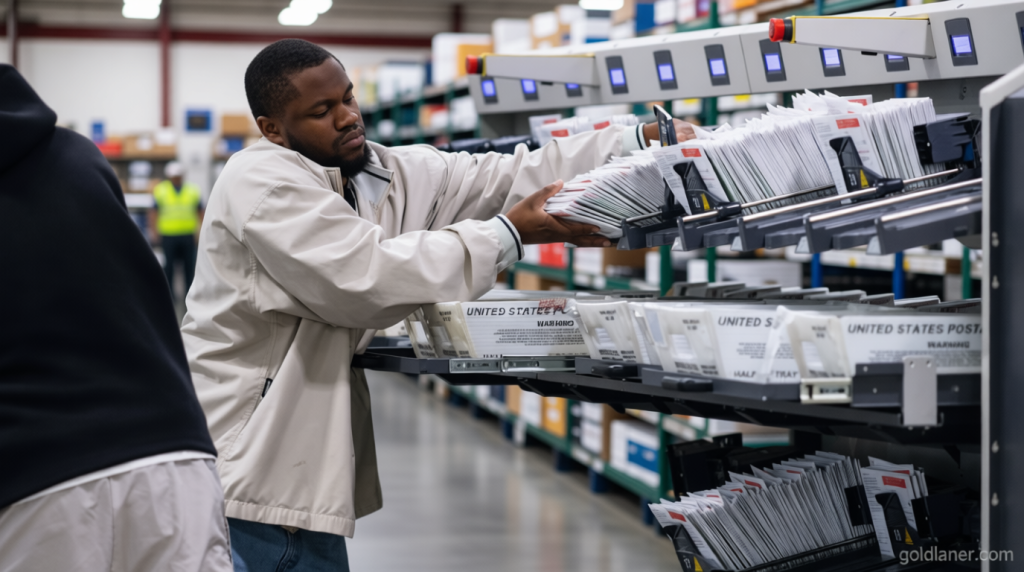
Election night in California saw a surge of reported votes, largely from mail ballots received before Tuesday or cast in person. However, the final tally depends on mail ballots arriving after the initial rush, as they must be postmarked by Tuesday and received by June 9. This delay has become a hallmark of California politics, with past elections showing that the final results can take weeks to fully materialize.
As the count progresses, Democratic candidates have historically improved their standings in later rounds. For example, in the 2024 Senate primary, Democratic contenders in the top-two race saw their combined share of votes rise from 57.3% on Wednesday morning to 59.5% once all mail ballots were processed. This pattern suggests that votes cast on Election Day—often reported first—are not the last word in the race, as mail ballots accumulate over time.
The shift in vote totals is partly due to demographic differences in voting behavior. In recent years, Democrats have increasingly relied on mail ballots, while Republicans have favored in-person voting on Election Day. However, data from Political Data, Inc., a Democratic-aligned research firm, indicates that this trend may be intensifying this year. According to their analysis, Democratic voters are returning ballots at a slower rate than in previous cycles, potentially giving them a larger share of the remaining votes.
California’s county-by-county reporting system adds to the complexity. While some jurisdictions, like Los Angeles County, update results daily, others may only release data a few times a week. This variability means the final standings could fluctuate significantly in the coming days. Most counties report results in the late afternoon or evening, aligning with the state’s time zone, but the exact timing depends on local office workflows.
With mail ballots continuing to arrive, the race remains dynamic. As of Wednesday, the Democratic candidates had closed the gap, but the question now is whether they can overtake Hilton in the top two. If mail ballots continue to favor Democrats, the outcome could change dramatically, altering the trajectory of the general election. Analysts warn that the final results might not reflect the initial counts, as the full picture only emerges once all votes are processed.
The California Voter Foundation emphasizes the importance of mail ballots in shaping election outcomes. “These ballots often determine the final margin, especially in close races,” they noted. “The delayed reporting creates a window where early results may not accurately represent the overall electorate.” This phenomenon is particularly relevant in a state where mail voting has grown to over 60% of total ballots, compared to around 35% in 2020.
Provisional ballots, which are cast on Election Day but require verification, also play a role in the extended count. These ballots, often from voters who were unsure about their eligibility, could tip the balance if they are ultimately confirmed. As the count continues, local officials will need to ensure accuracy while managing the volume of ballots, a task that requires careful coordination across the state.
Historically, California’s primary elections have been among the longest in the nation, with results often delayed due to the sheer number of mail ballots. This year’s contest is no exception, as the state’s electorate has grown and voting methods have evolved. With the final deadline for county results set for July 2, voters and analysts alike will wait anxiously for the full picture. The final tally could reveal whether the initial lead for Hilton is sustainable or if Becerra and Steyer have the momentum to secure a spot in the November general election.
As the days unfold, the focus will remain on the mail ballot pipeline. If Democratic voters continue to return their ballots at a slower pace than expected, the race could still be competitive. However, if the trend holds, the final count might favor Democrats, who have demonstrated greater reliance on mail voting in recent years. This could have broader implications for the state’s political landscape, as the primary results influence the general election strategy for both parties.
Ultimately, the California governor’s primary serves as a microcosm of the state’s electoral process. Its extended nature highlights the challenges of managing a large and diverse electorate, but it also underscores the importance of mail ballots in shaping outcomes. As more votes are tallied, the race will remain a focal point for political observers, with the final result hinging on the timing and distribution of remaining ballots.
