
Kash Patel and the Trump administration’s mockery of congressional hearings
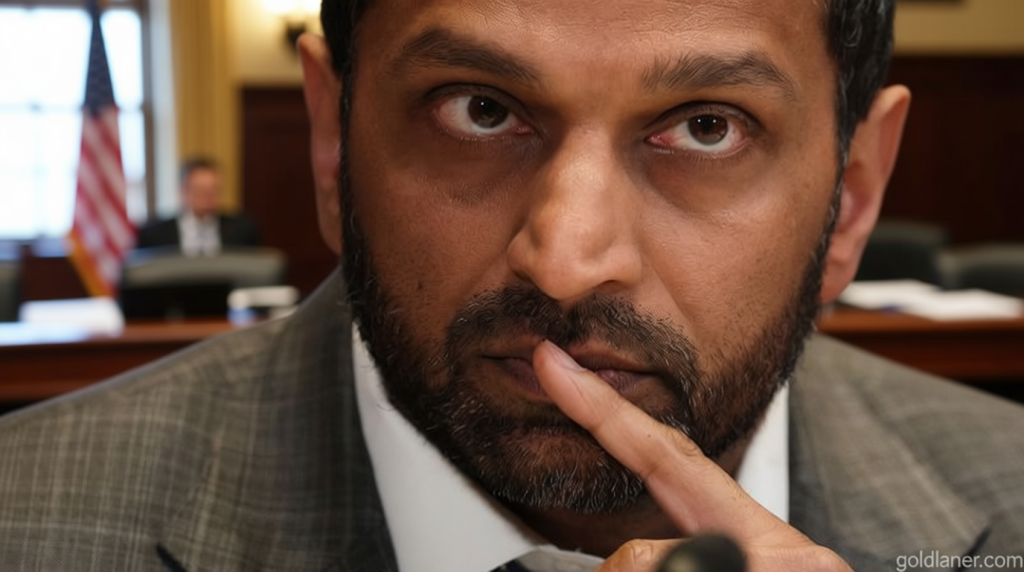
Kash Patel and the Trump administration’s mockery of congressional hearings
Kash Patel and the Trump administration –
From the outset, Trump administration leaders have demonstrated a dismissive attitude toward Congress, particularly its role in overseeing federal agencies. This approach has been evident in various high-profile moments, such as former Attorney General Pam Bondi’s “burn book” and her commentary on the stock market during hearings, or Defense Secretary Pete Hegseth’s aggressive and confrontational style in recent testimonies. The overarching tactic appears to be undermining lawmakers by deflecting scrutiny rather than addressing substantive questions—often even when the question comes from a fellow Republican. However, one recent appearance before Congress has become a striking example of the administration’s apparent disregard for accountability: FBI Director Kash Patel’s testimony on Tuesday, where he appeared to target Democratic Senator Chris Van Hollen with sharp criticism.
The Center of the Storm
Patel’s hearing focused on his management of the FBI, with senators probing into allegations about his behavior and decisions. Among the topics raised was a recent article in The Atlantic that claimed Patel had upset colleagues by his heavy drinking habits and his extravagant celebration of the U.S. hockey team’s Olympic victory in Italy. While Patel has dismissed these reports and even filed a lawsuit against the publication, the hearing turned contentious when Van Hollen, representing the Senate Appropriations subcommittee, presented a scathing opening statement. The Maryland senator accused Patel of perpetuating a misleading narrative in right-wing media, suggesting the FBI director was using hyperbole to shift blame from his own agency.
When Patel was given the chance to respond, he seized the opportunity to counterattack. “The only person that was slinging margaritas in El Salvador on the taxpayer dollar with a convicted gangbanging rapist was you,” he stated. “The only person that ran up a $7,000 bar tab in Washington, DC, at the Lobby Bar was you. The only individual in this room that has been drinking on the taxpayer dime during the day is you,” Patel added, pointing to Van Hollen’s past actions. These remarks were brief but pointed, highlighting how the FBI director used a single moment to attack Van Hollen’s character while deflecting scrutiny from his own conduct.
A Clash of Accusations
Patel’s claims hinged on Van Hollen’s visit to El Salvador last year, where he allegedly spent taxpayer funds on a $7,128 tab at the Lobby Bar. However, the facts are more nuanced. The image Patel referenced showed a bill from December 2025, but Van Hollen clarified that the expense was for a staff holiday party, not personal consumption. Furthermore, the total amount—$7,128—was for general “catering” expenses, which could include both food and alcoholic beverages. This distinction is crucial, as campaign funds, not taxpayer dollars, covered the cost.
Patel also tied Van Hollen to the deportation of Kilmar Abrego Garcia, an undocumented immigrant from Van Hollen’s home state of Maryland. The Trump administration had illegally sent Abrego Garcia to a harsh prison in El Salvador, and Patel implied that Van Hollen had been complicit in the decision, citing the “taxpayer dime” as a justification. Yet, Van Hollen had previously stated that he and Patel “neither of us touched the drinks” during their meeting. This detail undermines Patel’s claim, as it suggests the senator did not personally indulge in the alcohol he accused him of consuming.
The administration’s broader pattern of attacking opponents for the sake of avoiding accountability is well-documented. For instance, Bondi had previously cited unproven allegations about Abrego Garcia during a press conference in June, despite those claims not appearing in the indictment. Similarly, Patel’s remarks during the hearing reveal a tendency to conflate facts with speculation, potentially violating Justice Department ethics guidelines. These rules stipulate that officials should not make false statements or prejudice someone’s guilt without evidence.
The Weight of Testimony
As FBI director, Patel’s statements carry significant weight, especially since he is testifying under penalty of perjury. This means his remarks are legally binding and expected to reflect factual accuracy. By labeling Abrego Garcia a “convicted gangbanging rapist,” Patel may have risked misleading Congress, even if the intent was to shift blame. The senator’s own admission that he had not drunk during the El Salvador meeting further complicates the issue, as it suggests Patel’s accusation was not entirely grounded in truth.
Patel’s ability to condense four distinct criticisms into just 20 seconds of testimony underscores the administration’s skill in framing political narratives. His comments, while concise, painted Van Hollen as a person who had misused public funds and supported the deportation of a vulnerable immigrant. Yet, the reality is more complex: Van Hollen’s spending was tied to a fundraising event, and the administration itself had orchestrated Abrego Garcia’s removal. This creates a situation where Patel is not only questioning Van Hollen’s conduct but also implying that the senator is part of a larger pattern of negligence.
Despite these contradictions, Patel’s exchange with Van Hollen was met with approval from Trump’s allies, who quickly shared it on social media. The narrative that Van Hollen had been wasteful with taxpayer money gained traction, even as the specifics of the $7,128 tab and Abrego Garcia’s case remained contested. This highlights a recurring theme in the administration’s approach: using selective facts and emotional appeals to shape public perception, even when the evidence is incomplete or ambiguous.
The implications of Patel’s testimony extend beyond this single hearing. By targeting a fellow senator with such personal and accusatory remarks, he set a precedent for how the administration might handle congressional scrutiny in the future. The focus on Van Hollen’s alleged expenses and his role in the deportation of Abrego Garcia suggests a broader strategy of delegitimizing opponents through carefully crafted anecdotes.
While the $7,128 bill may seem like a minor issue, its use in Patel’s argument illustrates the administration’s reliance on symbolic gestures to underscore larger ideological battles. The claim that Van Hollen had spent taxpayer funds on drinks during the day, even if exaggerated, served to delegitimize his credibility and shift the focus from the FBI’s actions to the senator’s personal habits.
Ultimately, Patel’s remarks at the hearing reflect the administration’s growing habit of dismissing congressional oversight as a means to protect its own narrative. Whether through the “burn book” or the “taxpayer dime” argument, the approach has been to undermine credibility rather than engage in constructive dialogue. As the FBI director, Patel’s responsibility is to present facts, not just to challenge them. The effectiveness of his strategy may depend on how quickly the public accepts the framing he provided, even as the underlying details remain open to interpretation.
