
This anti-AI evangelist is growing more popular. That could be a problem for Trump
This anti-AI evangelist is growing more popular. That could be a problem for Trump
A Shift from Concert Lighting to AI Criticism
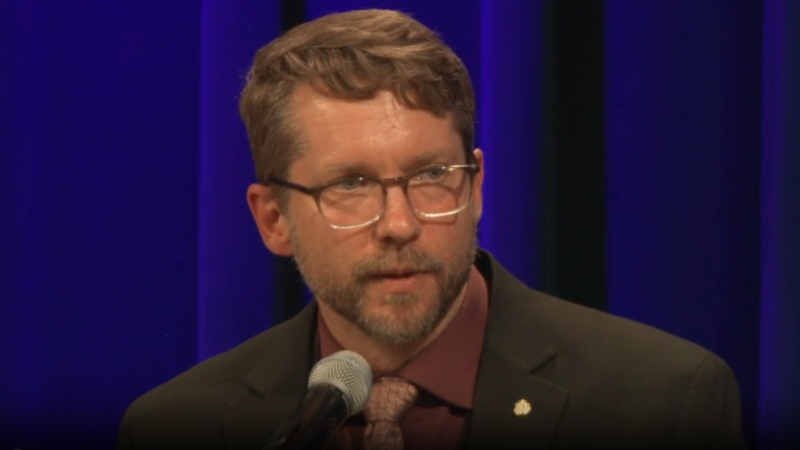
This anti AI evangelist is growing – When the pandemic reshaped the entertainment industry, Joe Allen, a former concert technician, found himself in an unfamiliar role. With live events struggling to survive, he transformed his mobile setup into a platform for warning about the growing influence of artificial intelligence. Once a “roadie” in the music scene, Allen now travels the country, delivering messages that blend theology, technology, and cultural anxiety. His work has taken him to platforms like The Federalist and Steve Bannon’s “War Room” podcast, where he argues that AI represents a existential threat to human values and societal stability.
A Rising Concern in American Society
Allen’s apprehension about AI has resonated with a growing segment of the population. Recent surveys, including one from Pew Research Center in June 2026, indicate a shift in public sentiment. For the first time, more Americans believe AI will harm society than those who think it will benefit. This trend aligns with Allen’s message, which emphasizes the loss of jobs, rising electricity costs, and the erosion of mental well-being. His sermons, which blend religious rhetoric with modern anxieties, have sparked a quiet but significant movement within the American right.
“I sound less crazy now,” Allen said before addressing a crowd at Dallas’ First Baptist Church, one of the nation’s largest megachurches. “There’s this whole cultural matrix filled with resentment. People are horrified by the imposition of technology.”
Allen’s background in religion and science, earned through a degree from Boston University, gives his arguments a unique edge. Describing himself as a tech-Luddite, he frames AI not as a tool but as a “god” that dictates what is “good” and “true.” This perspective has drawn attention, particularly after Time magazine featured him in a February cover story about the backlash against AI. His ability to connect with audiences, especially those in the working class, has elevated his profile in a way that challenges the traditional narrative of technological optimism.
Alienating Trump Supporters?
While Allen’s message has gained traction, it raises questions about its impact on the political right. His audience often includes MAGA supporters, yet they are increasingly critical of the Trump administration’s hands-off approach to AI regulation. This divide could complicate the GOP’s messaging ahead of the midterm elections. “They’re furious,” Allen told CNN, “they do not want it.” His rhetoric highlights a growing unease with how technology is being integrated into daily life, from automation to data-driven decision-making.
Allen’s influence extends beyond speeches. His writings and media appearances have contributed to a broader conversation about AI’s role in society. For instance, he has drawn parallels between AI and the monstrous Shoggoth from H.P. Lovecraft’s 1936 novella, *At the Mountains of Madness*. This fictional creature, with its tentacles and insatiable hunger, symbolizes the unpredictable nature of AI. In one presentation, Allen juxtaposed the faces of AI executives with the Shoggoth’s limbs, visually reinforcing his argument that the technology is a creeping force threatening human autonomy.
A Church with Political Power
The First Baptist Church in Dallas, where Allen delivered his March speech, is more than a place of worship. It serves as a hub for political activity, with a sprawling 270,000-square-foot complex and a congregation of around 16,000. The church’s leader, Robert Jeffries, has long been a Trump ally, and many members are vocal supporters of the former president. However, Allen’s visit revealed a split among attendees. Despite their loyalty to Trump, some expressed frustration with the administration’s reluctance to regulate AI aggressively.
“They want control,” said one congregant, reflecting a common sentiment. “They don’t want AI to take over.” This tension underscores a key point in Allen’s narrative: technology’s rapid advancement has outpaced public understanding, leaving many to feel vulnerable. His message taps into fears that AI could replace human judgment, whether in the workplace, healthcare, or even personal relationships. These concerns are amplified by real-world examples, such as college students booing AI at commencement ceremonies or communities opposing the construction of data centers due to environmental fears.
The Tech Elite and the Religions of Progress
Allen’s critique also targets the tech industry. He argues that companies like Google, Microsoft, and OpenAI have become deities in their own right, promoting AI as an infallible solution to complex problems. “They’re not just innovators—they’re creating a new religion,” he said during his Dallas sermon. This view contrasts with the industry’s defense of AI as a force for productivity and economic growth. Tech giants claim their innovations will generate new jobs, streamline processes, and reduce energy consumption through efficient data centers.
Yet, Allen’s followers question whether these benefits outweigh the risks. They point to instances where AI has failed, such as when chatbots have been accused of spreading misinformation or encouraging harmful behaviors. Some families have even taken legal action against AI companies, alleging that their algorithms influenced decisions with unintended consequences. These stories fuel Allen’s claim that the “tech elite” are not just advancing tools but imposing a worldview that prioritizes machines over humanity.
A Political Rift in the Making
Steve Bannon, who helped launch Allen’s career through the “War Room” podcast, has called him a “perfect fit” for the American right. Bannon emphasized Allen’s theological background and Southern charm as assets in connecting with voters. “He’s perfect for that audience,” Bannon told CNN, “because he speaks their language—plain, honest, and worried about the future.” This alignment suggests that Allen’s rise is part of a larger strategy to mobilize conservative voters against perceived threats from the tech sector.
As the midterm elections approach, the divide over AI could become a defining issue. While Trump has long championed deregulation to foster innovation, Allen’s supporters argue that this approach neglects the human cost. They see AI as a symbol of unchecked corporate power and global competition, with China’s advancements in the field adding to the urgency. “If you’re skeptical of this, if you don’t want to live this way, you are not alone,” Allen said, addressing a crowd that included both believers and skeptics in the same room.
The growing influence of figures like Allen challenges the GOP’s traditional stance on technology. While many conservatives once embraced innovation, they are now more divided, with some calling for stronger oversight. This shift could reshape the party’s platform, forcing it to address concerns that were once considered fringe. As the debate over AI’s role in society intensifies, the line between progress and peril grows blurrier, and Allen’s voice may be one of the loudest in the growing chorus of caution.
With his blend of religious symbolism and contemporary fear, Allen has become a symbol of the anti-AI movement. His work, though rooted in skepticism, reflects a broader cultural shift—one that questions whether technology is leading humanity toward salvation or self-destruction. As the nation grapples with these questions, the influence of figures like Allen could have lasting consequences for politics, industry, and the future of artificial intelligence.
