
Canada faces an unprecedented World Cup situation as the knockout rounds begin
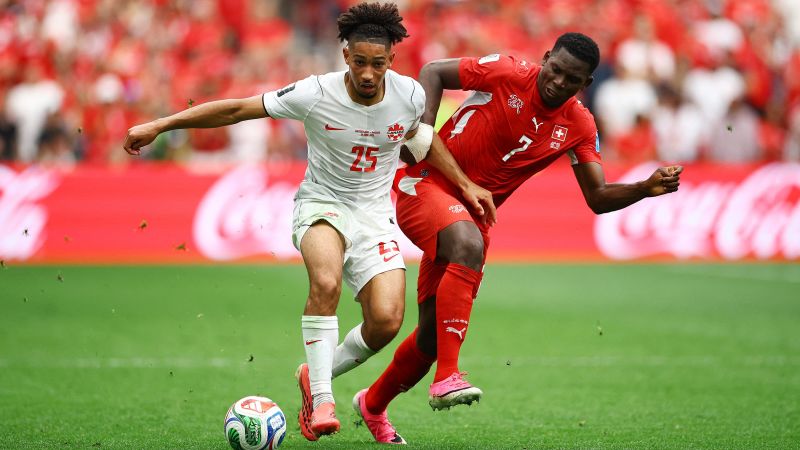
Canada Faces an Unprecedented World Cup Situation
Canada faces an unprecedented World Cup situation – Canada is entering a pivotal moment in the World Cup, as the knockout rounds begin. The group stage has concluded, ending a grueling three-week period filled with underdog stories and international rivalries. For fans, this transition brings both excitement and uncertainty—while the group games highlighted the underdog spirit, the knockout rounds are where the real drama unfolds. Canada, as one of the co-host nations, now stands at the crossroads of history and high-stakes football.
A New Chapter for Hosts
This year’s World Cup has broken tradition by placing Canada in a unique position. Their first knockout match will take place in Los Angeles, at SoFi Stadium, at 3 p.m. ET today. This marks the first time a host nation competes in a decisive World Cup game outside its own territory. Canada, who finished second in Group B, will face South Africa, a team that has long struggled to advance past the group stage. The decision to stage this match in the U.S. has sparked discussion, with some questioning FIFA’s logistics and others celebrating the opportunity for international exposure.
Canada’s journey to this point has been a tale of perseverance. Despite being eliminated from previous World Cups in 1986 and 2022, the team has defied expectations this year. Their 2-1 loss to Switzerland in the final group match secured a spot in the Round of 32, a first for the nation in decades. Meanwhile, Switzerland will host their own knockout clash in Vancouver, highlighting the geographical divide between co-host nations. This split raises questions about whether the World Cup should prioritize regional equity by keeping advancing teams within host countries.
The Global Reach of the 2026 World Cup
The 2026 World Cup has already set a precedent for future editions, with plans for the 2030 tournament further expanding the global footprint of the event. Matches will span South America, Europe, and North Africa, marking a shift toward a more interconnected format. Uruguay, the birthplace of the World Cup, will host its first game in Montevideo, while Argentina and Paraguay will play in Buenos Aires and Asunción respectively. This trend of hosting across continents will likely continue, making Canada’s situation just one of many in a more spread-out tournament.
For Canada, the World Cup represents a rare chance to elevate their international profile. Their ability to reach the knockout rounds in the U.S. underscores the team’s progress and the tournament’s evolving structure. The lack of home-field advantage, however, adds an extra layer of challenge. As the team prepares to take on South Africa, fans will be watching closely to see if Canada can capitalize on their hard-earned opportunity. This match is not just about advancing in the tournament—it’s about showcasing the nation’s growing role in global football.
“Until the last group-stage match, it looked as though Bafana Bafana would miss out again. They were blown away by Mexico in their final game, but a resilient performance against South Korea secured their place in the Round of 32.”
South Africa’s journey to this point has been equally compelling. After missing the knockout stages in 1998, 2002, and 2010, the team finally achieved a breakthrough this year. Their 1-0 victory over South Korea in the final group match was a turning point, proving that perseverance can pay off. For Canada, this match against South Africa is an opportunity to prove their place in the World Cup’s elite stage.
