
Saudi Aramco helicopter crash kills 14 nationals
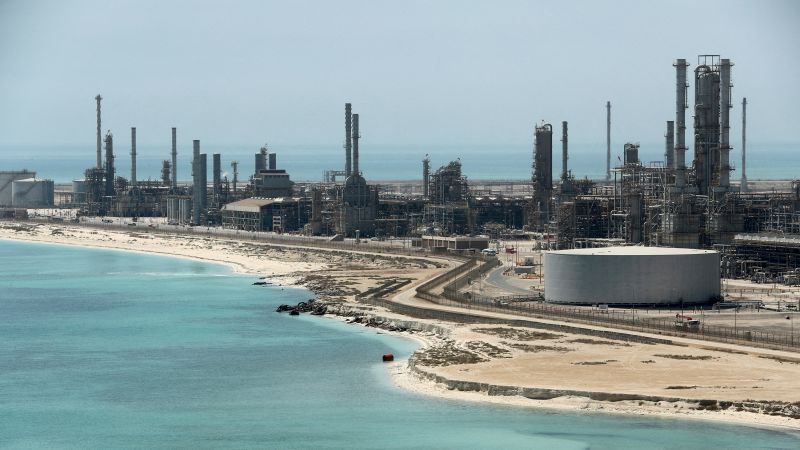
Helicopter Disaster at Ras Tanura Claims 14 Lives
Saudi Aramco helicopter crash kills 14 nationals – A catastrophic helicopter accident occurred on Sunday near the Ras Tanura terminal in Saudi Arabia’s eastern coastal region, approximately 400 kilometers west of the Strait of Hormuz. According to the state news agency, the incident resulted in the deaths of 14 Saudi nationals, though the exact cause remains to be determined. The crash took place at 6:00 a.m. local time, equivalent to 03:00 GMT, and the authorities have initiated a comprehensive inquiry into the event.
Resumption of Operations Amid Challenges
Just days prior to the tragedy, Saudi Aramco had resumed crude oil loading activities at its Ras Tanura terminal in the Gulf. This restart followed a nearly four-month suspension, which was attributed to operational adjustments and heightened security measures in the region. The terminal, a critical hub for the kingdom’s energy exports, plays a pivotal role in global oil markets, handling significant volumes of crude shipments. Its reopening signaled a strategic move to meet rising international demand and support regional energy supply chains.
Investigation Underway
The state news agency emphasized that a full investigation is being conducted to ascertain the cause of the crash. Officials have not yet disclosed specific details about the incident, including the helicopter’s model, the number of passengers on board, or whether mechanical failure or human error was involved. The agency also noted that the crash site is under examination, with efforts focused on recovering debris and analyzing flight data. This inquiry comes amid ongoing concerns about safety protocols in the oil and gas sector, particularly in areas prone to geopolitical tensions and extreme weather conditions.
“Relevant authorities have launched a full investigation to determine the cause of the crash,” stated the state news agency, underscoring the urgency of the situation. The remarks highlight the importance of transparency in the wake of such incidents, especially given the strategic significance of the region and the company’s role as a global energy leader.
Saudi Arabia, the world’s largest oil exporter, has intensified efforts to boost production and export capacity in recent months. This push aligns with broader regional initiatives to increase oil and gas output ahead of an interim deal aimed at easing tensions between the United States and Iran. The agreement, which seeks to temporarily halt hostilities in the Middle East, has prompted countries to expedite their energy operations, ensuring a steady supply to global markets.
Impact on Energy Sector and Regional Dynamics
The crash has raised questions about the safety of transport operations at Ras Tanura, a location that has become a focal point for energy logistics. While the exact circumstances of the incident are still unclear, the event underscores the risks associated with high-stakes industrial activities in volatile regions. Saudi Aramco, which operates the terminal, has not responded to an emailed request for immediate comment, leaving the public to await further updates from the state agency.
Analysts suggest that the increased oil production and export efforts in the Gulf are part of a larger strategy to stabilize energy prices and counterbalance geopolitical uncertainties. The interim US-Iran deal, while a temporary measure, has the potential to influence global oil dynamics for months, making the timely resumption of operations even more critical. However, the helicopter crash has introduced a new layer of complexity to these plans, prompting renewed scrutiny of safety standards and emergency protocols.
Global Significance of the Incident
With the Gulf region already under pressure to meet rising energy demands, the loss of 14 lives in this accident has sent ripples through the international oil market. The Ras Tanura terminal, situated on the eastern coast, is one of Saudi Arabia’s most vital assets, contributing to the country’s status as a key player in global energy production. The incident has also highlighted the interconnectedness of regional stability and energy supply chains, as disruptions in one area can have far-reaching consequences for the world economy.
As investigations continue, attention is shifting to the broader implications of the crash. The state news agency has not provided additional details, but officials have confirmed that the focus is on identifying the root cause and implementing preventive measures. This approach reflects a commitment to learning from the incident and ensuring that future operations are as safe as possible. Meanwhile, the global community watches closely, aware that the energy sector’s resilience is essential to navigating the challenges of the current geopolitical landscape.
Context of the Oil Industry and Strategic Goals
The crash at Ras Tanura occurs against the backdrop of a rapidly evolving oil industry landscape. Saudi Arabia, alongside other Gulf producers, has been ramping up output to meet the demands of a market increasingly reliant on Middle Eastern energy resources. The interim US-Iran deal, set to take effect in the coming weeks, is expected to reduce tensions and allow for more stable trade relations, which could further boost production levels. However, the accident serves as a reminder of the risks inherent in such ambitious goals, particularly in areas where security and logistics are paramount.
The terminal’s location near the Strait of Hormuz, a crucial maritime passage for global oil shipments, adds to the gravity of the incident. This strait, through which a significant portion of the world’s oil flows, has been a frequent flashpoint for geopolitical conflicts. The crash, while not directly linked to these tensions, has heightened awareness of the vulnerabilities faced by energy infrastructure in the region. For Saudi Aramco, the company must now balance its operational objectives with the need to ensure the safety of its personnel and equipment.
Broader Implications for Energy Security
The event has sparked discussions about the importance of diversifying energy transport routes and enhancing contingency planning. With the Gulf’s oil and gas industry playing a central role in global supply, any disruption—whether due to natural causes or human error—can have immediate and far-reaching effects. The state news agency has reiterated that the investigation will take precedence, but the incident has already prompted questions about the adequacy of current safety measures and the resilience of the sector.
In the days following the crash, Saudi Arabia’s energy ministry is expected to release further information, including details about the helicopter’s maintenance history and the conditions at the time of the incident. The ministry will also likely address the impact on operations, as the terminal’s capacity is vital to the kingdom’s energy strategy. Despite the setback, the company remains committed to its goal of maintaining a competitive edge in the global oil market, with plans to continue its operations as soon as possible.
Meanwhile, international stakeholders are closely monitoring the situation, recognizing the potential ripple effects of the crash on both regional and global energy markets. The incident has reinforced the need for robust safety protocols and emergency response mechanisms, especially in a sector that is constantly adapting to new challenges. As the investigation unfolds, the world will await the findings that could shape future policies and practices in the oil and gas industry.
Conclusion and Future Outlook
The helicopter crash at Ras Tanura marks a significant event in Saudi Arabia’s energy sector, with far-reaching implications for both operations and safety standards. While the cause of the accident remains under review, the loss of 14 lives has highlighted the importance of vigilance in an industry that is as vital as it is complex. As the state news agency continues its investigation, the focus will shift to understanding how such an incident can be prevented in the future. For Saudi Aramco, the challenge is to maintain its position as a leading energy provider while addressing the concerns raised by this tragedy. The outcome of the inquiry will not only impact the company’s immediate operations but also serve as a case study for the broader energy sector in the years to come.
