
‘As soon as I see the sun, I’m frightened’: The parents paying the heart-breaking price of soaring temperatures
Parents Fear ‘As Soon as I See the Sun’ as Europe’s Heatwave Drowns Children
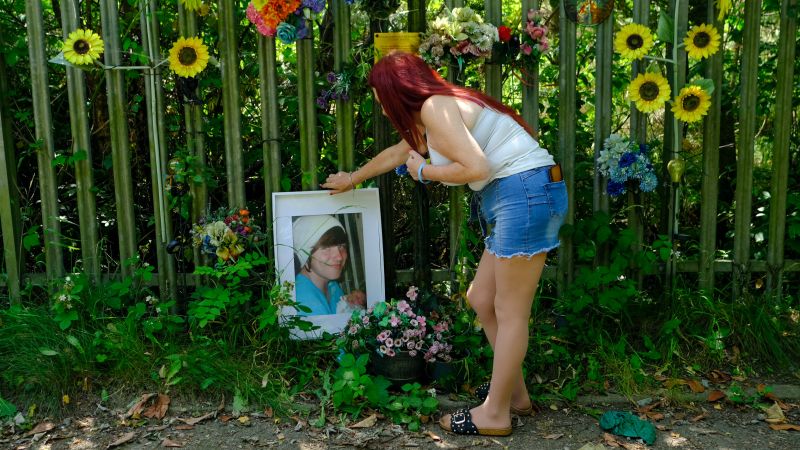
As soon as I see the sun, I’m frightened—this is the chilling refrain from parents across Europe, now facing a growing crisis as record-breaking heatwaves push children into life-threatening situations. In the UK, where June 2026 became the hottest month on record, families are struggling to balance the allure of warm weather with the dangers it brings. Beckie Ramsay, a mother of four, recalls the day her 13-year-old son Dylan drowned in a quarry near Chorley, northern England, during a July afternoon that scorched the landscape and claimed more than just heat. Her voice shakes as she describes the moment the sun’s warmth became a deadly trap.
Heat as a Silent Killer: The Hidden Risk
The tragedy of Dylan’s death is emblematic of a broader trend. Since 2021, over 200 children have drowned in open water sources across Europe, driven by a combination of soaring temperatures and a lack of awareness. Parents like Ramsay are now vigilant, placing warning signs at local waterways and monitoring weather forecasts with a sense of dread. “As soon as I see the sun, I’m thinking of the risks,” she said, highlighting the emotional toll of these incidents. The heatwave has turned once-safe recreational areas into potential hazards, especially for young children who are more susceptible to rapid temperature changes.
Scientific studies reinforce this fear. A report from the UK’s Royal Life Saving Society (RLSS) found that the chance of drowning increases by 7% for every 1°C rise in daily maximum temperatures. This year, as heatwaves have intensified, the data shows a 20% surge in drowning cases compared to the previous decade. In France, where the highest temperature on record was recorded this week, officials noted that at least 55 people—most under 18—drowned in the past ten days. The sun’s presence, once a symbol of joy, now evokes unease as parents question whether it’s safe to let their children play.
From Swimming Skills to Sun-Induced Vulnerability
Even experienced swimmers are not immune to the dangers of extreme heat. Dylan Ramsay, who had strong swimming abilities, succumbed to cold water shock after entering the quarry. This phenomenon, which can overwhelm the body within seconds, occurs when water temperatures remain below 15°C (59°F), a condition that persists despite sweltering air. “As soon as I see the sun, I’m reminded that the water can still be freezing,” said Mike Tipton, a physiology professor at the University of Portsmouth, explaining how the disparity between air and water temperatures creates a lethal scenario.
The heatwave has amplified the risk of cold water shock, particularly in regions where rivers, lakes, and quarries are used as cooling spots. Parents now emphasize the importance of teaching children to recognize signs of heat exhaustion and the shock of sudden temperature drops. “As soon as I see the sun, I’m checking if the water is safe,” said one mother in London, where child drowning rates have risen by 80% since 2023. The connection between heat and water-related deaths is no longer coincidental—it’s a growing concern that demands urgent action.
Advocacy Born from Grief: Campaigns for Safer Summer Play
Beckie Ramsay, whose grief has turned into a powerful movement, has partnered with local authorities to launch a water safety initiative. “As soon as I see the sun, I’m reminded of the lives lost,” she said, describing her efforts to integrate safety education into England’s national curriculum. The program, set to debut in September 2026, aims to teach children about the dangers of open water and how to respond to sudden temperature changes. Her work echoes that of Simon Haycock, whose 16-year-old son Sam drowned in a reservoir near Rotherham in May 2023. Haycock now leads the charity Sam’s Army’s Mission 1 Life, distributing life jackets and educating schools about the risks of summer heat.
These parents are not only raising awareness but also lobbying for policy changes. In France, where 1,418 drowning cases were reported last summer—a 14% increase over 2022—advocates are pushing for more signage and safety measures at water sources. “As soon as I see the sun, I’m on high alert,” said a parent in Lyon, who now ensures that children are accompanied during water activities. Their stories underscore a shared determination to prevent future tragedies, transforming personal loss into a collective call for action.
Climate Change and the Unavoidable Toll
The escalating heatwaves are a direct result of climate change, which has accelerated temperature rises across Europe. Scientists warn that the continent is warming faster than any other, increasing the frequency and severity of extreme weather events. “As soon as I see the sun, I’m aware that this is a new normal,” said Ramsay, who has seen the effects of climate change firsthand. The combination of sweltering days and dangerously cold water has created a dangerous dichotomy, one that parents are now actively addressing through education and advocacy.
While the situation is dire, experts emphasize that awareness can mitigate risk. “As soon as I see the sun, I’m reminded that preparation is key,” Tipton noted, urging parents to teach children how to stay safe. The lessons learned from past tragedies are now shaping a new approach to summer safety, ensuring that the sun’s warmth no longer comes at the cost of lives. With more families united by their fear, the hope is that the next generation will be better equipped to navigate the challenges of a hotter world.
