One way to improve your sleep? Imitate the habits of hunter-gatherers

One way to improve your sleep? Imitate the habits of hunter-gatherers
One way to improve your sleep – Modern sleep recommendations often emphasize the importance of eight hours of uninterrupted rest in a cool, dimly lit environment. These guidelines, backed by scientific consensus, suggest that adhering to such a routine can enhance longevity and overall well-being. Yet, according to the recent publication *The Sleepless Ape: The Story of Sleep in Human Evolution*, this idealized approach diverges from the reality of how our species historically experienced sleep. Anthropologist David Samson, the book’s author and associate professor at the University of Toronto, challenges contemporary assumptions by tracing the evolution of human sleep through ancient practices and primate behavior.
The Evolutionary Shift in Sleep Patterns
Samson’s research reveals that early humans developed distinct sleep habits, which allowed them to allocate more time to activities crucial for survival and advancement. Unlike their more ape-like predecessors, who relied on arboreal shelters for safety, modern humans have adapted to sleeping on the ground, a transition driven by innovations like shelter, fire, and social cooperation. This change, he argues, created a “new innovative space for sleep,” enabling deeper rest and greater flexibility in sleep schedules. The concept of the “shell” emerges as a central metaphor in his work, representing the protective environment that early human communities provided, allowing for extended periods of restful sleep.
“Sleep governs so much of our mental and physical performance throughout the day,” Samson told CNN. “How is it then that we are the shortest sleeping primate on the planet?”
Samson’s findings suggest that the shift from tree-dwelling to ground-based sleep was pivotal in shaping human evolution. By studying chimpanzee nests in the wild, he gained insights into how early primates managed their rest while mitigating threats. These nests, constructed from branches and leaves, offered insulation against temperature fluctuations and protection from predators. However, human ancestors took this concept further by creating communal sleeping arrangements that combined safety, warmth, and social bonding. This innovation, he explains, allowed for more efficient sleep cycles and freed up time for complex tasks such as tool creation, long-distance travel, and cooperative hunting.
The Paradox of Human Sleep
Samson’s book delves into a fascinating paradox: humans sleep less than other primates yet spend a disproportionately high amount of time in REM sleep, the stage linked to vivid dreaming and cognitive processing. This phenomenon, he notes, is not just a biological quirk but a key factor in our species’ evolutionary success. “REM sleep is famously associated with creativity and innovation,” he explains. “It’s a critical phase for problem-solving and learning, which would have been essential for early humans to thrive.”
According to the book, the transition to ground-based sleeping created a safer environment for extended REM cycles. In contrast, earlier primates like chimpanzees and gorillas were more vulnerable to predators, necessitating shorter, more fragmented sleep periods. The “shell” analogy, Samson argues, captures this shift: early human camps, with their mix of age groups and roles, functioned as a collective safeguard, reducing the need for constant vigilance. This dynamic allowed individuals to rest deeply while others remained alert, a system that maximized group efficiency and individual recovery.
Chimpanzee Beds and Human Evolution
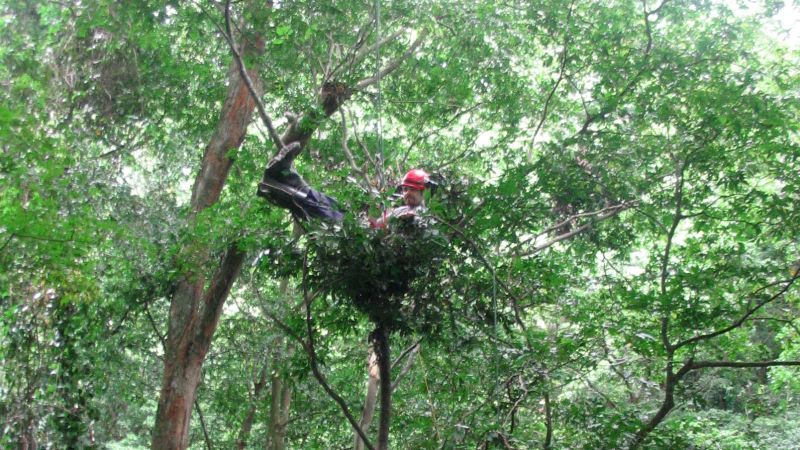
Samson’s methodology involved direct observation of primate sleeping habits, including climbing trees to examine chimpanzee nests. His work highlights how these nests served as both a physical and psychological refuge, shielding primates from environmental stressors and predators. “By measuring their beds in situ, I could glimpse into the lives of chimpanzees,” he said. “This gave me a deeper understanding of how sleep patterns evolved in response to ecological pressures.”
The book’s title, *The Sleepless Ape*, reflects this evolutionary divergence. Samson explains that it took over a decade of sleep studies to gather sufficient data, which ultimately showed that humans sleep significantly less than predicted by primate models. While these models expected humans to sleep around 10.5 hours, the average across cultures is closer to seven. This discrepancy, he argues, positions humans as an evolutionary outlier—unique in both their sleep duration and the proportion of REM sleep they experience.
“It took about 15 years to get the prerequisite number of primate sleep studies to be able to actually run these stats,” Samson said. “And it turns out these models were predicting that humans should sleep 10½ hours. I don’t know about you, but I certainly don’t sleep that long. The human average across cultures is probably something like seven hours.”
The implications of this research extend beyond academic curiosity. Samson believes that understanding our ancestral sleep patterns can offer practical solutions for modern sleep deprivation. “Many readers assume that isolation from stimuli is necessary for quality sleep,” he noted. “But in small-scale environments, like hunter-gatherer camps, there’s a pervasive sense of safety that allows for deeper, more restorative rest.”
Applying Ancient Wisdom to Modern Life
Samson’s work underscores the importance of creating a “shell” in today’s fast-paced world. This could mean designing sleep-friendly environments that mimic the protective aspects of ancient camps, such as reducing noise, optimizing light exposure, and fostering social rhythms that support rest. He also highlights the value of flexible sleep schedules, which align with the natural variability of ancestral patterns rather than rigid, standardized hours.
“Our ancestors’ sleep habits fostered survival, innovation, and shaped our species’ behavior in pivotal ways,” Samson emphasized. “By studying these practices, we can reclaim some of the benefits they offered.” For instance, the communal aspect of sleep in early human groups may have promoted emotional resilience and cognitive adaptability—qualities that remain vital in today’s society. Similarly, the integration of environmental cues, such as natural light and temperature changes, could help modern individuals regulate their circadian rhythms more effectively.
Samson’s insights challenge the notion that sleep should be a solitary, uninterrupted act. Instead, he presents a model where sleep is an adaptive, dynamic process influenced by social and environmental factors. This perspective not only redefines our understanding of sleep’s evolutionary role but also provides a framework for improving sleep quality in contemporary life. As he puts it, “The story of human sleep is not just about rest—it’s about survival, creativity, and the unique ways we’ve evolved to thrive.”
Through his interdisciplinary approach, blending anthropology, biology, and behavioral science, Samson offers a compelling narrative that bridges the past and present. His research suggests that by revisiting the practices of our ancestors, we can unlock new strategies for better sleep and, by extension, a healthier, more vibrant life. As the world grapples with sleep disorders and chronic fatigue, the lessons from *The Sleepless Ape* may serve as a valuable guide for reclaiming the sleep that once defined human evolution.