US-backed democracy talks start in Venezuela without Nobel laureate Machado

Daftar Isi
Venezuela Enters New Chapter as US-Mediated Democracy Talks Begin in Caracas
Goldlaner.com – Caracas has become the stage for a potentially transformative moment in Venezuelan politics as government representatives and opposition figures gathered Thursday for negotiations that could reshape the nation’s democratic future. These discussions, backed by Washington, arrive after weeks of anticipation and represent what many analysts view as the most consequential political dialogue in recent Venezuelan history.
The timing could not be more significant. Following months of diplomatic maneuvering that culminated in the removal of President Nicolás Maduro, the United States has positioned itself as both facilitator and guarantor of this transition process. The American presence extends beyond mere observation—Washington has actively shaped the parameters of these talks and maintains substantial leverage over both Venezuelan factions.
Key Players Take Center Stage
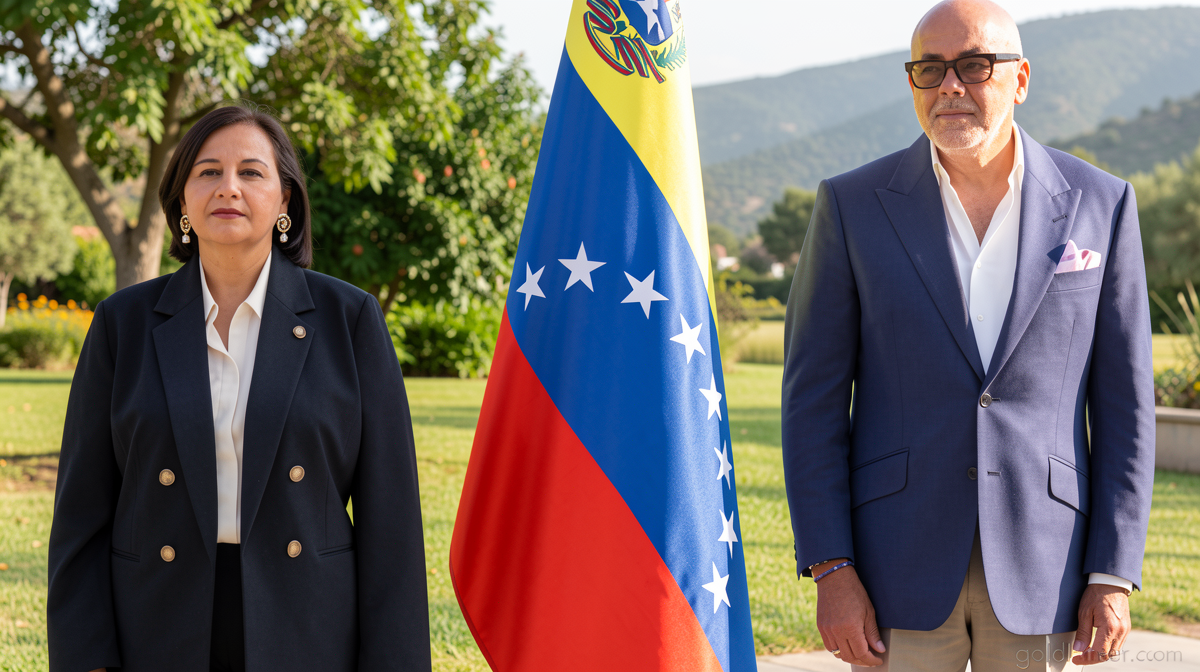
Leading the government delegation is Jorge Rodríguez, who serves as president of the current National Assembly. His position carries additional weight as the brother of Delcy Rodríguez, who currently serves as acting president of Venezuela. This familial connection underscores the government’s commitment to presenting a unified front during negotiations.
On the opposition side, Dinorah Figuera commands attention as the bloc’s principal representative. Her leadership role reflects her extensive political experience and her position as a bridge between Venezuela’s democratic opposition and international partners. The opposition delegation consists primarily of former members from the 2015 National Assembly—the last legislative body that Washington recognized as legitimate before the current political realignment.
Two prominent opposition voices remain notably absent from these proceedings. María Corina Machado and Edmundo González Urrutia, both of whom have played crucial roles in Venezuelan opposition politics, continue to reside in exile. Despite their physical absence, both leaders have publicly committed to monitoring the negotiations closely and expressed optimism that these talks will ultimately produce free and fair elections.
A Different Kind of Negotiation
What distinguishes this round of discussions from previous attempts is the unprecedented level of American involvement. Since 2013, Venezuela has witnessed more than twelve separate negotiation efforts between government and opposition representatives, yet none have delivered substantive outcomes. This time, however, the United States has moved beyond passive support to become an active architect of the process.
The American strategy encompasses three interconnected phases designed to stabilize Venezuela’s political landscape, stimulate economic recovery, and establish the foundations for democratic transition. Ultimately, these efforts aim to create conditions for new elections that could legitimize Venezuela’s political future.
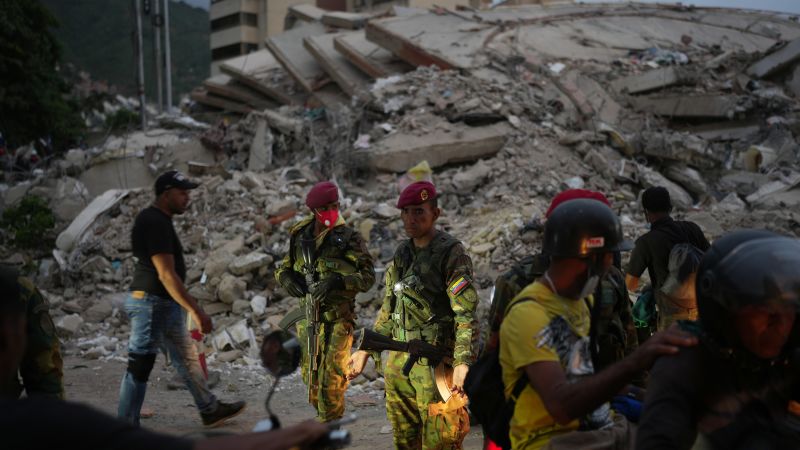
Both negotiating sides have identified three priority areas for discussion. The first addresses the humanitarian response to devastating earthquakes that struck Venezuela in June, claiming numerous lives and displacing thousands. The second focuses on strengthening democratic institutions and practices. The third centers on guaranteeing political rights for all citizens, regardless of their affiliation.
“The strings of this negotiation are not being pulled by the government, but by the State Department. And that is becoming increasingly clear, no matter how much they try to disguise it and make it less obvious,” said Carmen Beatriz Fernández, director of the consulting firm DataStrategia.
Structural Reforms on the Table
Upon arriving in Venezuela on Wednesday evening, Figuera outlined several structural reforms that will feature prominently in the negotiations. Among the most significant is the potential restructuring of Venezuela’s electoral oversight body, which both sides agree requires transformation to become “credible and reliable.” Additionally, Figuera confirmed that reforms to the Supreme Court of Justice will receive substantial attention during the talks.
The timeline for these negotiations suggests patience will be essential. Figuera told Venezuelan network Televen that the process would require time, with the comprehensive results potentially being formally presented in December. This extended timeline reflects the complexity of the issues at hand and the need for thorough deliberation.
The United States Embassy in Caracas issued a statement welcoming the proceedings and reaffirming Washington’s commitment to supporting Venezuelan-led efforts. The statement emphasized three core objectives: strengthening democratic institutions, expanding political freedoms, and promoting a more stable and prosperous future for Venezuela’s citizens.
Historical Context and Future Implications
Dinorah Figuera brings considerable experience to her role as opposition leader. A cancer survivor, she began her political career as a councilor of the Libertador Municipality of Caracas between 1995 and 2000. Her ascent continued with her election as deputy for Caracas in the National Assembly in 2010, followed by her selection as deputy for Aragua state in 2015.
Figuera’s political journey took an unexpected turn in 2018 when she went into exile in Spain following alleged threats and harassment by the Venezuelan government. Her return to prominence came during the opposition movement led by Juan Guaidó between 2019 and 2023, which mounted an unsuccessful challenge against Maduro but enjoyed the backing of then-President Donald Trump during his first term.
In January 2023, former opposition deputies from the 2015 National Assembly elected Figuera as president of the legislative body. This designation came just days after the Venezuelan government issued arrest warrants and a red alert for five former opposition deputies, including Figuera, accusing them of “usurpation of functions, treason, money” and other offenses.
Christopher Sabatini, director of the Latin America program at the Chatham House think tank, emphasized that the United States government now possesses “real influence over both parties this time.” He noted that this influence manifests through “economic, political and even legal” mechanisms, including sanctions and other restrictions that affect government officials. Additionally, Figuera’s selection as the opposition’s main delegate demonstrates American input into the opposition’s internal dynamics.
Despite this American influence, Jorge Rodríguez maintains that Venezuela’s evolving relationship with the United States rests on diplomatic and commercial cooperation rather than subordination or foreign interference. This perspective reflects the government’s effort to frame the negotiations as a partnership rather than an imposition.
US Secretary of State Marco Rubio clarified in mid-July that these talks extend beyond simple reconciliation. He characterized them as the beginning of what he termed a transition process, one in which Washington would play an active and ongoing role. This distinction matters significantly, as it signals that American involvement will continue beyond the immediate negotiations.
The implications of these talks extend well beyond Venezuela’s borders. As a major oil producer and a nation with significant regional influence, Venezuela’s political trajectory affects Latin American stability, international energy markets, and the broader struggle between democratic and authoritarian governance models. The success or failure of these US-backed negotiations could set precedents for how external powers engage with nations undergoing political transformation.
As Caracas prepares for what may prove to be a defining moment in its modern history, all eyes remain on the negotiations. Whether these talks deliver the democratic transition that many Venezuelans have long awaited remains to be seen, but the presence of American backing and the participation of key opposition figures suggest that this attempt carries greater potential for success than previous efforts.
Related Reading
Frequently Asked Questions
What is US backed democracy talks start in Venezuela?
US backed democracy talks start in Venezuela is the main topic of this guide. The article explains the context, practical details, and next steps readers should understand.
Why does US backed democracy talks start in Venezuela matter?
US backed democracy talks start in Venezuela matters because readers are looking for a useful answer, not just a short summary. Good content should match search intent and help them decide what to do next.