
Trump meeting with Gulf leaders as he weighs latest Iran proposal to end the war
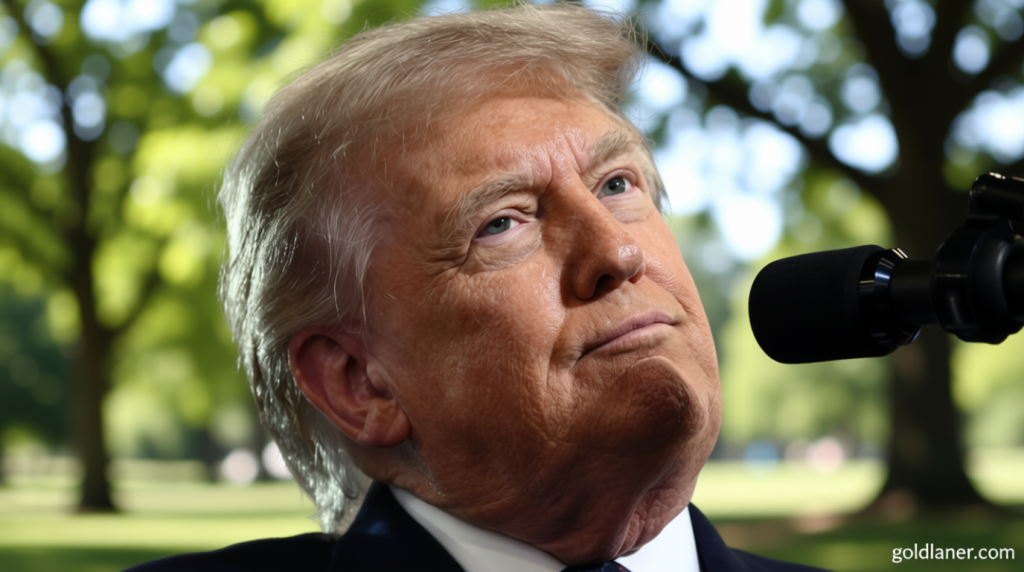
Trump Engages Gulf Leaders Amid Iran’s Latest Proposal for Conflict Resolution
Trump meeting with Gulf leaders as he – On Saturday afternoon, U.S. President Donald Trump convened with Gulf Cooperation Council leaders and other regional figures to evaluate Iran’s most recent offer for peace, according to an insider. Concurrently, diplomats in Tehran indicated progress toward a potential agreement, signaling a developing framework for resolution. The discussions, which took place amid heightened tensions in the Middle East, were framed as a critical juncture in Trump’s strategy to either broker a truce or escalate military pressure on Iran.
During a phone interview with Axios, Trump noted the prospects of a deal with Iran as “a solid 50/50” before engaging with Gulf leaders, hinting that a decision on whether to continue military operations against Iran might be made by Sunday. The president emphasized that the talks could either yield a favorable outcome or result in the U.S. taking decisive action against Iran, describing the two paths as “good” or “blow them to kingdom come.” This dichotomy underscores the high stakes of the negotiations, where a diplomatic resolution could shift the balance of power in the region.
Mediation Efforts and Regional Perspectives
Earlier Saturday, U.S. and Iranian officials hinted at advancing toward a framework agreement to end the war, following discussions in Tehran led by mediators from Qatar and Pakistan. A regional source confirmed that the U.S. and Iran were narrowing their differences, with the goal of laying the groundwork for a more comprehensive deal. “There may be news later today. I don’t have news for you at this very moment, but there might be some news a little later today. There may not be. I hope there will be, but I’m not sure yet,” said U.S. Secretary of State Marco Rubio during a press conference in New Delhi.
“There may be news later today. I don’t have news for you at this very moment, but there might be some news a little later today. There may not be. I hope there will be, but I’m not sure yet,” said U.S. Secretary of State Marco Rubio.
The meeting with Gulf leaders was expected to include representatives from Pakistan, Turkey, and Egypt, as reported by a regional source. Trump also planned to speak with his envoy Steve Witkoff and advisor Jared Kushner, his son-in-law, to further assess the proposal. This alignment of regional stakeholders reflects the broader diplomatic strategy to address Iran’s influence across multiple fronts.
Israeli Involvement and Strategic Shifts
Separately, Israeli Prime Minister Benjamin Netanyahu was set to hold a limited security consultation on Saturday evening with selected ministers and military officials. The session aimed to analyze the evolving dynamics of Iran negotiations and their potential impact on regional security, as shared by an Israeli source with CNN. Netanyahu’s focus highlights the interconnectedness of the conflict, where Israel’s interests in preventing Iranian nuclear advancements remain central.
Trump’s engagement with regional leaders follows a Friday meeting with top U.S. national security officials, where he outlined his next steps in the war. These discussions underscored the possibility of resuming combat operations, with the administration weighing both military and diplomatic options. Rubio, who has been a key figure in the talks, reiterated that behind-the-scenes efforts are ongoing, with Washington prioritizing Iran’s nuclear capabilities and its stockpiles of enriched uranium.
“Even as I speak to you now, there’s some work being done,” Rubio said. “There is a chance that, whether it’s later today, tomorrow, in a couple days, we may have something to say.”
Despite the optimism, Trump’s comments to CBS News revealed cautious confidence. He mentioned having seen a draft of Iran’s proposal and acknowledged that both sides are “getting a lot closer” to an agreement, as relayed by Nancy Cordes, a CBS correspondent. However, Trump remained noncommittal on his final decision, stating, “I can’t tell you before I tell them, right?” This ambiguity suggests the proposal is still under intense scrutiny.
Domestic Concerns and Political Backing
As the negotiations progressed, political caution emerged from key figures in the Republican Party. Mississippi Senator Roger Wicker, chair of the Senate Armed Services Committee, warned that the deal could shape Trump’s legacy, urging the president to “finish what we started.” Wicker criticized any agreement that might appear weak, stating, “Further pursuit of an agreement with Iran’s Islamist regime risks a perception of weakness.”
“His instincts have been to finish the job he started in Iran, but he is being ill advised to pursue a deal that would not be worth the paper it is written on,” Wicker wrote Friday. “Further pursuit of an agreement with Iran’s Islamist regime risks a perception of weakness.”
South Carolina Senator Lindsey Graham, another prominent Iran hawk, expressed concerns about Iran’s growing dominance. “This combination of Iran being perceived as having the ability to terrorize the Strait in perpetuity and the ability to inflict massive damage to Gulf oil infrastructure is a major shift of the balance of power in the region and over time will be a nightmare for Israel,” Graham posted on X Saturday.
The Iranian foreign ministry provided additional context, stating that Tehran had focused on finalizing a memorandum of understanding through Pakistani-mediated talks. This document would address ending the war, lifting the U.S. naval blockade, and releasing blocked assets, but not necessarily resolve the nuclear issue. “Sanctions are definitely part of the negotiation topics, but since we are not discussing the nuclear issue at this stage, there will be no negotiation on the details of lifting sanctions either,” Foreign Ministry spokesman Esmail Baghaei told semi-official FARS news agency.
Pathways Forward and Regional Implications
With the talks entering a pivotal phase, the U.S. and Iran appear to be aligning on several key points, though disagreements persist. The Gulf leaders’ involvement is critical, as their support could bolster the proposal’s credibility. Meanwhile, Vice President JD Vance was observed arriving at the White House on Saturday, signaling continued internal coordination on the issue.
As the framework develops, the broader implications for the region remain uncertain. A successful agreement could reduce hostilities and stabilize the Gulf, but it might also signal a strategic retreat from U.S. military dominance. Conversely, a decision to resume attacks could embolden Iran’s allies and intensify the conflict. The outcome hinges on Trump’s ability to balance immediate gains with long-term consequences, a challenge that has defined his approach to Middle Eastern diplomacy.
With the deadline for a decision approaching, the administration’s focus remains on securing terms that align with its national interests. The Gulf’s role in this process is undeniable, as the region’s leaders are both partners and potential beneficiaries of the proposed resolution. The coming days will determine whether this framework becomes a lasting accord or a temporary reprieve in an ongoing struggle for regional influence.
