
A second Ebola treatment center is set ablaze in eastern DR Congo, with 18 suspected cases fleeing
A Second Ebola Treatment Center Set Afire in Eastern DR Congo, 18 Suspected Cases Now Unaccounted
A second Ebola treatment center is set – In the wake of escalating tensions, a second Ebola treatment center in the Democratic Republic of Congo (DRC) was targeted by local residents, sparking panic and forcing the escape of 18 individuals suspected of carrying the virus, according to reports from Saturday. The incident, which occurred in the town of Mongbwalu, marks the second such attack in the region within a week, as community unrest continues to challenge containment efforts.
The attack targeted a tent at a health facility operated by Doctors Without Borders, where patients with suspected Ebola infections were being treated. Dr. Richard Lokudi, the hospital director in Mongbwalu, stated that the residents arrived at the clinic on Friday night and set the tent ablaze. “We strongly condemn this act, as it caused panic among the staff and also resulted in the escape of 18 suspected cases into the community,” he added, emphasizing the disruption to care.
“We experienced a lot of difficulties, including resistance from young people and the community,” said David Basima, a Red Cross team leader overseeing burials in Rwampara. “We were forced to alert the authorities so that they could come to our aid, just for safety.”
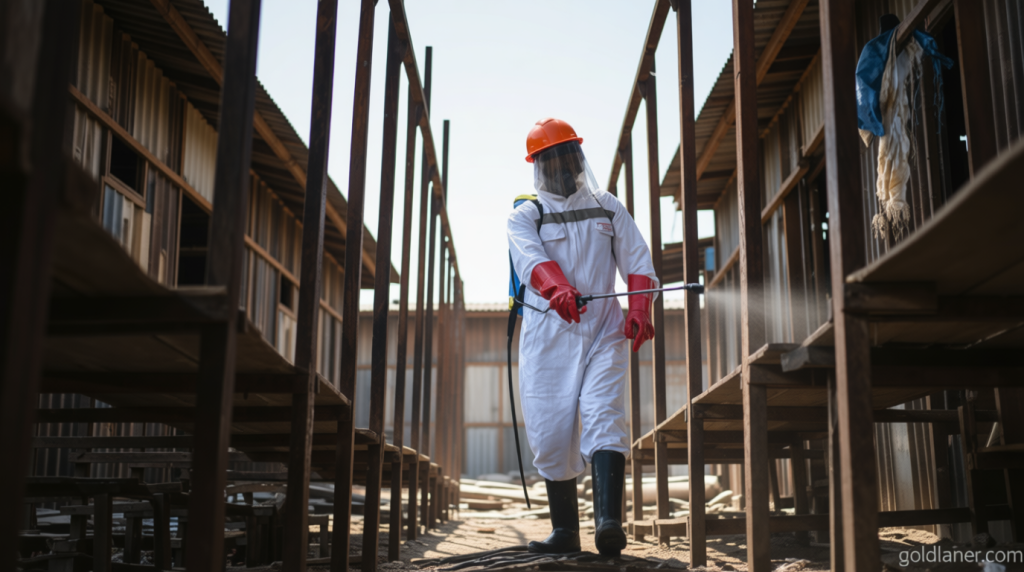
Meanwhile, in Rwampara, a treatment center was also destroyed on Thursday after family members were denied access to the body of a man suspected to have died from Ebola. This led to protests and further complications in managing the outbreak. The Red Cross conducted a communal burial on Saturday under strict security, with armed soldiers and police monitoring the process. Healthcare workers, dressed in white protective suits, lowered sealed coffins into the ground, while families watched from a distance.
The WHO has classified the current outbreak in the DRC as posing a “very high” risk, a step up from its previous “high” rating. However, the global spread of the disease remains unlikely, according to the agency’s latest assessment. Tedros Adhanom Ghebreyesus, the WHO’s director-general, noted that 82 confirmed cases and seven deaths have been recorded, though the outbreak is believed to be much larger. “There are no available vaccines for the Bundibugyo virus,” he explained, highlighting the challenges of combating this rare strain.
The Bundibugyo virus, which is less common than other Ebola variants, spread undetected in DR Congo’s Ituri province for weeks after the first known death. Authorities initially tested for the more prevalent Ebola virus and found no evidence, allowing the outbreak to grow. As of now, there are 750 suspected cases and 177 suspected deaths, with more cases anticipated as surveillance efforts expand.
Dr. Jean Kaseya, director-general of the Africa Centers for Disease Control and Prevention, underscored the importance of community trust in addressing the crisis. “A response to the outbreak must include building trust with communities,” he said, pointing to the need for collaborative efforts between health workers and local populations. This sentiment is echoed by the International Federation of Red Cross and Red Crescent Societies, which reported that three of its volunteers in Mongbwalu have succumbed to the outbreak.
The deaths of the Red Cross workers occurred during a humanitarian mission unrelated to Ebola, as they handled dead bodies in the region. The agency believes the virus was contracted on March 27 while performing these duties. If confirmed, this would shift the timeline of the outbreak back by several weeks, contradicting the earlier confirmed death in late April in Bunia, the capital of Ituri.
Community resistance to burial practices has been a recurring issue, as the bodies of Ebola victims can remain infectious. Families often prepare burials and gather for funerals, which can inadvertently spread the virus. Authorities have implemented restrictions, such as banning funeral wakes and gatherings exceeding 50 people, to mitigate this risk.
Despite these measures, local tensions persist, with residents frequently protesting against health protocols. The burning of treatment centers has not only displaced patients but also raised concerns about the effectiveness of containment strategies. Health workers, already stretched thin, face additional challenges in maintaining public confidence and ensuring compliance with safety measures.
As the situation evolves, the focus remains on rapid response and communication. The African CDC and WHO continue to collaborate, monitoring the outbreak’s progression and adjusting strategies accordingly. Meanwhile, the DRC’s health infrastructure is under pressure, with limited resources to manage the growing number of suspected cases and deaths.
The recent attacks serve as a reminder of the complex dynamics at play in the region. While the Bundibugyo virus is a significant threat, the actions of residents highlight the broader struggle between public health measures and cultural practices. This conflict underscores the need for a multifaceted approach to controlling the outbreak, combining medical intervention with community engagement and education.
