
‘Senators are not happy’: How Trump pushed the GOP to the breaking point this week
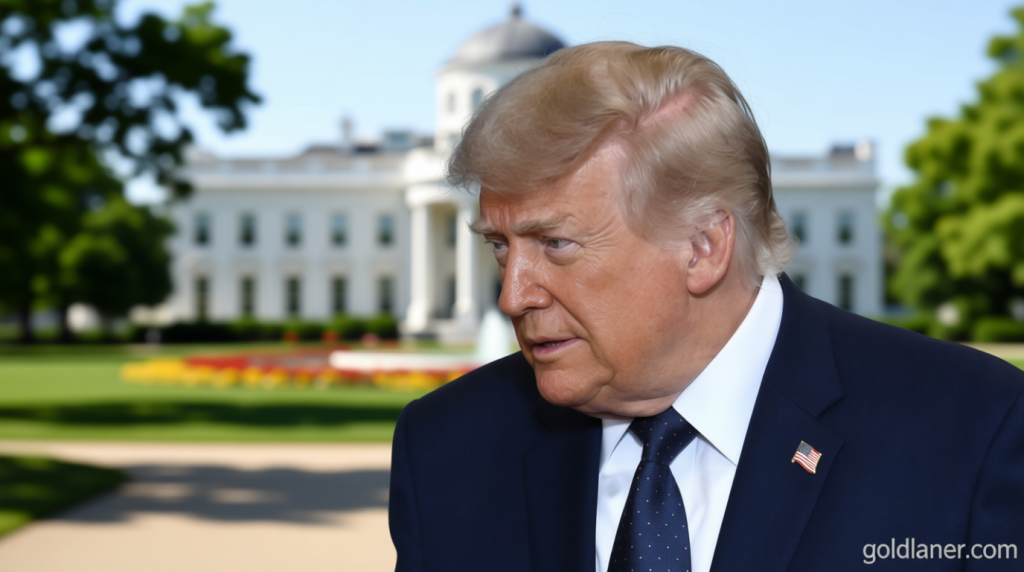
White House Tensions Escalate as Trump’s Anti-Weaponization Fund Sparks GOP Dissent
Senators are not happy – President Donald Trump’s alliance with Senate Republicans has deteriorated significantly, with a recent dispute over his $1.8 billion “anti-weaponization” fund exposing deep rifts within the party. The controversy, which erupted this week, has left lawmakers increasingly frustrated, as they grapple with the president’s shifting priorities and his apparent disregard for their strategic goals. Capitol Hill insiders report that the fund has become a flashpoint, with GOP senators and aides expressing alarm over its potential to undermine their influence in the midterm elections.
Revolts and Rulings Highlight GOP Struggles
The breakdown in relations reached a critical juncture when Senate Republicans publicly rebuked the fund, signaling a growing resistance to Trump’s agenda. During a tense Friday meeting, the president and his closest advisors vented their anger at the backlash, while GOP aides on Capitol Hill criticized the initiative as another White House misstep. “The president is making it as hard as humanly possible,” said one senior Senate aide, who described the situation as a true unified front. “All 53 Republican senators are not happy right now.” This sentiment underscores a broader concern: that Trump’s focus on personal matters is diverting attention from the party’s core issues and threatening its electoral prospects.
“The president is making it as hard as humanly possible,” said one senior GOP Senate aide. “This is a true unified front. All 53 Republican senators are not happy right now.”
The conflict has also disrupted the Republicans’ efforts to advance a major immigration bill by June 1, as Trump had demanded. The timeline for passing this legislation was thrown into disarray when the president’s insistence on including the anti-weaponization fund in the broader package stalled progress. Now, with six months until the midterms, senators who have grown weary of internal bickering are warning that the situation could worsen. “Unless there’s some sort of come to Jesus moment in the White House, I don’t know how the calculus changes,” said a person familiar with Senate dynamics. “The rebellious nature has really ticked up this week.”
Personal Projects and Retribution Campaigns
Trump’s latest moves have intensified frustrations among lawmakers, who view his actions as prioritizing personal interests over the party’s needs. In recent days, the White House has pressured Senate Republicans to approve $1 billion for funding Trump’s new ballroom and the Secret Service, a decision many believe reinforces voters’ perception of the GOP as out of touch. The parliamentarian’s ruling that the money couldn’t be incorporated into the legislative package has only heightened tensions, prompting Trump to publicly demand her removal. “Even the must-pass stuff is starting to get hijacked by things like the ballroom,” said one Senate aide. “From a morale standpoint, that doesn’t help.”
“Even the must-pass stuff is starting to get hijacked by things like the ballroom,” said one person familiar with the Senate dynamics. “From a morale standpoint, that doesn’t help.”
The anti-weaponization fund’s creation also highlighted the president’s ongoing retribution campaigns. Earlier this week, Trump celebrated the ouster of GOP Sen. Bill Cassidy, a target of his allies for voting to convict him in his first impeachment trial. Meanwhile, he endorsed Ken Paxton, a challenger in Texas’s upcoming primary runoff, over John Cornyn, a respected senator who had previously supported Trump’s agenda. This shift, combined with the fund’s financial demands, has left some lawmakers questioning whether the president is prioritizing loyalty over pragmatic politics.
Political Fears and a Fading Narrative
Lawmakers have long worried that Trump’s fixation on personal projects is weakening the GOP’s position in the November elections. “This is a ‘Nero fiddled while Rome burned’ kind of moment,” said GOP strategist Barrett Marson. “The things that Trump, and to some extent Congress, are focusing on right now are not things that help Americans — and time is running out to change the narrative.” The argument is that Trump’s distractions are sidelining key legislative achievements, such as economic reforms or infrastructure bills, which could bolster the party’s appeal to voters.
“This is a ‘Nero fiddled while Rome burned’ kind of moment,” said GOP strategist Barrett Marson. “The things that Trump, and to some extent Congress, are focusing on right now are not things that help Americans — and time is running out to change the narrative.”
Despite these concerns, Trump’s team remains steadfast in its defense of the fund, dismissing the backlash as a temporary setback. On Friday morning, the president framed the initiative as a personal sacrifice, claiming he was “helping others” who felt unfairly targeted. White House spokeswoman Olivia Wales echoed this stance, insisting that Trump’s leadership is essential to maintaining the GOP’s majority in Congress. “President Trump is the unequivocal leader, best messenger, and unmatched motivator for the Republican party and he is committed to maintaining Republicans’ majority in Congress to continue delivering wins for the American people,” she stated.
However, the senators’ unity behind Trump appears to be eroding. While the White House has circulated statements from seven Republican senators affirming their support for the president, none of them have explicitly endorsed the anti-weaponization fund. This omission suggests a cautious approach, with lawmakers seeking to distance themselves from the controversy while preserving their relationship with the White House. The situation remains fragile, as the GOP faces a pivotal moment in its campaign for control of the Senate.
As the midterm election clock ticks down, the internal strife within the Republican Party has become a defining issue. The anti-weaponization fund, which was meant to address concerns about the Democratic Party’s tactics in targeting conservative lawmakers, now serves as a symbol of the party’s deepening divisions. Senate aides warn that without a resolution, the GOP’s ability to present a cohesive message to voters could be compromised. “The rebellious nature has really ticked up this week,” said one insider, reflecting on the mounting pressure on the party’s leadership.
Trump’s actions have not only strained relationships but also raised questions about his long-term effectiveness as a leader. While he remains a formidable figure, the growing dissent among Senate Republicans suggests that his influence may be waning. The coming weeks will be crucial in determining whether the party can reconcile its differences or if the anti-weaponization fund will become the catalyst for a deeper rift. For now, the situation remains in flux, with both sides vying for control of the narrative as the midterms approach.
With the Senate’s parliamentarian having already ruled against including the ballroom funds in the broader legislative package, the GOP is left to navigate a precarious balance between loyalty to Trump and the need for electoral strategy. The rebel faction’s stance has forced the party to reconsider its approach, even as Trump insists that his initiatives are vital to the GOP’s success. The ultimate question remains: will the lawmakers’ discontent translate into a decisive break, or can they find a way to unite behind the president’s vision for the final stretch of the campaign?
