States sue to block Paramount’s Warner Bros. Discovery takeover

Twelve States Challenge Paramount-Warner Bros. Discovery Merger in Antitrust Battle
States sue to block Paramount s Warner – A coalition of twelve state governments has initiated legal proceedings to prevent Paramount from acquiring Warner Bros. Discovery, the parent organization of CNN. This lawsuit marks the beginning of a significant antitrust confrontation that may substantially delay or derail the media industry’s largest proposed consolidation.
Legal Action and State Coalition
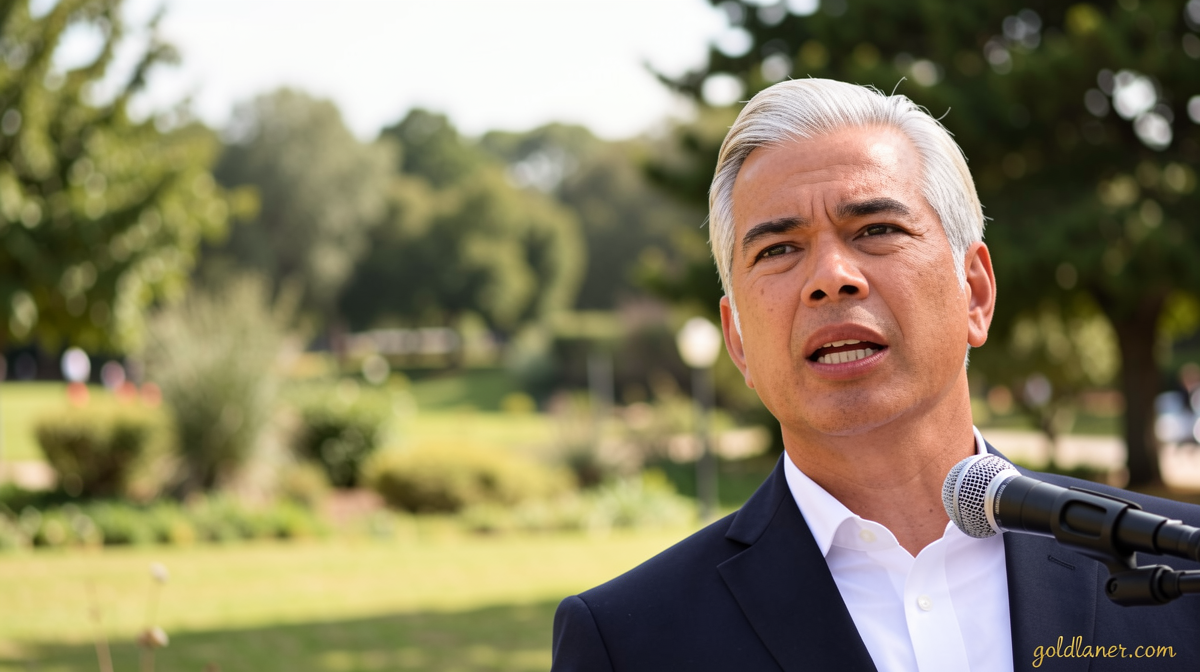
California Attorney General Rob Bonta announced the lawsuit on Monday, filing it in the Northern District of California. The legal challenge argues that combining these entertainment giants would fundamentally alter market dynamics. According to Bonta, the merger would eliminate competitive pressures, increase costs for consumers, reduce the quality of entertainment content, and result in fewer films and television programs being produced annually. The states simultaneously requested two forms of judicial relief: a temporary restraining order and a preliminary injunction. Bonta explained to CNN’s Kaitlan Collins that these measures would ensure the proposed transaction remains frozen while the legal proceedings unfold. Should a judge grant the restraining order, Paramount would be prevented from finalizing the acquisition temporarily, though the company would likely pursue an appeal.
Paramount’s Defense and Global Approvals
Paramount responded swiftly to the lawsuit, declaring its intention to contest the challenge aggressively. The company characterized the legal action as fundamentally flawed in both factual basis and legal reasoning. Paramount argued that the twelve states are mischaracterizing the current competitive landscape of the entertainment sector and maintaining that the merger would actually enhance market competition. The company highlighted that regulatory authorities across multiple international markets have already granted approval for the transaction, including the United States Department of Justice. However, the DOJ’s endorsement faced scrutiny due to allegations of political favoritism stemming from Paramount’s relationship with President Trump and various members of his administration.
Political Context and State-Level Action
Senator Elizabeth Warren voiced strong criticism when the DOJ approved the deal in June, describing the process as corrupt. Monday’s lawsuit represents a prominent instance of state-level officials attempting to obstruct a merger that federal authorities have already sanctioned. The twelve states involved—California, Arizona, Colorado, Connecticut, Massachusetts, Minnesota, Nevada, New Jersey, New Mexico, New York, Oregon, and Washington—all have Democratic attorneys general. According to conversations with CNN prior to the filing, state officials believe the Trump administration has substantially reduced its commitment to antitrust enforcement. As one official remarked, “Someone’s gotta do it.”
Precedent and Competitive Concerns
This legal challenge follows a similar effort in March, when a coalition of states successfully petitioned a judge to freeze Nexstar’s proposed acquisition of Tegna, a transaction that would have combined two competing local television station owners. While analysts suggested state prosecutors might face difficulties demonstrating antitrust harm in the Paramount-Warner Bros. case, Bonta expressed considerable confidence during a Monday press conference held before the Hollywood sign. Bonta framed antitrust enforcement as essential democratic oversight of corporate concentration, stating it serves as “democracy’s check on oligarchy.” He specifically mentioned Paramount CEO David Ellison, whose father, Larry Ellison—the billionaire co-founder of Oracle—is financially supporting Paramount’s bid for Warner Bros. The Ellison family has been negotiating behind the scenes for months to secure necessary approvals.
Financial Stakes and Content Concerns
Paramount has maintained throughout the process that it intends to complete the merger during the summer. The acquisition agreement contains a ticking fee provision, requiring Paramount to pay additional compensation to Warner Bros. if the transaction does not conclude by the end of September. A Paramount spokesperson stated on Monday that efforts to block the transaction contradict the fundamental principles antitrust law seeks to advance: increased competition, greater consumer choice, and expanded opportunities for creators and industry workers. Warner Bros. Discovery owns CNN, and numerous critics have expressed concerns about Paramount potentially owning the cable news network and merging it with CBS News. Bonta raised these issues during his press conference, arguing that the merger would result in fewer journalists informing the public and limit Americans’ access to diverse perspectives. The states’ antitrust lawsuit primarily addresses potential impacts on the entertainment sector rather than news operations. The legal complaint identifies three specific areas of competition: wide-release film distribution, anticipated blockbuster film distribution, and cable channel licensing. According to the attorneys, combining Paramount with Warner Bros. would diminish competition in these areas, potentially threatening viewers with increased prices, declining theatrical film exhibition, and reduced variety, quality, and quantity of distributed content.