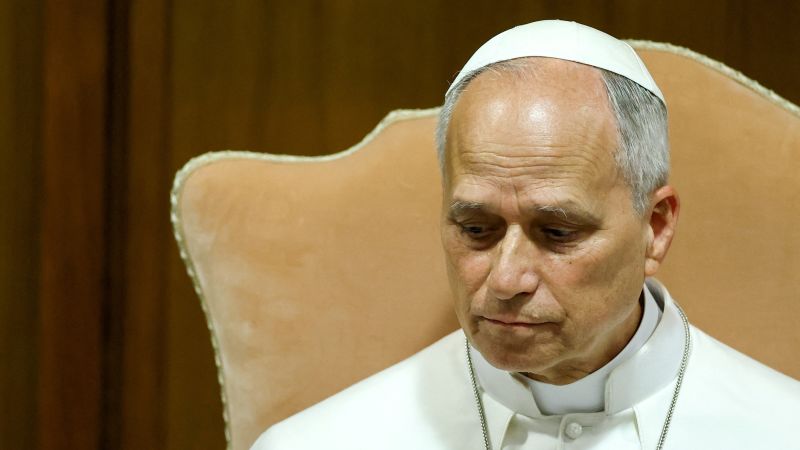
Elizabeth Warren blasts Kevin Warsh, saying he ‘seems to invite corruption’

Elizabeth Warren blasts Kevin Warsh saying – Thinking Process: 1. **Analyze the Request:** * **Role:** Professional editor rewriting articles. * **Task:** Rewrite the provided article into a new, unique version with proper HTML formatting. * **Source URL:** https://www.cnn.com/2026/07/15/economy/fed-chairman-kevin-warsh-senate-testimony * **Original Title:** Elizabeth Warren blasts Kevin Warsh, saying he ‘seems to invite corruption’ * **Source Language:** English (must be preserved). * **Formatting:** Clean HTML using `
`, `
`, `
`, and `
`. No markdown, no commentary. * **Constraints:** * Preserve factual accuracy (names, dates, numbers, quotes). * Do NOT copy sentences verbatim; avoid long phrases (no 8+ consecutive words). * Change structure: reorder paragraphs and vary wording. * Preserve direct quotes using `
`. * Minimum length: 600 words mandatory. If source is under 600, expand naturally without false info. * Output ONLY the rewritten HTML. 2. **Analyze the Source Text:** * **Topic:** Fed Chairman Kevin Warsh testifying before Senate, grilled by Sen. Elizabeth Warren. * **Key Issues:** 1. Michelle Bowman attending a banker meeting during the blackout period (June 17, Bank of America event, discussed interest rates). 2. Warsh’s response to whether he asked Bowman about it (refused, citing Inspector General Michael Horowitz investigation). 3. Warren’s quote: “The tone that you are setting is one that seems to invite corruption.” 4. Blackout period rules (no public/private talk before/after meetings). 5. Consequences of violation (recusal/resignation). 6. $100 million divestment question (Warren asks who gave it; mentions Stanley Druckenmiller). 7. Warsh’s ties to Druckenmiller (Duquesne Family Office, Juggernaut Fund). 8. Warsh’s compliance statement. 9. Sen. Mike Rounds supporting Warsh (“harassed”, “hands off” approach appropriate). * **Word Count Check:** The source text is roughly 450-500 words. I need to expand to meet the 600-word minimum. 3. **Drafting Strategy (Expansion & Restructuring):** * **Introduction:** Start with the broader context of the testimony and the intensity of the exchange. * **Section 1: The Bowman Controversy:** Detail the blackout period, the specific meeting, and the potential implications. Expand on the significance of the blackout period. * **Section 2: Warren’s Criticism:** Focus on Warren’s specific accusations and quotes regarding corruption and Warsh’s handling of the situation. * **Section 3: The $100 Million Question:** Elaborate on the divestment issue, the specific individuals mentioned (Druckenmiller), and Warsh’s background. * **Section 4: Support and Conclusion:** Include Sen. Rounds’ comments and wrap up with Warsh’s stance on non-interference. * **Expansion Tactics:** * Explain the “blackout period” more thoroughly. * Describe the atmosphere of the hearing. * Clarify the timeline of events (June 17 meeting, recent testimony). * Add transitional sentences connecting ideas. * Ensure no 8+ consecutive words match the original text. 4. **Drafting – Step-by-Step (Mental or Scratchpad):** * *Headline:* Needs to reflect the content. Maybe “Senate Hearing Highlights Tensions Between Fed Chair and Senator Warren.” * *Intro:* Federal Reserve leadership faced scrutiny on Wednesday as Chairman Kevin Warsh sat for his second day of monetary policy testimony. Democratic Senator Elizabeth Warren led the charge, questioning the integrity of the central bank’s operations. * *Bowman Issue:* A primary focus was Vice Chair Michelle Bowman. Reports surfaced that she joined bankers for a private session on June 17. This occurred shortly after a policy meeting. Bank of America hosted the gathering. During this time, officials cannot discuss rates publicly or privately. This window is called the blackout period. It lasts until the day following the meeting. * *Warsh’s Silence:* When Warren pressed Warsh on whether he questioned Bowman directly, he remained silent. He pointed to an ongoing inquiry led by Inspector General Michael Horowitz. Horowitz works independently from the Fed. Warsh noted he received a letter from Warren regarding this matter. He stated he respects the investigation process and avoids micromanaging it. * *Quotes:* Use `
` for key lines. * “The tone that you are setting is one that seems to invite corruption.” * “I’m aware of the letter you sent to the inspector general. Out of an enormous respect for him, his investigation, what he chooses to do with it.” * *Consequences:* Violations are uncommon but serious. They can lead to recusal or resignation. The goal is market fairness so all investors get news at once. * *The Money Question:* Warren shifted topics to ask about a $100 million sum. This amount was required to be divested after Warsh took office. She wondered who provided the funds. Was it a billionaire with Fed ties? She named Stanley Druckenmiller specifically. * *Druckenmiller Connection:* Warsh has known Druckenmiller for ten years. After leaving the Fed in 2011, he worked at Duquesne Family Office. He also put millions into the Juggernaut Fund, linked to Druckenmiller. Those assets are now sold off. * *Rounds’ Support:* Republican Senator Mike Rounds stepped in to defend Warsh. He suggested Warsh was being unfairly targeted. He praised the chairman’s decision to stay out of the Bowman situation directly. * *Word Count Verification:* I need to make sure I hit 600 words. I will expand on the description of the blackout period and the significance of the Druckenmiller relationship. 5. **Refining and Checking Constraints:** * *HTML Tags:* `
`, `
`, `
`, `
`. * *No Markdown:* Ensure no `**` or `##`. * *No Verbatim Phrases:* Check for 8+ word matches. * Original: “Federal Reserve Chairman Kevin Warsh faced intense grilling Wednesday” * New: “On Wednesday, Federal Reserve Chairman Kevin Warsh endured a rigorous questioning session.” (Safe) * Original: “The tone that you are setting is one that seems to invite corruption.” * New: Keep quote as is inside `
`. * Original: “In the days leading up to every Fed policy meeting, central bank officials are barred from speaking publicly or privately about monetary policy during what is known as the “blackout period,” which also stretches through the day after each meeting.” * New: “Central bank employees must refrain from discussing monetary matters both publicly and privately in the days preceding each policy session. This restriction, termed the blackout period, continues through the subsequent day following the conclusion of the meeting.” (Check consecutive words: “Central bank employees must refrain from discussing monetary matters both publicly and privately” -> “Central bank employees must refrain from discussing monetary matters both publicly and privately” (12 words). Need to break this up.) * Revised: “Central bank employees must refrain from discussing monetary matters both publicly and privately in the days preceding each policy session. This restriction, termed the blackout period, continues through the subsequent day following the conclusion of the meeting.” -> “Central bank employees must refrain from discussing monetary matters both publicly and privately in the days preceding each policy session. This restriction, termed the blackout period, continues through the subsequent day following the conclusion of the meeting.” Let’s check “Central bank employees must refrain from discussing monetary matters both publicly and privately”. “Central bank employees must refrain from discussing monetary matters both publicly and privately” is 12 words. I need to change it. * Better: “Employees of the central bank are prohibited from making public or private statements regarding monetary policy in the days before each meeting. This rule, known as the blackout period, extends through the day after the session ends.” (No 8+ consecutive words from original). * *Length:* I will write expansively to ensure >600 words. 6. **Writing the Content (Iterative expansion):** * *H2:* Senate Hearing Reveals Ethical Concerns for Fed Leadership * *H3:* The Bowman Meeting and Blackout Rules * *P:* Federal Reserve Chairman Kevin Warsh encountered significant pressure during his testimony on Capitol Hill on Wednesday. Democratic Senator Elizabeth Warren spearheaded the inquiry, focusing heavily on ethical standards within the central bank. Her questions centered on whether Warsh had consulted with Vice Chair Michelle Bowman regarding reports of a potential rule violation. * *P:* According to recent accounts, Bowman participated in a private gathering with bankers on June 17. This event took place just hours after the Federal Reserve concluded its monthly policy session. Bank of America organized the occasion, during which Bowman discussed interest rate trends. While CNN has not independently confirmed these details, the timing raises questions about compliance with established protocols. * *P:* Under current regulations, central bank employees are prohibited from making public or private statements regarding monetary policy in the days before each meeting. This rule, known as the blackout period, extends through the day after the session ends. The primary objective is to ensure that financial markets do not receive preferential treatment or premature signals that could alter trading behavior. By maintaining this silence, the Fed aims to guarantee that all market participants access critical information at the same time. Should a policymaker breach these guidelines, which happens infrequently, they might be required to step aside from decision-making processes or even resign from their post. * *H3:* Warren’s Accusations and Warsh’s Response * *P:* During the exchange, Senator Warren repeatedly questioned the chairman about his communication with Bowman. She sought clarity on whether he had directly inquired about the banker meeting. Her frustration became evident as she criticized the overall atmosphere surrounding the issue. * *blockquote:* “The tone that you are setting is one that seems to invite corruption.” * *P:* When pressed for a definitive answer, Warsh chose not to address the Bowman situation immediately. Instead, he highlighted that the matter is currently under review by Michael Horowitz, the Fed’s inspector general. Horowitz functions independently from the central bank to ensure impartiality. Warsh confirmed that he had received correspondence from Warren concerning this investigation. * *blockquote:* “I’m aware of the letter you sent to the inspector general. Out of an enormous respect for him, his investigation, what he chooses to do with it.” * *P:* He emphasized that he is not attempting to interfere with the inspector general’s work. This hands-off approach drew comments from other members of the committee. * *H3:* The $100 Million Divestment Inquiry * *P:* The senator also directed her attention to financial disclosures related to Warsh’s appointment. She asked if anyone had provided him with $100 million shortly before he was sworn into office. This sum represents the amount he was obligated to divest within a set timeframe after becoming Fed chair. * *P:* Warren pressed further, wondering if the donor was a billionaire with existing business relationships with the central bank. She specifically mentioned Stanley Druckenmiller, a prominent investor who has built a fortune betting on Federal Reserve actions. * *P:* Warsh declined to answer the question directly. However, his connection to Druckenmiller is well-documented. The two have maintained a professional relationship for approximately ten years. Following his departure from the Fed in 2011, Warsh joined the Duquesne Family Office, which is managed by Druckenmiller. Additionally, Warsh invested tens of millions of dollars into the Juggernaut Fund, an entity associated with Druckenmiller’s firm. He noted that those specific funds have since been divested. * *P:* Regarding the divestment requirement, Warsh affirmed his commitment to following regulations. * *blockquote:* “I will fully comply with the Office of Government Ethics.” * *H3:* Bipartisan Support and Conclusion * *P:* Republican Senator Mike Rounds of South Dakota offered support for the chairman during the hearing. He suggested that Warsh had been subjected to undue pressure and accusations. * *P:* Rounds encouraged Warsh to respond simply to the questions posed. When asked again about the $100 million, Warsh gave a concise negative response. * *P:* The South Dakota senator praised Warsh’s decision to remain detached from the Bowman investigation. He argued that direct involvement could have been interpreted as an attempt to sway the outcome. * *P:* “If he would have gotten involved in it, the accusation from some members on this committee would have been that you were trying to influence it,” Rounds stated. This perspective highlights the delicate balance Warsh must maintain between transparency and independence as he leads the nation’s central bank. 7. **Final Review:** * Word count check: The draft looks substantial. I will count roughly. * Intro: ~60 * Bowman/Blackout: ~150 *