Strait of Hormuz-style crisis looms for Russia as Ukraine forces shutdown of a key waterway


Ukraine’s Maritime Campaign Threatens Russia’s Black Sea Access
A Waterway Under Siege
Strait of Hormuz style crisis looms – Russia’s control over its vital maritime corridor to the Black Sea is deteriorating following coordinated Ukrainian assaults that compelled Moscow to halt commercial navigation through this critical passage. This development signals a dramatic shift in momentum, as the Azov Sea region—previously beyond Kyiv’s operational reach for years—now serves as a crucial Russian staging area for military operations against Ukraine while connecting extensive territories in southern Russia to international maritime routes.
The transformation stems largely from Ukraine’s rapidly evolving unmanned aerial capabilities. According to Robert Brovdi, who leads Ukraine’s drone forces, Kyiv’s operations have achieved remarkable results, striking 116 Russian vessels within a nine-day period alone. This represents a substantial escalation from earlier operations, which primarily targeted shadow fleet vessels and military ships. While CNN has not independently confirmed Brovdi’s figures, video evidence circulated by Ukrainian authorities demonstrates several direct hits on Russian targets.
Chokepoints Closed
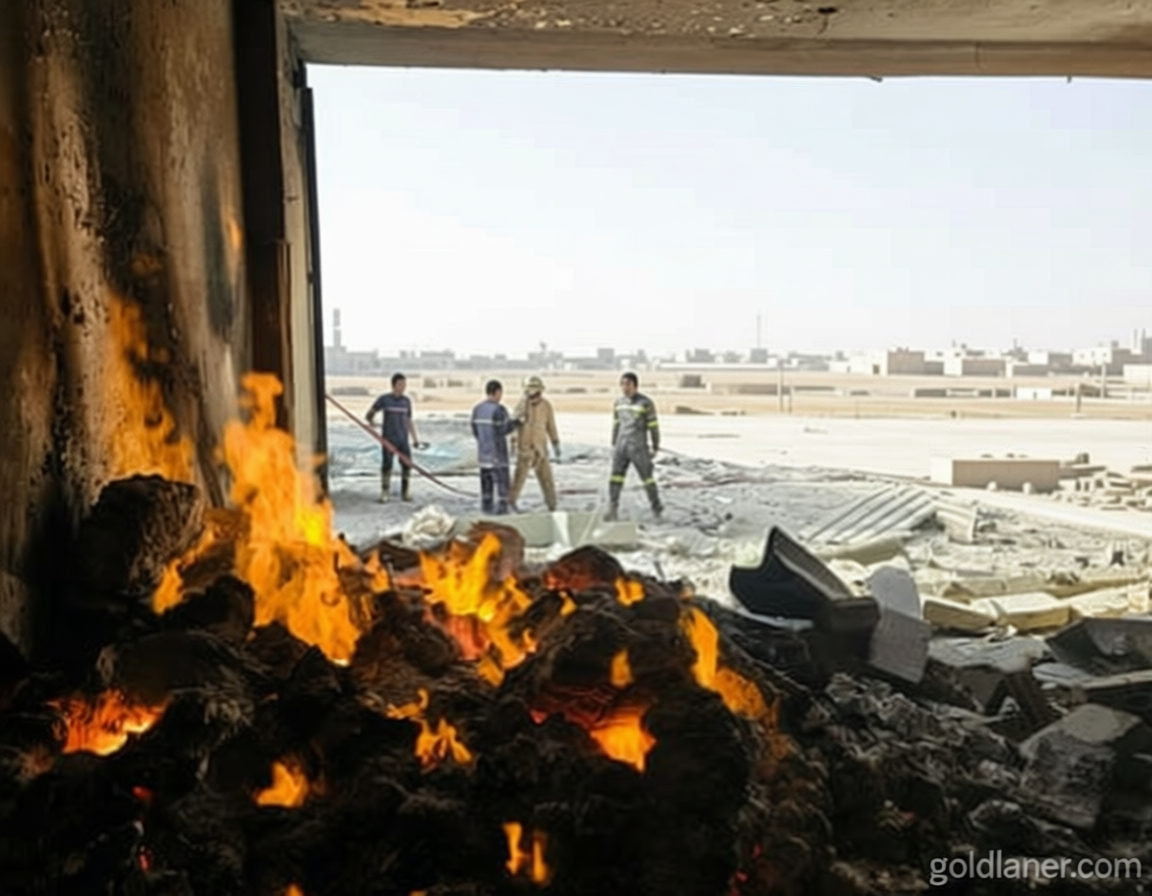
The sustained offensive has compelled Russia to completely suspend maritime traffic through the Azov Sea by closing both strategic chokepoints situated at the waterway’s corners. The Don-Azov Channel, which provides access to Russia’s inland waterway system, and the Kerch Strait, connecting the Azov to the Black Sea, now remain effectively blocked. Satellite imagery and maritime tracking data reveal extensive vessel queues forming on both sides of the affected region.
While Ukraine has grown increasingly effective at targeting Russia’s shadow fleet of oil tankers transporting sanctioned petroleum products, the broader blockade of the Azov Sea carries potentially significant consequences. These include impacts on commercial exports that have not faced international sanctions, such as agricultural commodities like wheat and sunflower oil.
Economic Implications
The Institute for the Study of War, an American conflict analysis organization, characterized the Ukrainian operations in the Sea of Azov as “representing a new phase in Ukraine’s efforts to isolate occupied Crimea from the Russian logistics network and to disrupt Russian seaborne shipping routes, especially for petroleum products and grain.”
Major Evhen Karas, commander of the 413th Separate Regiment of Unmanned Systems within the Ukrainian Armed Forces, explained that Russia has effectively converted Crimea into an expansive military installation, with units providing supplies to forces attempting to advance deeper into Ukrainian territory. “We are cutting all the logistics,” Karas stated, noting that Ukraine’s enhanced capacity to conduct strikes at reduced costs “has become a problem the Russians can’t solve.” He emphasized that “We’ll increase this pressure for as deep as we can reach … this is just the beginning.”
The economic stakes are considerable. Russia stands as the world’s premier grain exporter, responsible for approximately one-fifth of worldwide wheat shipments according to the US Department of Agriculture’s Foreign Agricultural Service. Andrey Sizov, a prominent Black Sea agricultural markets analyst, indicated that roughly 25 percent of Russia’s wheat exports transit through the Sea of Azov.
“The Black Sea for (the) wheat market is similar to what the Persian Gulf means for the crude market. (The) Black Sea is by far the biggest supplier of wheat to the global market,” Sizov explained, adding that prolonged disruption could push Russia’s economic losses into the billions of dollars.
Wheat futures prices, which serve as a critical barometer of market expectations, have surged in recent days, partially attributable to the Azov Sea situation. Although Russia maintains it can redirect all grain exports through alternative Black Sea terminals, Sizov argued this would prove impossible during peak export seasons when total shipments exceed port capacities.
Escalating Tensions
Russia, which has frequently targeted Ukrainian civilian infrastructure, has characterized Kyiv’s actions as terrorism and responded with strikes against the southern Ukrainian port city of Odesa and additional regional targets. Russian Foreign Minister Sergey Lavrov described the Ukrainian Azov Sea campaign on Wednesday as “beyond even piracy.”
“Pirates at least rob and keep the loot for themselves. But here, it is a case of ‘neither for themselves nor for others’ – the goal is simply to cause damage and intimidate. It is terrorism,” Lavrov declared.
Ukraine has consistently maintained that its operations target exclusively military objectives. The Ukrainian maritime campaign in the Sea of Azov originated as an initiative to isolate Crimea, the southern Ukrainian peninsula that Russia illegally annexed in 2014. Russian-installed authorities in Crimea recently declared a state of emergency following Ukrainian strikes on the peninsula, signaling the growing intensity of this strategic confrontation.