
Russia says at least 18 killed in Ukrainian strike on college dormitory
Russia Says At Least 18 Killed in Ukrainian Strike on College Dormitory
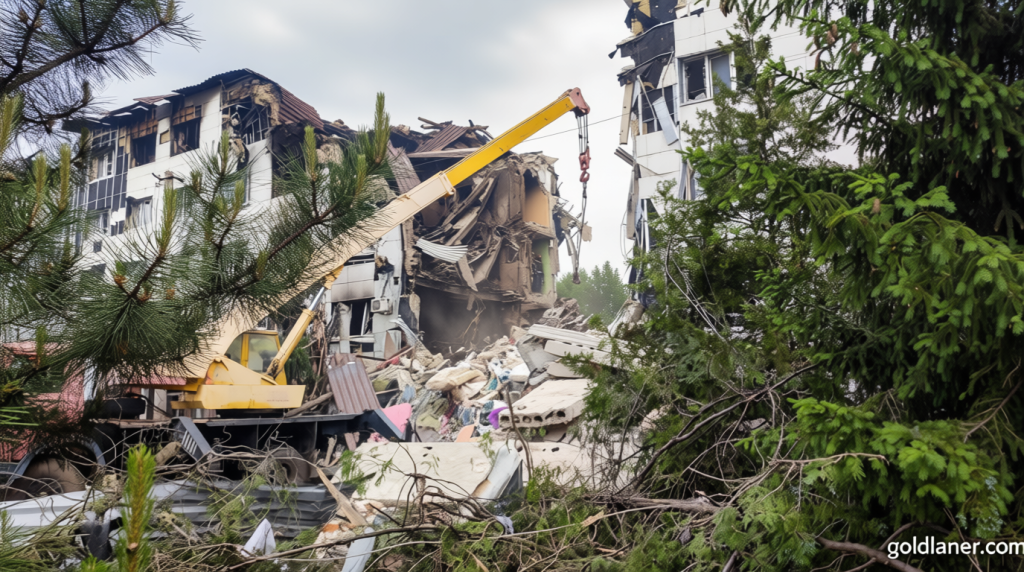
Russia says at least 18 killed – Russian President Vladimir Putin has initiated a response to a deadly Ukrainian attack on what he described as a college dormitory in an occupied town. According to Russian officials, the strike occurred in Starobilsk, a town in eastern Luhansk, and resulted in the deaths of at least 18 individuals. The Russian state news agency Tass reported Saturday that the casualties included children, with three others believed to be trapped beneath the rubble. This toll from a Ukrainian attack is notable given its location far from the front lines and the absence of any obvious military facility as a target.
Putin labeled the incident a “terrorist” act after Ukrainian drones struck the dormitory on Friday. He directed the defense ministry to propose a retaliatory plan, emphasizing the need for a swift and decisive response. The attack has sparked renewed tensions between Russia and Ukraine, with both sides accusing each other of escalating the conflict. Russian authorities claim the dormitory was a civilian target, but Ukrainian military officials have contested this, stating that their strikes are focused on military infrastructure and facilities used for defense purposes.
Ukraine’s military denied the allegations, calling Russian media outlets “manipulative” in their portrayal of the incident. A spokesperson reiterated that the strikes are part of a broader strategy to disrupt Russian operations in occupied territories. The attack on Starobilsk is said to be one of several recent operations targeting key Russian military assets. Earlier this week, Ukrainian forces claimed to have launched two strikes on Russian military installations, marking a significant shift in the nature of the conflict.
Strikes in Snizhne and Kherson Regions
Among the targets struck in recent days was a drone training camp in the occupied town of Snizhne. Ukraine’s Unmanned Systems Forces commander, Robert Brovdi, reported that the facility, which housed drones and explosives, was hit during a wave of attacks. The strike killed at least 65 cadets and an instructor, according to the commander. Footage shared on social media Wednesday night showed flames engulfing a building in Snizhne, which CNN has geolocated to the same area as the training camp. This suggests the attack may have been more than a simple strike, potentially causing widespread destruction.
In the Kherson region of occupied Ukraine, another set of strikes targeted a Russian security service headquarters and an air defense system. Ukrainian President Volodymyr Zelensky claimed the attacks killed and injured nearly 100 Russians. While the exact number of casualties remains under scrutiny, the scale of the damage highlights the increasing lethality of Ukraine’s drone operations. Zelensky’s statements were met with skepticism by some analysts, who noted that such high casualty figures are rare in the current phase of the conflict.
These attacks reflect a growing trend in Ukraine’s military strategy. The country has developed an arsenal of mid- and long-range drones capable of striking deep into Russian territory. This capability has allowed Ukrainian forces to target not only frontline positions but also critical infrastructure within Russia itself. Zelensky announced on Saturday that a recent strike had hit a chemical plant in Perm Krai, a region over 1,700 kilometers inside Russia. The facility, he said, supplies essential products to the Russian military, including fuel and propellants. Video footage posted by the Ukrainian side showed smoke rising from the plant, though CNN has yet to independently confirm the details.
The Rubicon Unit and Strategic Targets
The elite Rubicon Center for Advanced Unmanned Technologies, which plays a pivotal role in Russia’s drone development, has been identified as a key target. Ukraine claimed that one of its headquarters in the Starobilsk area was struck early Friday. This unit, formed in 2024, is responsible for pioneering Russian drone technology and has been a focal point for Ukrainian strikes. The attack on the Rubicon facility underscores the strategic importance of such centers in the ongoing war.
Ukraine’s recent focus on longer-range strikes has raised questions about the effectiveness of their operations. While the initial attacks in Starobilsk and Snizhne are seen as targeted efforts to disrupt Russian military logistics, the strikes in Kherson and Perm Krai indicate a broader campaign to weaken Russia’s industrial and military capacity. This escalation suggests Ukraine is not only targeting frontline positions but also aiming to strike at the heart of Russia’s war efforts.
Despite the claims of high casualties, some experts caution that verification remains challenging. CNN has sought comment from Russian authorities to confirm the figures, but no official response has been provided. The Ukrainian military’s assertion that the strikes were aimed at military infrastructure is supported by the targeting of the Rubicon unit and the drone training camp. However, the lack of independent verification leaves room for debate about the accuracy of the casualty numbers.
Broader Implications of the Conflict
These incidents are part of a larger narrative of escalating military action in the war between Russia and Ukraine. The use of drones has transformed the battlefield, allowing for precision strikes that can bypass traditional defenses. The Starobilsk attack, while relatively small in scale compared to large-scale artillery barrages, demonstrates the potential of drones to cause significant disruption in occupied areas.
As the conflict continues, the role of drones in both offense and defense is becoming increasingly critical. Russia’s focus on retaliating against such attacks highlights the strategic value of these facilities. Meanwhile, Ukraine’s ability to strike deep into Russian territory marks a turning point in the war’s dynamics. The attacks have not only caused immediate casualties but also signaled a new phase in the conflict, where the front lines are no longer the sole battlefield.
Analysts suggest that the increased use of long-range drones by Ukraine reflects a shift in military tactics. By targeting key infrastructure and military units in occupied regions, Ukraine aims to cripple Russia’s logistical capabilities and morale. The strikes in Starobilsk, Snizhne, and Kherson are emblematic of this approach, with each attack designed to maximize impact while minimizing direct confrontation. This strategy has the potential to prolong the war by forcing Russia to divert resources to defend its occupied territories.
As the conflict evolves, the international community will likely continue to monitor the situation closely. The rare casualties from a Ukrainian strike in Starobilsk have drawn attention to the humanitarian impact of the war, even in areas far from the front lines. The challenge for both sides remains not only in achieving military objectives but also in managing the political and diplomatic fallout from such attacks.
