ABC enlists viewers in free-speech fight with Trump’s FCC

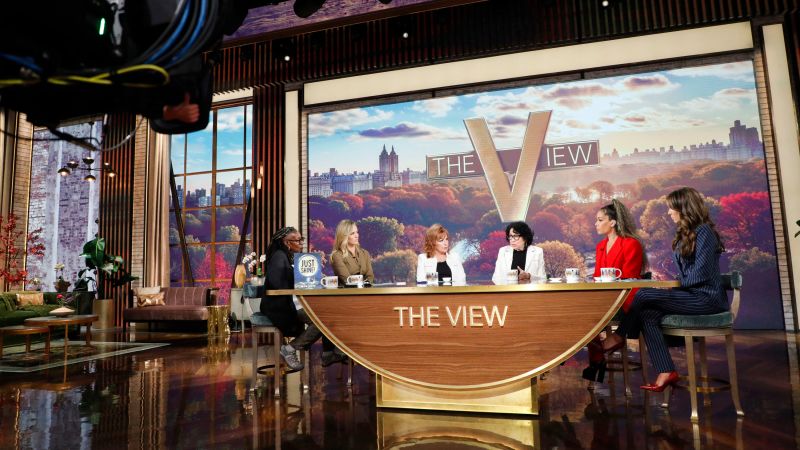
ABC Mobilizes Viewers in Defense of Free Speech Amid FCC Clash
Disney’s Campaign Targets FCC’s Regulatory Push
ABC enlists viewers in free speech – Disney, through its ABC network, has launched a public campaign to rally support for its local stations and the daytime talk show “The View.” This initiative comes as the Trump administration’s Federal Communications Commission (FCC) intensifies its scrutiny of Disney’s media operations, framing the effort as a broader battle over free speech. On Monday, ABC stations began broadcasting messages encouraging viewers to take action, urging them to contact the FCC during a critical public comment period. The ads, which are part of a coordinated strategy, aim to counter the agency’s allegations by leveraging community engagement.
“Channel 7 has served the community for over seven decades,” says one ad airing on WABC in New York. “Now the FCC is questioning our commitment to the public. Show your support.”
The campaign highlights the FCC’s unusual move to challenge the renewal of Disney’s station licenses. While most local ABC stations typically undergo renewal every eight years without significant controversy, this year’s process has transformed into a high-stakes political showdown. President Donald Trump’s allies argue that the early-renewal order is a direct response to Disney’s diversity, equity, and inclusion (DEI) initiatives, which they claim have undermined free speech. The agency’s decision has sparked debate, with industry analysts suggesting the rationale is tenuous and may reflect partisan priorities.
The FCC’s License Controversy
The FCC’s action against Disney’s local stations is part of a larger effort to enforce its regulations more aggressively. Chairman Brendan Carr has emphasized that the early-renewal requirement stems from his investigation into Disney’s DEI programs, which he believes have influenced the network’s programming. However, critics argue that the move is not merely about enforcing rules but about pressuring Disney to align with Trump’s media agenda. The public comment period, which runs until July 29th, is a key battleground in this dispute.
“You have until July 29th to tell the FCC to keep your trusted local station on the air,” one ad states.
Disney has defended its stations, asserting that the FCC’s demands threaten the First Amendment. The company’s legal filings with the agency outline its case for challenging the regulatory approach, potentially setting the stage for a court battle. By encouraging viewers to submit comments, Disney hopes to demonstrate widespread public backing for its stations and counter the argument that they are politically biased. This strategy also aims to offset the influence of Trump allies who may be flooding the FCC with complaints.
The “The View” Probe and Equal-Time Rule
In parallel, the FCC has launched an investigation into “The View,” citing potential violations of the equal-time rule. This rule mandates that broadcasters provide equal opportunity for airtime to competing candidates during election periods. However, the probe appears to target the show’s regular critiques of the Trump administration. “The View” has become a platform for political commentary, often featuring segments that challenge Trump’s policies, which has led to accusations of bias.
“‘The View’ has welcomed your favorite guests and covered the issues you care about for nearly thirty years,” says an ad during the show. “Now the FCC wants to control who is allowed to appear on the show.”
Industry observers note that the equal-time rule was never a central issue for “The View” until the Trump administration’s oversight shifted. The investigation is seen as a political maneuver, given the show’s consistent criticism of Trump’s rhetoric and policies. FCC chair Brendan Carr maintains that he is simply upholding existing regulations, contrasting his approach with past FCC leaders who were more lenient in similar cases. Yet, the controversy has raised questions about the agency’s neutrality in media regulation.
Disney’s Legal Strategy and Public Mobilization
Disney’s response to the FCC’s actions includes a combination of legal arguments and grassroots advocacy. The company has filed multiple documents with the FCC, positioning itself as a victim of regulatory overreach. These filings are designed to frame the dispute as a fundamental conflict between free speech and government control over media. At the same time, Disney is leveraging its media platforms to galvanize public opinion, urging viewers to participate in the FCC’s comment process.
The public comment period serves as both a legal and political tool. Disney may be anticipating a surge of complaints from Trump supporters, who argue that ABC stations have favored progressive viewpoints. By encouraging viewers to submit their own comments, the network seeks to counterbalance those criticisms and showcase its broad appeal. This dual strategy—legal defense and public engagement—aims to protect its stations while maintaining their credibility in the eyes of the audience.
Broader Implications of the FCC’s Regulatory Shift
The FCC’s approach under Trump has marked a departure from its previous practices, with a focus on aligning media operations with the administration’s priorities. The agency’s emphasis on DEI initiatives and political speech has created a new regulatory landscape, where stations are not only judged by their content but also by their perceived ideological leanings. This shift has led to concerns that the FCC is using its authority to target media outlets that challenge the Trump administration.
Industry analysts highlight that the early-renewal order for Disney’s stations is a calculated effort to pressure the company into modifying its programming. The equal-time rule investigation further underscores this trend, as it provides a pretext for scrutinizing the network’s coverage of political issues. While Carr insists these actions are rule-based, critics argue they are politically motivated, using regulatory processes to silence dissenting voices in media.
As the public comment period progresses, the outcome could shape the FCC’s future approach to media regulation. Disney’s campaign underscores the growing role of viewer activism in defending free speech, as networks increasingly rely on public support to counter administrative challenges. The case also raises broader questions about the balance between regulatory oversight and the freedom of expression in broadcast media, setting the stage for a significant legal and political debate.
With the summer months approaching, the FCC’s actions against ABC and “The View” are expected to gain more attention. The network’s efforts to mobilize viewers reflect a strategic shift toward public engagement, as Disney prepares to defend its operations against what it sees as an attack on First Amendment rights. Whether the campaign succeeds in swaying the FCC or reinforces the agency’s stance, the battle highlights the intersection of media, politics, and public opinion in shaping regulatory decisions.