A small plane slammed into the tallest skyscraper in China’s capital. Hours later, it was like nothing had happened.

A Small Plane Collided With Beijing’s Iconic Skyscraper, Then Vanished From View
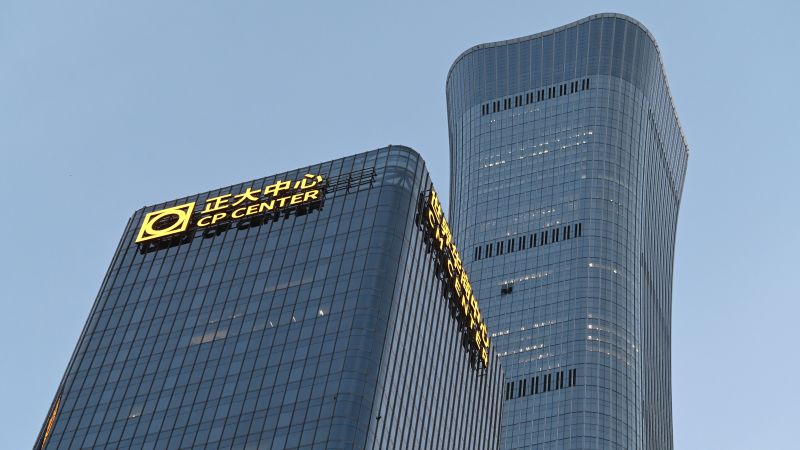
A small plane slammed into the tallest – On Friday afternoon, a light aircraft crashed into the CITIC Tower, Beijing’s tallest skyscraper and a landmark that has defined the city’s skyline since 2018. The 109-story structure, standing at 528 meters tall, is home to major institutions such as CITIC Group and Alibaba, and is located in a bustling neighborhood that hosts embassies, financial offices, and diplomatic envoys. The incident occurred during rush hour, with debris and shattered glass falling hundreds of feet to the streets below as office workers prepared to leave for the weekend. The pilot, along with 13 others, perished or sustained injuries, but the event was quickly erased from public consciousness.
Information Erased, Panic Unseen
Minutes after the crash, the digital landscape of China transformed as if the event had never happened. Social media platforms like Weibo, the domestic equivalent of X, were flooded with initial reports and videos, only to be cleared by an efficient system of censors. State media, including CCTV, which is based across the street from the crash site, made no mention of the incident in its early coverage. This rapid information suppression raised questions about the government’s control over narratives, particularly in a city known for its strict regulations on public discourse.
“I was just two stops away… and I saw this post… but it gets deleted soon. So I just came here,” said Anna, a Beijing resident who opted to use only her first name. Her account highlighted the urgency with which residents reacted to the event, scrambling to capture footage before it was scrubbed.
The speed with which the incident was hidden suggested a coordinated effort to maintain calm. While the public was left in the dark for hours, the government’s initial silence was followed by a cautious acknowledgment. On Saturday afternoon, Beijing-aligned media reported that a “single-engine double-seat light sports aircraft collided with a high-rise building in flight,” confirming the pilot’s death and the injuries of 13 people at the scene. However, the exact cause of the crash remained unclear, with officials stating it was under investigation.
Aerial Maneuvering Amid Strict Regulations
The crash sparked debates about how the pilot managed to navigate Beijing’s stringent aviation laws. Flying even a small aircraft in the capital requires approval from both the Civil Aviation Administration of China and the People’s Liberation Army Air Force. Beijing recently introduced sweeping rules to restrict recreational flying and consumer drones, effectively banning casual aerial activities in the city. The incident raised eyebrows about whether the pilot had bypassed these controls, potentially flying into a restricted zone near the Communist Party’s elite residences.
The footage of the crash, shared briefly online, showed the aircraft striking the upper levels of the CITIC Tower, a structure also known as China Zun. The video captured the plane’s tail section plummeting to the ground, creating a chaotic scene as crowds gathered near the building’s entrance. Firefighters, police, and an ambulance were on-site, but the presence of authorities was almost immediate, reinforcing the government’s ability to contain the situation.
The Tower’s Strategic Significance
Located in the heart of Beijing, the CITIC Tower is not only a symbol of modern architecture but also a strategic hub. Its proximity to global financial institutions, such as the World Bank and the International Finance Corporation (IFC), and the embassies of countries including the UK and Vietnam, underscores its role as a center of international activity. The crash’s proximity to these locations added to the tension, as officials sought to prevent any ripple effects on diplomatic relations or economic stability.
Meanwhile, the aircraft’s registration code, visible in online images, pointed to a domestically produced Sunward SA 60L Aurora, a model commonly used for pilot training and recreational flights. This detail raised further questions about the oversight of such aircraft in a city where even drones are tightly regulated. The plane’s ability to fly over the heavily guarded capital, where access is restricted for non-authorized individuals, hinted at potential loopholes in the system.
Aftermath and Controlled Narrative
As the investigation progressed, the government’s response remained measured. While the incident was officially recognized, the details were carefully curated to avoid alarm. Roads near the CITIC Tower were closed on Saturday, and police patrolled the area, allowing only those with proof of employment in the vicinity to enter. Delivery drivers, unable to access the building, waited patiently outside, their vehicles parked in a sea of confusion.
Outside mainland China, the crash’s footage and images circulated rapidly, gaining traction on social media platforms. The event’s viral spread underscored the contrast between China’s domestic censorship and the global appetite for transparency. For those who saw the initial posts, the speed of the information blackout was both impressive and unsettling, reflecting the nation’s commitment to controlling the narrative around critical incidents.
Unanswered Questions and Broader Implications
Despite the government’s efforts to manage the situation, the crash left lingering questions. Was it an accident, or had the pilot deliberately targeted the tower? The deviation in the plane’s flight path, as recorded by unverified data from Flightradar24, suggested an unusual trajectory. This anomaly raised concerns about the pilot’s awareness of the airspace restrictions, or whether external factors had influenced the incident.
For Beijing’s authorities, the event posed a unique challenge. The tower’s location in a politically sensitive area meant that any perceived failure in safety protocols could be magnified. The fact that the pilot managed to breach these barriers, whether by accident or intent, highlighted the tension between individual freedom and state control. As the investigation continues, the incident remains a focal point for discussions about China’s approach to managing crises and shaping public perception.
The crash also served as a reminder of the city’s role as a center of power. The CITIC Tower, with its imposing height and strategic location, is a physical representation of the Communist Party’s influence. The incident’s rapid erasure from public records reinforced the idea that information in China is not just monitored but actively curated to align with official narratives. For the people of Beijing, the event became a symbol of the delicate balance between transparency and control in a city where every detail is scrutinized.
As the days passed, the incident faded from headlines, but its implications lingered. The combination of a dramatic crash, swift censorship, and a government that prioritized stability over immediate disclosure painted a picture of a nation vigilant about its image. The unanswered questions about the crash’s cause and the pilot’s actions continued to fuel speculation, demonstrating the power of a single event to spark broader conversations about governance, technology, and the role of information in shaping public opinion.