What’s behind MLB’s aggressive sales pitch to fans ahead of this winter’s labor battle

MLB’s Strategic Fan Engagement Ahead of Expected Lockout
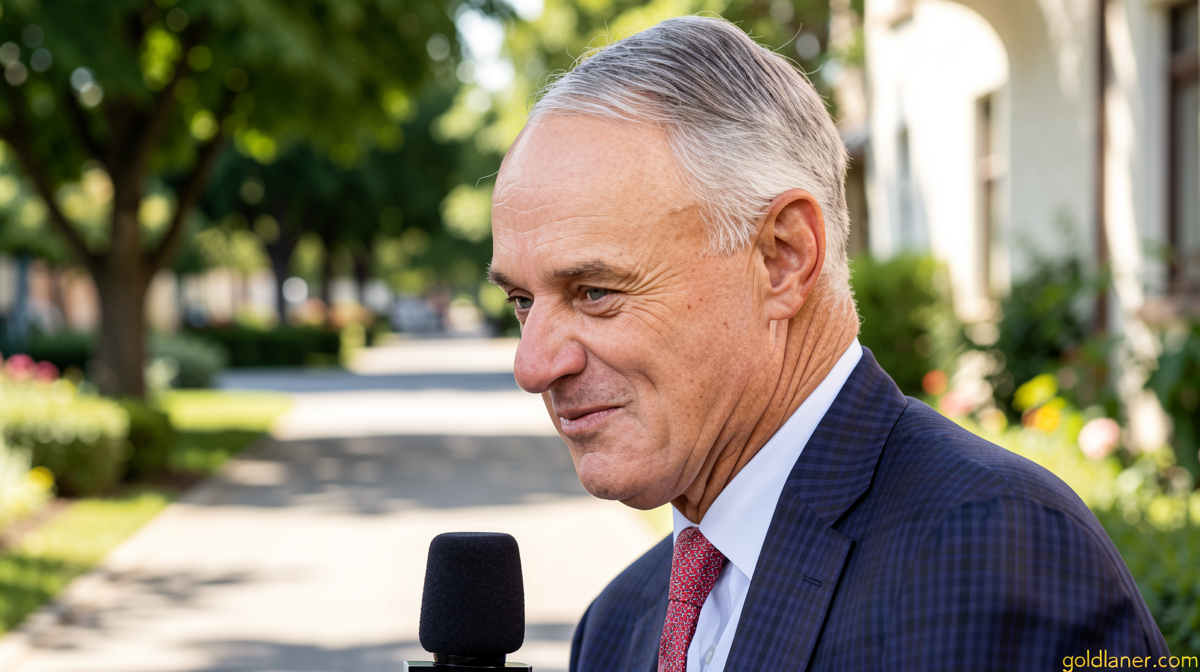
What s behind MLB s aggressive – During the media session preceding this year’s All-Star Game, MLB commissioner Rob Manfred delivered what could only be described as a moment of genuine levity. While “hilarious” might overstate the case, within the typically staid environment of a Baseball Writers Association of America gathering, it stood out as something special. When journalists brought up President Donald Trump’s recent comments regarding the ongoing labor negotiations, Manfred’s reaction was telling. He paused, acknowledging the delicate nature of addressing the president while simultaneously discussing baseball’s labor dispute—a topic that would ultimately dominate his remarks.
“This is where Pat (Courtney) always tells me to take a minute,” Manfred explained, making reference to his seasoned chief communications officer. “So I’m going to take a minute.” The audience responded with laughter, recognizing the self-aware humor in his statement. It was a candid admission that Manfred hasn’t always exercised the caution he now demonstrates, and that oversight has occasionally created complications for him. What’s remarkable isn’t that a major sports league commissioner would develop a thoughtful communications approach, but rather his willingness to publicly acknowledge it—complete with a playful nod to his previous shortcomings.
The Fan-Centric Messaging Strategy
This moment of transparency revealed something broader: the league has developed a comprehensive plan for navigating public discourse surrounding the next collective bargaining agreement. That agreement is virtually certain to culminate in a lockout during the upcoming offseason. Manfred’s habit of pausing before responding to particularly challenging questions is just one element of this strategy.
Perhaps more notably, the commissioner arrived at press inquiries about what promises to be an unpopular and contentious labor dispute armed with a consistent message: everything is being done for the fans. Throughout a forty-minute question-and-answer session, Manfred repeated the phrase “listen to fans” or “listening to fans” on six separate occasions. Yet it’s crucial to recognize that even with the best intentions, Manfred doesn’t speak for supporters when he sits at the bargaining table. He represents the owners. Fans lack representation at the negotiating table, where the primary focus involves distributing financial resources between management and players.
Understanding the Core Disagreement
The specifics of the collective bargaining agreement can be as intricate as one desires, with detailed proposals covering revenue sharing mechanisms and compensatory draft selections. However, the fundamental divide at this moment is straightforward. The owners, acting collectively as the league, are seeking a salary cap to achieve financial predictability. Players, conversely, oppose such a cap because they believe it would prevent them from receiving compensation closer to true market value.
It hardly matters which side appears more greedy. A baseball collective bargaining negotiation doesn’t evaluate whether educators or law enforcement officers merit higher compensation than shortstops—or indeed, the offspring of a clothing retail magnate. Furthermore, ticket pricing isn’t determined by the staggering contracts handed to star players. The sports industry generates substantial profits, and each party seeks to maximize benefits for themselves and their respective constituencies.
“I’m on my devices probably way more than I should be, and I try to respond to any inquiries pretty much immediately.”
One characteristic defining the early phases of these negotiations is the unprecedented public nature of both sides’ communications. Bruce Meyer, the union’s primary negotiator who advanced from deputy director to interim director following Tony Clark’s removal earlier this year, has conducted regular press conferences to outline the progression of proposal exchanges. Meyer also offered his own humorous observation when speaking with BBWAA members about his constant availability to journalists.
However, the league has moved beyond merely explaining its position to traditional media intermediaries. MLB is delivering its message directly to supporters—publishing its own proposals on social media platforms with positive framing, hiring a reporter to “analyze” even the most ambitious opening offers with the conclusion that they represent “a grand bargain,” and producing advertisements on MLB.tv that specifically highlight the advantages of implementing a salary cap.
These promotional videos portray the salary cap as something fans desire. Or at minimum, they suggest supporters want baseball to achieve greater “parity” and “equity,” qualities the advertisements imply are directly connected to cap implementation. Both spots in the campaign build toward MLB’s repeated insistence that it is “listening.” As Meyer astutely observed, if this truly reflects what fans want, why would MLB need to sell it back to them? It’s a compelling question—one that deserves serious consideration as the labor battle intensifies.