Why the count will go on in California

Why the Count Will Go On in California
Why the count will go – California’s election process is inherently slower than that of many other states, a trend that persists even in the wake of the November 2024 general election. The state’s vast population and its widespread adoption of vote-by-mail systems contribute to the prolonged counting period, as counties grapple with the sheer volume of ballots received. This year, the extended timeline is already shaping the narrative, with results continuing to trickle in days after the polls close.
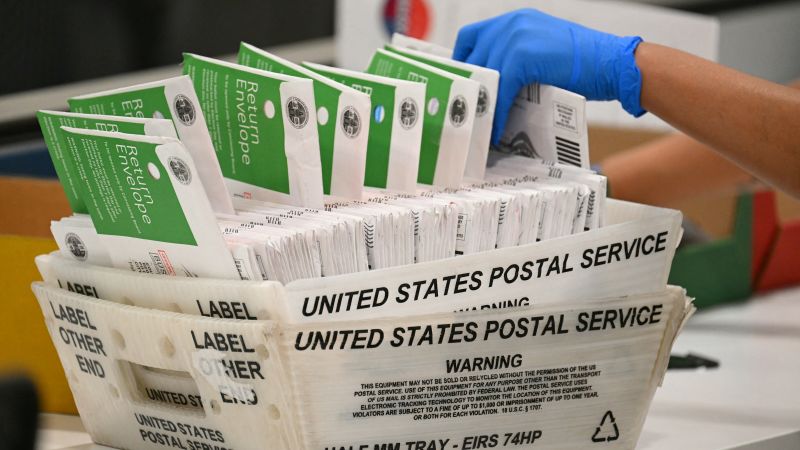
The universal mail-in ballot system, while designed to increase voter accessibility, also introduces delays. In the 2024 election, mail ballots accounted for more than 80% of the 16.1 million total votes cast. County officials typically begin tallying ballots received before Election Day as they arrive, posting preliminary results quickly. However, the state’s law allows mail ballots to be submitted up to seven days post-election, provided they are postmarked by the deadline. This provision means counties must continue verifying and counting votes even after the polls have shut, ensuring no ballots are excluded due to timing.
Verifying each ballot is a critical step, and it can take time. Officials must check for proper signatures, ensure the ballot is correctly filled out, and confirm the postmark date. This meticulous process is necessary to uphold the integrity of the election but extends the counting period. Notably, mail ballots counted in the days following Election Day often reflect a stronger Democratic lean, as these voters tend to return their ballots later than in previous years. According to data from Political Data, Inc., a Democratic-aligned firm, the trend of delayed Democratic voting appears to be more pronounced in this cycle, possibly altering the final outcome.
The gubernatorial race is a prime example of this phenomenon. Democratic former U.S. Health and Human Services Secretary Xavier Becerra holds a strong lead for one of the two November slots, with the final results likely to be influenced by the delayed mail-in ballots. The other position is contested between Republican former Fox News host Steve Hilton and Democratic billionaire investor Tom Steyer. While Hilton has received endorsements from Donald Trump’s campaign, his chances may be affected by the slow processing of votes, particularly as the Democratic shift becomes more evident in later counts.
Los Angeles Mayor Karen Bass has advanced to the November election, securing the first place in the initial reports. However, early updates suggested that Republican former reality TV star Spencer Pratt was close behind. Subsequent data revealed a shift, with progressive city councilmember Nithya Raman gaining ground on Pratt. This dynamic adds uncertainty to the second-place finish, as the final count could tilt the balance further. The extended period also means that the race remains fluid, with each additional ballot potentially reshaping the standings.
As the counting process unfolds, candidates and their supporters are advised to prepare for slower-than-usual results. Tom Steyer’s campaign emphasized that a larger proportion of Democratic votes might come in after Election Day, a departure from historical patterns. This anticipation is echoed by other contenders, who recognize the unique challenges of California’s electoral system. Meanwhile, Steve Hilton, backed by Trump, has expressed frustration with the delayed results. In a CNN interview, he stated, “It’s ridiculous that the state has a system where it could take days or even weeks to get election results.” Despite his criticism, Hilton acknowledged that no evidence has emerged to question the validity of the process.
California’s approach to elections is a blend of tradition and modernity, with its emphasis on mail-in voting reflecting a commitment to inclusivity. However, this method also demands patience from voters and officials alike. The extended counting period can create a sense of suspense, as the final outcome hinges on the timing and accuracy of ballot verification. For instance, mail ballots processed in the days after Election Day often skew Democratic, a pattern that has become more noticeable in recent cycles. This phenomenon is attributed to the fact that Democratic voters may take longer to mail their ballots, particularly in the wake of increased voter turnout and a more distributed voting process.
Political analysts have noted that the delayed results could have significant implications for the state’s political landscape. With a large portion of votes still to be counted, the final tally remains a work in progress. This situation is not unique to this election, as California has long been known for its extended counting periods. Yet, the current cycle seems to highlight the system’s vulnerabilities, with potential for unexpected shifts in support. The role of mail-in ballots, while beneficial for voter participation, also raises questions about the efficiency of the process and the need for improved infrastructure to handle the high volume of votes.
For the gubernatorial race, the outcome hinges on the final verification of ballots, particularly those received in the final days before and after the election. Xavier Becerra’s lead, though strong, may not be guaranteed as more votes are tallied. Meanwhile, the competition between Hilton and Steyer is set to intensify, with each candidate’s strategy adapting to the extended timeline. The delayed results also mean that the election’s narrative continues to evolve, with each new batch of votes potentially altering the perception of the race.
California’s electoral system, while a hallmark of its democratic process, requires careful navigation. The state’s ability to count votes over an extended period ensures that every ballot is accounted for, even if it means the final results are not announced on the same day as the voting. This approach, however, can create a challenge for candidates who rely on real-time feedback to adjust their campaigns. As the counting continues, the importance of each vote becomes more pronounced, with the final tally depending on the diligence of county officials and the behavior of voters in the days following the election.
“It’s ridiculous that the state has a system where it could take days or even weeks to get election results,” said Steve Hilton during a CNN interview. While he criticized the pace of the process, he admitted that the validity of the results has not been questioned, highlighting the system’s reliability despite its delays.
With the election results still pending, the focus remains on the final stages of the count. The extended timeline underscores the complexity of California’s electoral framework, one that balances accessibility with accuracy. As the state moves toward its November final tally, the process will continue to shape the outcome, keeping voters and analysts in anticipation of the full picture.