
Senate GOP to face major test on Trump’s ‘anti-weaponization’ fund with immigration vote
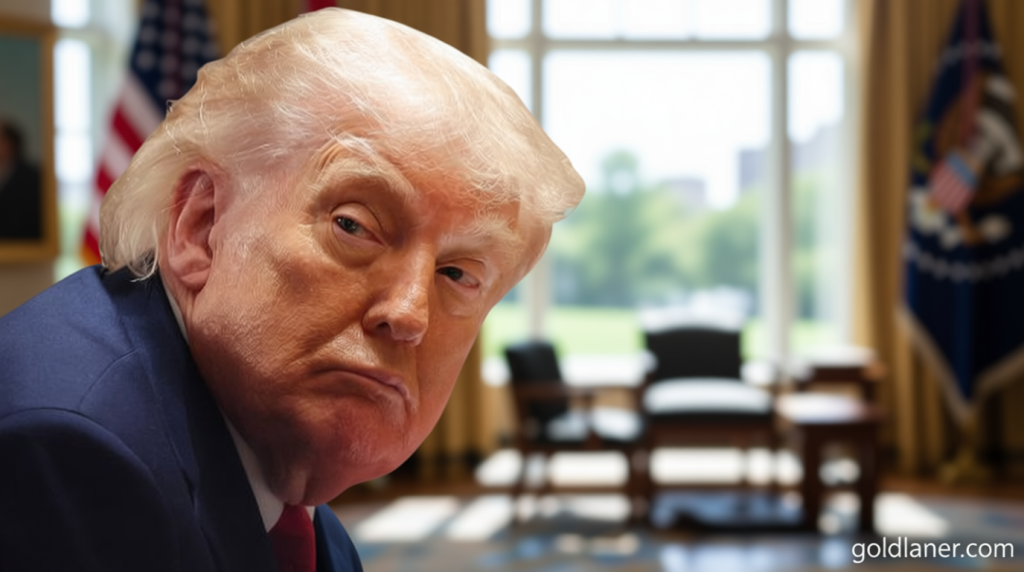
Senate GOP Faces Major Test with Trump’s Anti-Weaponization Fund and Immigration Vote
Senate GOP to face major test – Senate Republicans are poised to confront a pivotal moment in their legislative strategy as the chamber prepares to vote on a $70 billion immigration enforcement bill. The proposal, which has sparked internal debate, hinges on the fate of President Donald Trump’s controversial “anti-weaponization” fund. While the broader measure has gained traction, the fund’s inclusion remains a divisive issue, with some lawmakers seeking to terminate it explicitly. This debate could shape the bill’s ultimate approval, as the Senate gears up for a critical vote in the coming days.
Conflicting Stances Within the GOP
The dispute over the fund has exposed deep rifts within the Senate GOP, with party leaders and dissenters clashing over its relevance. Senate Majority Leader John Thune and his allies argue that the fund should be retained to provide financial safeguards for those impacted by government actions. However, a faction of Republicans, including Sen. Thom Tillis, is pushing to eliminate it, fearing its association with Trump’s broader agenda could alienate voters. This internal tug-of-war may determine the bill’s fate, as the vote approaches.
“The fund is not just a Trump initiative—it’s a tool for accountability,” Thune asserted during a press briefing. “We need to ensure it serves its intended purpose.”
Meanwhile, Tillis and other critics insist the fund has outgrown its original scope, now allegedly covering January 6 rioters and expanding into contentious territory. Their differing views have complicated the legislative process, forcing lawmakers to balance partisan loyalty with public sentiment.
The Fund’s Evolving Role
Initially created to reimburse individuals who claimed to be wronged by the government, the “anti-weaponization” fund has grown to include a wide range of beneficiaries. Recent modifications have tied it to the January 6 defendants, a move that has drawn sharp criticism. Critics argue the fund’s expanded use risks funneling taxpayer money into a politically charged dispute, while supporters maintain it provides necessary compensation for those who faced legal challenges under Trump’s administration.
Acting Attorney General Todd Blanche recently stated the fund would not proceed, signaling a potential end to its legislative life. Yet, Trump’s public insistence on its continuation has kept the debate alive, complicating efforts to finalize the immigration bill. The fund’s ambiguous status underscores the broader tensions within the GOP, as lawmakers navigate between ideological consistency and pragmatic compromise.
Immigration Bill as a Political Barometer
The $70 billion immigration enforcement bill represents a significant legislative achievement for the Senate GOP, but its success depends on resolving the fund’s future. With the vote set to occur soon, the chamber faces a major test in uniting behind the measure. The bill’s progression to Trump’s desk could solidify his legacy, but failure to address the fund’s controversies may weaken its impact.
Senate Republicans are preparing for an extended voting session, with the potential to stretch into multiple days. The timing of this vote, coinciding with the lead-up to midterms, adds pressure to resolve the fund’s status. While some senators remain loyal to Trump, others are increasingly cautious, fearing the fund’s inclusion could backfire politically. This delicate balance will define the GOP’s ability to advance its agenda effectively.
Broader Implications for the Party
The debate over the fund reflects the Senate GOP’s internal struggle to maintain unity while addressing evolving political landscapes. With the immigration vote as a key battleground, the party’s ability to navigate this challenge will influence its standing in the upcoming elections. If the fund is removed, it could signal a shift toward more centrist policies; if retained, it might reinforce Trump’s influence within the ranks.
Sen. John Curtis of Utah, a vocal critic of the fund, has emphasized the need for clarity. “Who wouldn’t want to cut ties with a program that’s become a symbol of controversy?” Curtis remarked. His comments align with growing concerns among Republicans that the fund’s expansion could overshadow its original purpose. As the vote looms, the GOP’s decision on the fund will serve as a litmus test for its cohesion and direction.
