Trump went back to his political happy place — but voters may not follow

Trump Went Back to His Political Happy Place — But Voters May Not Follow
Trump went back to his political – Donald Trump returned to the origins of his political journey this week, rejoining the campaign trail in Pennsylvania—a state that has been pivotal in his career. After months of navigating a complex standoff with Iran and recalibrating his position in Washington, the president sought to reconnect with his core identity as a revitalizing force within the Republican Party. His recent appearances had been marked by a more subdued demeanor, but Tuesday’s event in the heart of his home state signaled a shift back to his signature style of energetic, combative rhetoric.
Reconnecting with Political Roots
The choice of Pennsylvania was deliberate. It is a region that twice propelled him into the presidency and where he faced a near-fatal attack in 1981. By selecting this battleground, Trump aimed to refocus his message on themes of economic revitalization and national pride, steering the conversation away from the contentious issues that had dominated his administration. He claimed that the country had entered a new era of prosperity, using the rally as a platform to reinforce his narrative of American resurgence.
“We’re the hottest country in the world,” the president declared, invoking his trademark flair for hyperbole.
Rhetorical Strategies and Their Impact
Trump’s performance in Pennsylvania showcased his reliance on vivid, often exaggerated language to galvanize his base. While his supporters responded enthusiastically, the broader electorate may have found his tone less compelling. His speeches frequently blend defiance with theatricality, painting a picture of a nation under threat from opposing forces. This approach, though effective for mobilizing loyalists, risks alienating voters who are more concerned with everyday challenges like rising living costs and healthcare accessibility.
Among the crowd’s loudest cheers were references to his earlier claims about the Democratic Party’s alleged manipulation of elections and the cultural shifts he perceived in American society. He accused Democrats of “election cheating,” suggested that transgender women were displacing traditional female athletes, and criticized former President Joe Biden for overseeing a “migrant invasion.” These statements, while resonant with his base, may not capture the attention of voters who prioritize tangible economic outcomes over ideological battles.
Recharging Political Energy
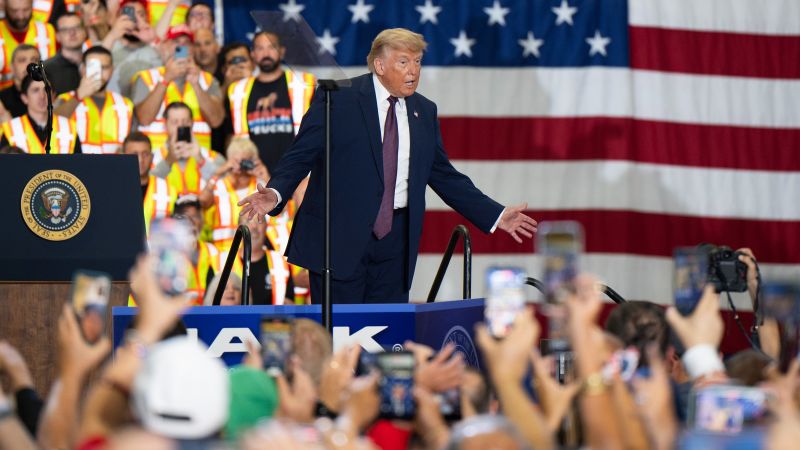
Despite his recent fatigue, Trump appeared energized during the rally, engaging with the audience in a manner that contrasted sharply with his earlier, more reserved Oval Office appearances. His ability to channel the crowd’s enthusiasm into a unified message highlights his enduring appeal to working-class voters. The atmosphere at the Mack truck plant, filled with chants of “USA, USA,” evoked the same fervor seen in his 2016 and 2024 campaigns, underscoring the cultural resonance of his brand of politics.
For many of his followers, the rally was a reminder of the unity and purpose that define his political movement. “It feels like a fight,” remarked UFC fighter Bo Nickal, who was invited to the event, describing the charged energy of the crowd. This moment, just over a week after his 80th birthday celebration on the White House lawn, rekindled the sense of vigor that has long been a hallmark of his public persona.
Challenges in a Changing Political Landscape
However, Trump’s return to his political happy place comes at a time when the nation’s mood is more skeptical than ever. A recent CNN/SSRS poll revealed that 70% of Americans believe he has performed poorly in managing the economy, a fact that challenges the narrative of his recent successes. His assertion that the end of the war would eliminate cost-of-living pressures has yet to gain traction, as millions continue to grapple with inflation and stagnant wages.
While Trump’s rallies are a source of renewed political momentum, they also expose the limitations of his messaging. His ability to captivate audiences with bombastic claims and simplified narratives is unmatched, but these strategies may not resonate with voters in suburban areas or swing districts, where economic anxieties often take precedence over partisan theatrics. The rally in Allentown, a key suburban hub, highlighted this tension, as his supporters celebrated his vision of a strong economy, while others questioned its realism.
Reliance on Loyalists and the Need for Broader Appeal
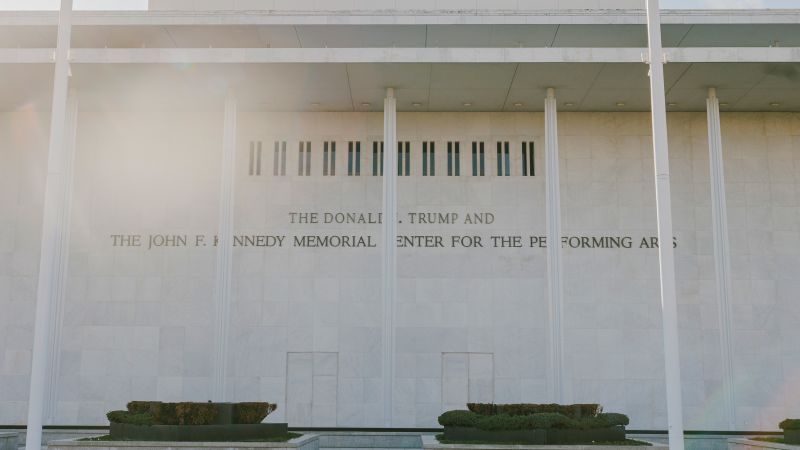
Trump’s political success hinges on the loyalty of his base, but his campaign for the midterms requires a broader coalition. His recent focus on physical legacies—such as the White House ballroom project and the National Mall’s algae-clogged reflecting pool—reveals a desire to leave a lasting mark on American politics. Yet, these efforts may not address the concerns of independents or disaffected Democrats, who are critical to winning a majority in November.
The president’s rhetoric often overlooks the nuanced realities of the current economic climate. While he promises a return to prosperity, the data suggests otherwise. The same economic challenges that plagued millions before his trade war remain unresolved, with prices still rising and unemployment figures stubbornly high. His claim that oil prices are falling and that the economy is on a “remarkable” trajectory may not be enough to sway voters who are more focused on immediate struggles than long-term optimism.
Strategic Implications for the Midterms
As the midterm elections approach, Trump’s return to the campaign trail signals a strategic pivot. He emphasized the need to secure congressional seats, acknowledging the importance of the vote in shaping his legacy. Yet, his speech lacked concrete solutions for the issues that dominate public discourse, such as healthcare access and housing costs. Instead, it leaned heavily on attacks on Congress and rival ideologies, a tactic that may not translate into widespread support in a more divided electorate.
Despite the rally’s success in reigniting his political energy, it remains to be seen whether Trump can broaden his appeal beyond his most ardent supporters. The midterms represent a critical juncture for his administration, as Republicans face the challenge of maintaining their congressional majority. If Trump’s messaging fails to resonate with a wider audience, the results could reflect a growing disconnection between his vision and the realities facing everyday Americans. For now, however, his ability to tap into the passion of his base suggests that he will continue to influence the political landscape, even as doubts linger about his broader relevance.
In the end, Trump’s return to the campaign trail is a testament to his enduring presence in American politics. But as the nation moves toward an election that demands more than just fiery rhetoric, his ability to connect with voters beyond his loyalist base will determine the success of his midterm strategy. The rally in Pennsylvania may have been a step back to his political happy place, but the road ahead will test whether this moment can translate into a broader electoral revival.