
Senate walks back rebuke of Trump over Iran war
Senate Reverses Earlier Criticism of Trump’s Iran War Strategy
Senate walks back rebuke of Trump – Less than a day after passing a resolution to withdraw U.S. military forces from the ongoing conflict with Iran, the Senate reversed its earlier rebuke of President Donald Trump’s approach to the war, halting an effort to further constrain executive authority over military actions. The late-night vote on Wednesday, which concluded with a narrow majority, marked a significant shift in the political landscape as key Republican senators adjusted their positions, signaling a potential compromise in the escalating debate over congressional oversight. This move came amid growing tensions between the White House and the legislative branch, with Trump accusing lawmakers of undermining his diplomatic efforts and weakening the administration’s position on the global stage.
Vote Reflects GOP Division on War Powers
The resolution, which aimed to assert congressional control over the Iran war, initially garnered support from a coalition of bipartisan senators. However, the final tally of 47-50-1 revealed a split within the Republican Party, with several prominent figures altering their stance. Senators Rand Paul and Bill Cassidy, who had previously backed measures to limit the president’s war powers, joined the opposition on Wednesday, casting their votes as present or against the resolution. Meanwhile, Susan Collins and Lisa Murkowski remained steadfast in their support, while Democratic Senator John Fetterman again opposed the measure.
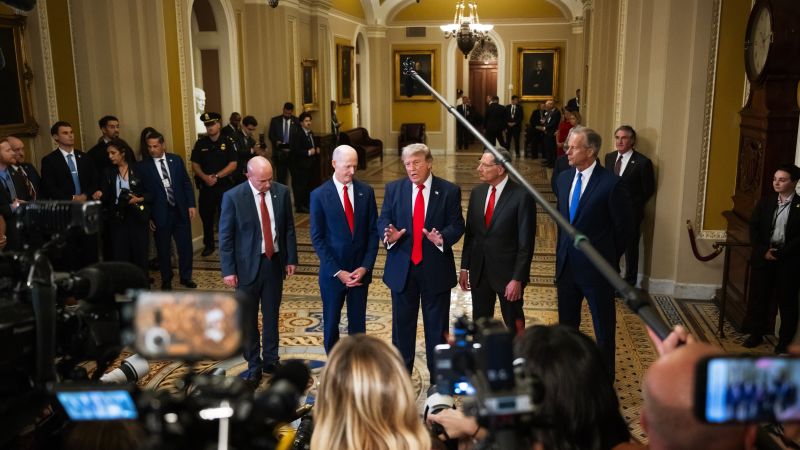
This vote followed a day of intense political maneuvering, as Trump capitalized on the Senate’s initial approval of a similar resolution on Tuesday to criticize lawmakers for not fully aligning with his vision. During a heated lunch meeting with GOP senators, Trump highlighted the perceived betrayal by both those who voted for the resolution and those who missed the opportunity, arguing that Congress had failed to uphold its role in the conflict. “Congress has undermined my position at the negotiating table,” he claimed on Truth Social, framing the vote as a strategic setback for his administration.
Senators’ Shifts and Presidential Reactions
Senator Bill Cassidy, a key Republican who had earlier supported war powers measures, reportedly changed his mind after receiving a detailed briefing from Vice President JD Vance and Special Envoy Steve Witkoff. In a post on X, Cassidy acknowledged the importance of the information shared during their meeting, stating, “I want to thank Vice President Vance and Special Envoy Witkoff for the thorough briefing this afternoon on Iran. I appreciate the quick invitation to the White House to address many of my concerns.” His shift reflected a growing consensus among some Republicans that the administration needed more flexibility in its diplomatic approach.
Senator Rand Paul, another influential figure in the GOP, also adjusted his vote, citing his desire to provide Trump with greater leeway in negotiations. “My opinion on the debate over war and executive power has not changed,” Paul wrote on X, “but since hostilities seem to be over and the President asked me to give consideration to his negotiating position, I will do so. My vote of present is a way to give the President more space and leverage to negotiate a lasting peace.” These statements underscored the internal debate within the Republican Party, with some members prioritizing diplomacy over legislative oversight.
Despite the GOP’s adjustments, the resolution still failed to secure the majority needed for passage. Trump seized the opportunity to celebrate the outcome, praising the shifts in Paul’s and Cassidy’s votes while emphasizing the message sent to Iran. “This vote puts Iran on notice!” he wrote, suggesting that the Senate’s reversal could embolden the administration’s position in future talks. The president’s rhetoric, however, also targeted other Republicans who had not participated in the resolution, including Dave McCormick and Mitch McConnell. McConnell, currently hospitalized, was absent from Tuesday’s vote, while McCormick was en route to Pennsylvania on Air Force One.
Historical Context of War Powers Measures
The Wednesday vote was the 11th time the Senate had addressed Iran-related war powers resolutions since the start of the year, highlighting the persistent focus on executive authority in the conflict. A similar measure had been discharged from committee in a floor vote last month, but Democrats had opted to delay a follow-up vote to build broader support. This strategy backfired as Republicans took the initiative, pushing the measure to the floor with the hope of blocking it.
Trump’s criticism of the resolutions extended beyond the Senate. Earlier this month, after the House passed a concurrent resolution 215 to 208, he called the four Republican lawmakers who supported it “grandstanders” and accused them of acting “unpatriotically.” The Senate’s earlier 50-48 approval of a similar resolution on Tuesday had also drawn his ire, with the president labeling the four Republicans who backed it as “losers” and noting how their support had complicated his diplomatic efforts. These attacks reflected Trump’s broader campaign to reframe the debate around Iran, positioning himself as the sole advocate for a unified national strategy.
Democratic Stance and Strategic Considerations
While the Senate vote fell short of passage, some Democratic senators argued that the resolution was still necessary to ensure accountability. Virginia’s Tim Kaine, for instance, defended the measure, stating, “I think it’s a good time to have the vote to say, ‘Hey, if we’re really in a period of maybe some stability here, let’s not just allow it to start up again without Congress being involved in that decision.’” Kaine’s remarks highlighted the ongoing concern among Democrats that the war could resurge without legislative oversight, even after a preliminary agreement with Iran was reached.
Although the Senate’s reversal of its earlier rebuke was a strategic move, it did not signal a complete capitulation to the administration. Instead, it reflected a nuanced adjustment in the balance of power, with Republicans prioritizing flexibility and Democrats emphasizing the need for continued scrutiny. The resolution’s failure to pass may also be a political calculated step, allowing the Senate to avoid direct confrontation with Trump while preserving the option to revisit the issue in the future.
As the vote concluded, the implications for the Iran conflict and U.S. foreign policy remained uncertain. The shift in senatorial support underscored the challenges of maintaining a unified front on war powers, particularly as the administration sought to navigate a complex web of domestic and international pressures. With the Senate now aligning more closely with Trump’s position, the next steps in negotiations would depend heavily on the president’s ability to leverage this newfound support while addressing concerns about congressional involvement in military decisions.
“Congress has undermined my position at the negotiating table.”
This sentiment, echoed by Trump in his post on Truth Social, encapsulated the tension between the executive and legislative branches. While some senators had initially aligned with the resolution’s goals, their willingness to modify their votes suggested a shift in priorities, favoring diplomacy over immediate legislative action. The outcome left the war powers debate in a state of flux, with the potential for renewed conflict between the branches of government as the Iran conflict continues to evolve.
As the Senate adjourned for the day, the focus turned to the broader implications of the vote. With the resolution’s passage blocked, the administration’s leverage in negotiations appeared strengthened, but the question remained: would this decision pave the way for a more stable resolution with Iran, or merely delay the inevitable return to hostilities? The political maneuvering over the past several weeks had demonstrated the fragile nature of congressional support for war powers measures, leaving the future of U.S. military involvement in the region in a state of uncertainty.
