Mamdani’s hat trick in New York, Trump’s hedged bet in South Carolina, and other takeaways from Tuesday’s primaries

Mamdani’s Hat Trick in New York, Trump’s Hedged Bet in South Carolina, and Other Takeaways from Tuesday’s Primaries
Mamdani s hat trick in New York – Tuesday’s primary elections across the United States delivered a mix of decisive outcomes and shifting political dynamics, offering insights into the evolving landscape of the Democratic and Republican parties ahead of the November midterms. In New York City, Mayor Zohran Mamdani’s influence reached new heights as his endorsed candidates secured victories in three congressional races, reshaping the political terrain in key districts. These wins underscored a growing alignment between the mayor and progressive Democrats, challenging the status quo and signaling potential changes in the Democratic establishment. Meanwhile, in South Carolina, President Donald Trump’s ability to mobilize Republican voters remained a topic of debate, with his candidates facing mixed results in a state traditionally seen as a bellwether for the party’s direction.
New York’s Progressive Surge
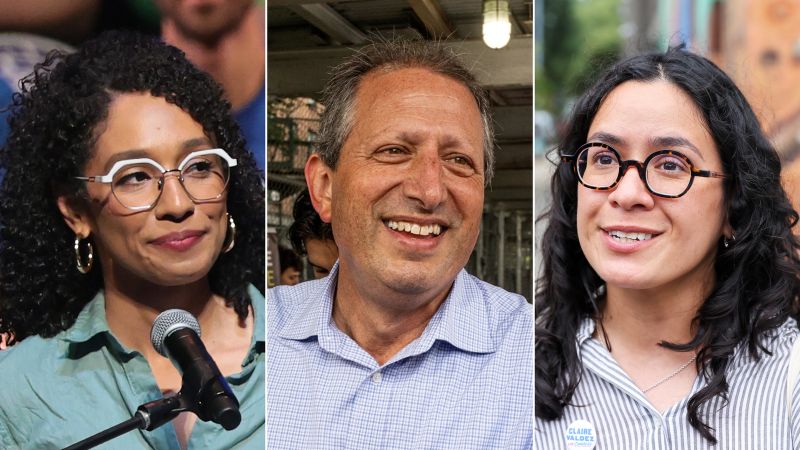
The Democratic socialist mayor of New York, Zohran Mamdani, achieved a rare feat by seeing his preferred candidates triumph in three congressional races. In the 13th Congressional District, democratic socialist Darializa Avila Chevalier outpaced Rep. Adriano Espaillat, the leader of the Congressional Hispanic Caucus, in a contest that centered heavily on U.S. foreign policy, particularly the nation’s ties to Israel. This result marked a significant shift in the district’s political alignment, with voters favoring candidates who emphasized progressive stances over more centrist approaches. Similarly, in the 7th District, democratic socialist Assemblywoman Claire Valdez narrowly defeated Brooklyn Borough President Antonio Reynoso, who was running to replace outgoing Rep. Nydia Velázquez. The race highlighted the rising influence of progressive voices in urban areas, where voter priorities increasingly reflect a desire for bold policy initiatives.
Another notable victory occurred in the 10th District, where Mamdani’s ally, former city comptroller Brad Lander, edged out Rep. Dan Goldman. This outcome was part of a broader pattern in New York, where progressive Democrats are gaining traction in traditionally competitive districts. Mamdani’s success has not only strengthened his position as a political leader but also provided a glimpse into the ideological battles that will define the Democratic Party in the coming years. The mayor’s ability to consolidate support among progressive voters suggests a growing coalition that may challenge the party’s more moderate factions in future races.
Trump’s Struggles in South Carolina
South Carolina’s primary elections on Tuesday revealed mixed signals about President Donald Trump’s appeal among Republicans. While he maintained a strong base of support, his influence in the state appeared limited, particularly among younger and more socially liberal voters. Trump’s campaign focused heavily on issues like immigration and economic nationalism, but these messages did not resonate as strongly as expected in a state with a diverse electorate. The results indicated that the Republican Party’s internal struggles—between establishment figures and more conservative activists—may persist, even as the broader political landscape continues to shift.
Trump’s campaign in South Carolina was also shaped by the state’s unique political culture, which often prioritizes issues like education reform and healthcare policy. However, his candidates faced stiff competition from a range of contenders, including those representing more moderate and establishment-aligned groups. The lack of a clear mandate for Trump’s vision in South Carolina suggests that the party’s future may hinge on its ability to balance traditional values with evolving voter concerns. This was further complicated by the fact that many Republicans in the state were casting their ballots in addition to the presidential race, adding another layer of complexity to the primary outcomes.
State-Level Shifts and National Implications
The ripple effects of Tuesday’s primaries extended beyond New York and South Carolina, influencing the national Democratic narrative. In Washington, D.C., Janeese Lewis George’s victory in the Democratic mayoral primary earlier this month marked a significant step toward a progressive shift in the nation’s capital. Her win, which came in a city known for its liberal leanings, raised questions about the Democratic Party’s ability to maintain its dominance in the face of internal challenges. Similarly, in Los Angeles, democratic socialist city councilwoman Nithya Raman advanced to a runoff against incumbent Mayor Karen Bass, a longtime figure in California’s Democratic establishment. This race highlighted the growing competition between progressive and establishment-backed candidates in major metropolitan areas.
While New York and Washington, D.C., showcased the rise of progressive Democrats, other races revealed a more nuanced picture. In the 12th Congressional District, voters opted for Micah Lasher, a state assemblyman with strong establishment ties, over progressive favorite Alex Bores, who has advocated for stricter regulation of artificial intelligence. This result suggested that in some districts, particularly those with older and wealthier electorates, the appeal of more traditional candidates remains strong. Jack Schlossberg, who aimed to position himself as a reformer within the party, finished third in the race, indicating that his vision for change did not align with the preferences of the electorate.
Utah’s primary elections also provided a glimpse into the broader trends shaping the Democratic Party. Voters in the state supported moderate former Rep. Ben McAdams over several more left-leaning rivals in the newly redrawn 1st District. This outcome highlighted the importance of moderate candidates in swing states, where the balance between progressive and centrist platforms may determine the party’s chances in November. These results collectively illustrated a Democratic electorate that remains deeply opposed to Donald Trump but is increasingly seeking alternatives to the party’s current leadership.
A Changing Democratic Landscape
The upheaval within the Democratic Party is not confined to New York’s five boroughs. Across the country, voters are showing a preference for candidates who embody a more progressive agenda, particularly in cities like Seattle and Washington, D.C. In Seattle, democratic socialist Katie Wilson’s election as mayor further reinforced the trend of progressive leadership in major urban centers. This pattern suggests that the Democratic Party may be undergoing a transformation, with its base shifting toward more radical policies and candidates.
However, this ideological shift has created tension within the party. Democratic officials, including House Minority Leader Hakeem Jeffries, are grappling with the implications of these results. Jeffries, who supported the incumbent Democrats in New York, remarked that he and Mamdani had “agreed to strongly disagree” on the direction of the party’s leadership. This sentiment was echoed by voters in Avila Chevalier’s district, who booed Jeffries during a televised appearance, signaling a rift between progressive and establishment factions. The Democratic Party’s ability to adapt to these changes will be crucial in maintaining its relevance in the upcoming midterms and future elections.
Meanwhile, Republicans are seizing on these developments as an opportunity to critique the Democratic Party’s direction. Senator John Fetterman of Pennsylvania told CNN that “the dirtbag left is surging,” suggesting that the party’s progressive wing is gaining momentum. Cory Booker, a more moderate figure, emphasized the importance of unity, stating, “Our party’s not homogenous. One of the things that make the Democratic Party great is it’s a big tent party. We need to stay that way.” These contrasting perspectives highlight the ongoing debate within the Democratic Party about how to balance its ideological extremes with the need for broader appeal.
The results of Tuesday’s primaries may have far-reaching consequences. If Democrats secure majorities in the House, Senate, or both, the shift toward progressive leadership could influence the party’s strategy for future races. The 2028 presidential election, in particular, may benefit from the growing influence of democratic socialists, who are positioning themselves as potential candidates for the White House. The contest in New York, however, also demonstrated that progressivism is not a universal force, as voters in certain districts continue to favor more centrist candidates. This duality within the party underscores the complexity of the political landscape and the challenges ahead.
As the Democratic Party navigates these changes, it must address the concerns of its base while appealing to moderate voters. The primary elections have served as a test of this balancing act, with outcomes that reflect both the party’s strengths and vulnerabilities. For Republicans, the challenge is to leverage these divisions against Democrats in battleground states, turning progressive policies into campaign issues that resonate with a broader audience. Tuesday’s results will undoubtedly shape the strategies of both parties in the months to come, as the path to November’s midterms becomes increasingly clear.