Trump immediately fires the new court-appointed top prosecutor in Seattle

Seattle’s Newly Appointed Federal Prosecutor Dismissed Within Hours
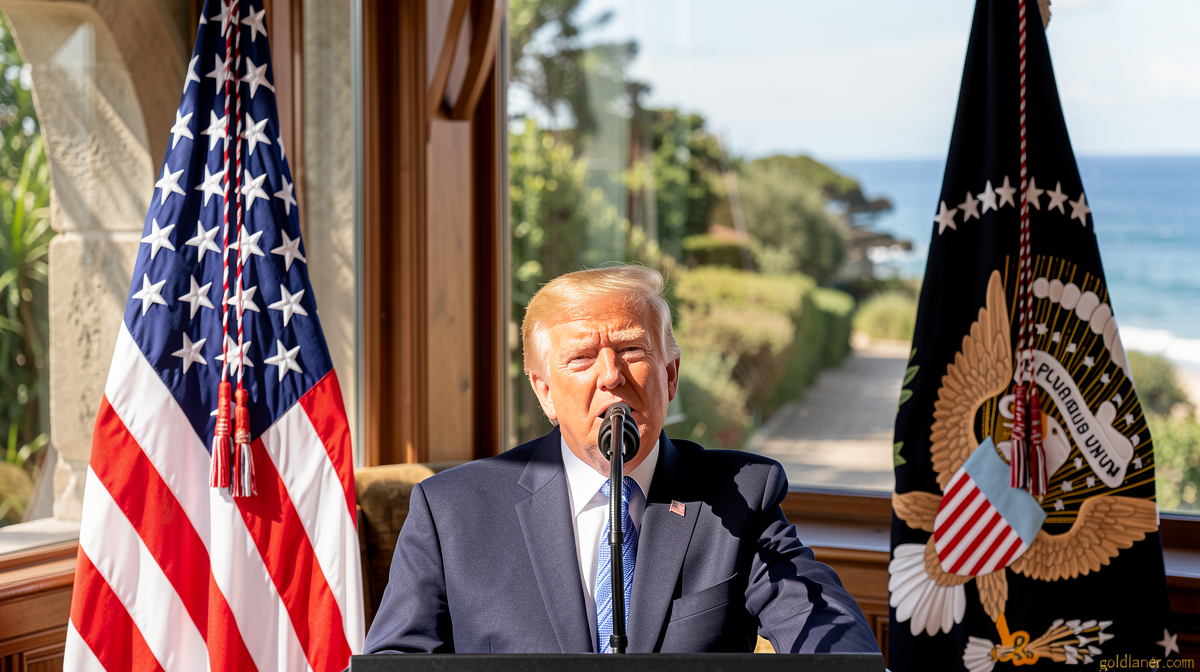
Trump immediately fires the new court – President Donald Trump moved swiftly to remove Roger Rogoff from his position as the top federal prosecutor in Seattle on Wednesday, acting less than sixty minutes after federal judges unanimously selected him for the role. This rapid dismissal underscores growing friction between the judicial branch and the executive branch regarding control over significant legal appointments.
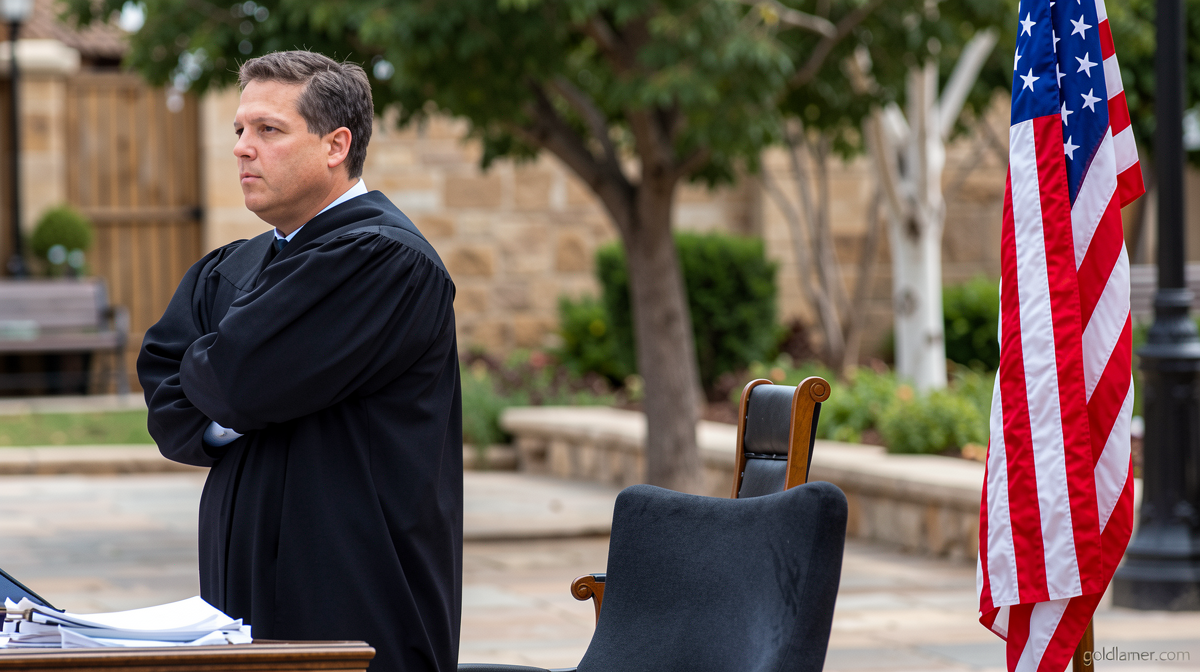
Rogoff, who brings extensive experience as both a former judge and a seasoned prosecutor at state and federal levels, took his oath of office before eight o’clock in the morning at the Seattle courthouse located in the city center. Following the ceremony, he contacted the US Attorney’s Office to arrange a meeting with Charles Neil Floyd, whose twelve-month interim tenure as US attorney concluded earlier in February.
While Rogoff waited in the building’s lobby for his scheduled discussion, an email arrived from the Trump administration notifying him of his removal from office. He has since begun consulting with legal counsel regarding potential litigation over the dismissal.
Legal Framework and Presidential Authority
Under standard procedure, presidents select US attorneys for each judicial district, with those positions requiring Senate confirmation unless filled through temporary arrangements. When interim appointments expire without a confirmed nominee, district judges possess the authority to designate a replacement. However, the Trump administration has increasingly utilized creative personnel strategies to retain unconfirmed prosecutors beyond their original terms.
Acting US Attorney General Todd Blanche addressed the situation in a Wednesday social media statement, explaining that district court judges hold appointment power while the president retains removal authority. Blanche further criticized the Seattle judges for bypassing traditional consultation with the administration, arguing that this deviation undermined the established process for selecting qualified candidates aligned with presidential priorities.
Trump initially appointed Floyd, an immigration judge by background, as interim US attorney last October but never submitted his nomination to the Senate. Once Floyd’s interim period ended, the administration reclassified him as first assistant US attorney while leaving the primary position vacant—a strategy the administration has attempted in multiple federal districts. A federal appeals court panel voiced doubts about the legality of this approach in May.
Judicial Selection and Political Response
The Seattle federal judges initiated a competitive application process for the US attorney position, establishing a bipartisan review committee to evaluate candidates. On Wednesday morning, seventeen active and senior judges—appointed across five different presidential administrations—issued their unanimous decision to name Rogoff as the US attorney for western Washington.
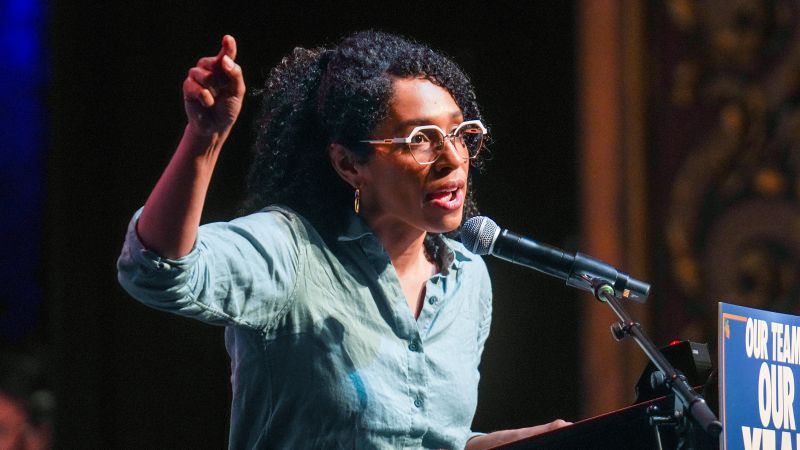
Democratic Senator Patty Murray of Washington, who had previously opposed Floyd’s appointment, strongly criticized the administration’s swift action. In a written statement, Murray emphasized Rogoff’s dedication to public service and the legal validity of his judicial appointment. She characterized the administration’s approach as avoiding proper advice and consent procedures in favor of installing loyalists to advance what she described as a corrupt political agenda.
Broader Pattern of Dismissals
Rogoff’s dismissal follows a series of similar actions across the country. In December, Alina Habba stepped down as New Jersey’s top federal prosecutor following an appeals court determination that she had been serving unlawfully. Meanwhile, Lindsey Halligan departed her acting US attorney position in Virginia after a judge ruled her appointment invalid and ordered the dismissal of indictments she had secured against James and former FBI Director James Comey.
The Virginia judges subsequently appointed James Hundley, a legal professional with over three decades of experience handling criminal and civil matters, but the administration promptly removed him from the role. Additionally, a court-appointed US attorney in northern New York faced similar treatment.
Rogoff’s Perspective
With twenty years of service as a state prosecutor and six years as a federal prosecutor before transitioning to the state bench, Rogoff acknowledged that an immediate dismissal was possible. Nevertheless, he expressed no hesitation about the potential conflicts ahead.
Being US attorney is the best job there is for a prosecutor, Rogoff stated, reflecting on his professional journey.
I’m really proud of my career, Rogoff continued. The fact that the judges of this district—most of whom I’ve spent my career appearing in front of, or trying cases against, or working with—believed that I was the right person to do this work is just really humbling and amazing.