5 takeaways from Trump’s primetime speech on elections

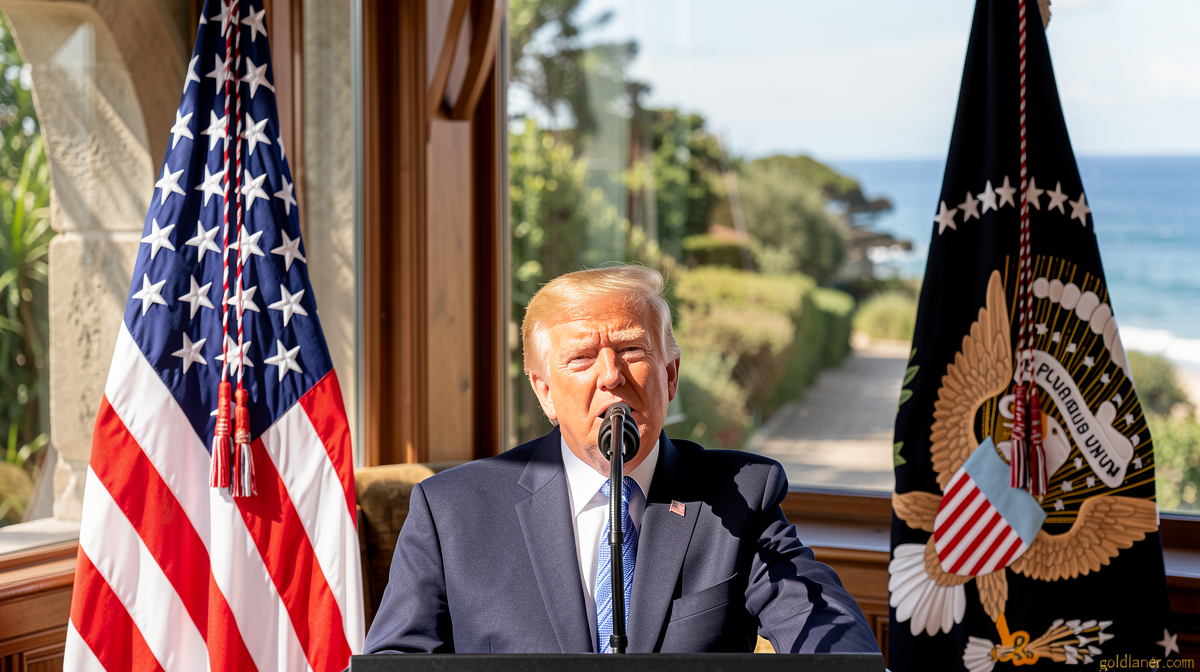
Examining the Significance of Trump’s Election Address
5 takeaways from Trump s primetime – While President Donald Trump’s Thursday evening White House presentation may not have dominated headlines, observers suggest this address regarding potential weaknesses within America’s electoral framework could prove historically important. The timing positions it as an early indicator of strategies Trump might employ to challenge the upcoming 2026 contest. Several key observations emerged from the remarks.
Declassified Documents and Their Context
Similar to his April address concerning the Iran conflict, this evening speech resembled something that might have occurred during regular daytime press briefings. The centerpiece involved newly declassified papers Trump asserted had been concealed from both himself and citizens, supposedly demonstrating that the American voting apparatus falls “catastrophically short” of necessary standards.
However, initial analysis by CNN revealed these documents primarily addressed vulnerabilities already recognized within the electoral system. Many concerns raised had appeared in a 2021 evaluation produced by the United States intelligence community. A significant portion of the material presented lacked comprehensive review. Trump himself referenced “raw intelligence” during portions of his address, potentially signaling the unvetted nature of some claims.
China and Voter Files
Before alleging a substantial cover-up, Trump highlighted what he presented as primary evidence: China’s alleged acquisition of hundreds of millions of American voter records. Yet this connection appeared in the earlier 2021 assessment, which determined that China “probably also continued longstanding efforts to gather information on US voters and public opinion; political parties, candidates and their staffs; and senior government officials.” The evaluation noted such activities extended back to at least 2008, aimed at shaping how Beijing could influence American policy decisions.
Importantly, that same assessment concluded China did not actually interfere with the 2020 presidential contest. Trump also referenced China, as of 2019, “undermining domestic confidence” in his leadership, though this represents a different category than direct electoral interference. Notably, he failed to cite concrete proof that any foreign nation altered actual voting outcomes or election results.
“Zero evidence that a foreign power flipped a vote in 2020, 2022 or 2024,” conservative journalist John Solomon acknowledged following the address. Solomon had collaborated with the White House on document releases, making this admission particularly noteworthy given Trump’s persistent assertions over several years.
Intentions for 2026
The speech’s importance lies less in groundbreaking revelations and more in signaling potential future actions. Trump’s track record of falsely characterizing unfavorable elections as rigged—coupled with the January 6, 2021 violence—makes this timing significant. With the 2026 election approaching in under four months and polling suggesting difficulties for Republicans, the address warrants attention.
Trump avoided previewing aggressive federal intervention in state election administration, such as altering voting procedures or deploying military personnel to polling locations, concerns voiced by some critics. Instead, he appeared to set up another narrative of stolen elections.
“Put together, these disclosures reveal an election system so broken and so vulnerable that no one can possibly defend it,” Trump declared. “It is not defensible.” He went further, hyperbolically stating American elections were “worse than any Third World country.”
The president indicated the federal government would “working closely (with states) to mitigate any harm, and we’re taking swift action to ensure that sensitive voter data is better protected.” He also made clear his willingness to label the next contest rigged, particularly if Congress fails to enact the “SAVE America Act” legislation he has championed.
“But most importantly, addressing this crisis of election security demands that Congress must pass the SAVE America Act,” Trump emphasized. He paused dramatically, appearing somewhat indignant. “How easy is that to do? Unless you want to cheat. The only reason you wouldn’t do it is you want to cheat because your policies are so bad and your candidates are so pathetic that you can’t get elected any other way.”
The SAVE America Act faces considerable obstacles to passage, with several prominent Republican figures encouraging Trump to acknowledge this reality. Nevertheless, should Congress reject the legislation, Trump’s potential response following a 2026 Republican defeat becomes easier to anticipate.
All twenty-four Democratic governors issued a joint statement after the address, contending Trump aimed to “intimidate and silence voters.” They expressed concern that the president’s messaging could undermine public trust in electoral processes ahead of the upcoming contest.