
Supreme Court rejects Big Pharma appeals challenging negotiated drug prices in Medicare
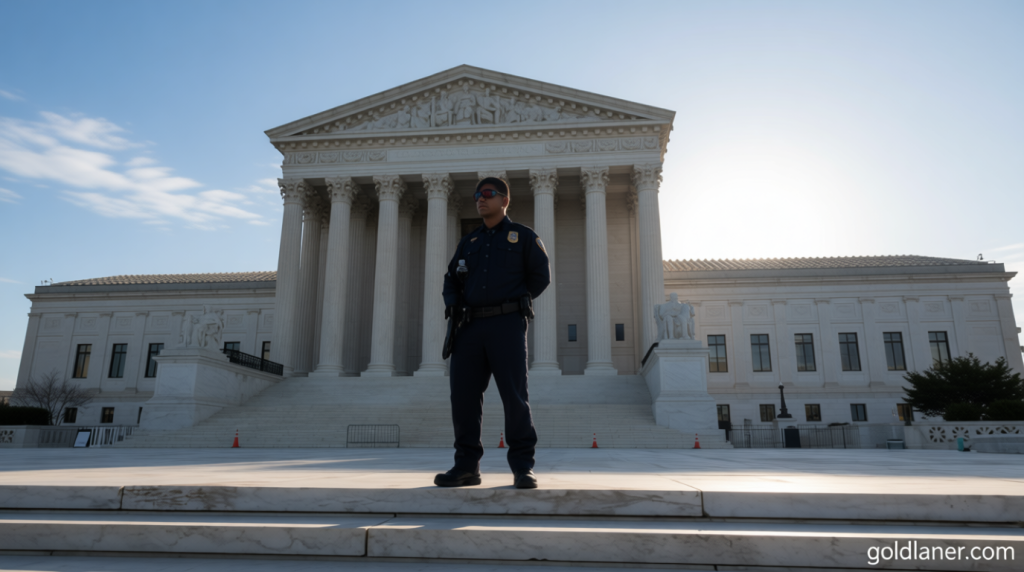
Supreme Court Rejects Big Pharma’s Medicare Drug Price Challenge
Supreme Court rejects Big Pharma appeals – The U.S. Supreme Court has dismissed appeals from major pharmaceutical companies, effectively ending their legal fight over Medicare’s drug price negotiation program. In a swift decision, the court ruled against Big Pharma’s efforts to block the initiative, which aims to lower prescription costs for seniors by allowing the government to renegotiate prices for specific medications. This ruling underscores the government’s authority to implement the 2022 Inflation Reduction Act provisions, a landmark effort to curb rising healthcare expenses. With the appeals rejected, the program moves forward, marking a significant win for policymakers and advocates pushing for more affordable drug pricing.
Program Framework and Savings Potential
Under the Medicare drug price negotiation framework, the federal government can engage in direct talks with manufacturers to secure lower rates for selected medications. This program, which began in 2022, has already led to notable savings, with the first round of negotiations cutting costs for 10 drugs by billions of dollars. The savings are expected to grow in subsequent rounds, with the second set of 15 drugs projected to save $12 billion and reduce individual expenses by $685 million. These reductions will take effect next year, offering seniors tangible relief while also easing the financial burden on the Medicare system.
Big Pharma had argued that the program’s pricing model was unfair, claiming it forced them into “sham negotiations” without adequate compensation. Critics also pointed to constitutional concerns, asserting that the process violated due process by allowing the government to dictate terms without sufficient transparency. However, the Supreme Court’s decision reinforced that participation in Medicare is voluntary, and companies retain the option to withdraw if they disagree with the agreed-upon prices. The ruling also highlighted the program’s ability to harness Medicare’s massive purchasing power to benefit both patients and taxpayers.
Legal Arguments and Industry Pushback
For three years, pharmaceutical firms and their allies have challenged the program in federal courts, citing constitutional issues that they claim threaten their business autonomy. A central argument focused on the Fifth Amendment, which guarantees just compensation for private property. Manufacturers argued that the negotiated prices amounted to an unconstitutional “taking” of their drug pricing rights, as they claimed the government imposed terms without fair market value. Legal experts, however, dismissed these claims as weak, emphasizing that the courts have consistently upheld the program’s legitimacy.
“The industry’s constitutional arguments lacked substantial grounding. Courts have repeatedly affirmed the government’s right to negotiate drug prices under Medicare,” said Andrew Twinamatsiko, a law professor at Georgetown University. “While the drugmakers raised concerns about due process, the courts recognized that they could still exit the program if they found the terms unfavorable.”
The legal battle also revolved around the Centers for Medicare and Medicaid Services (CMS), with opponents accusing the agency of overstepping its authority. Critics highlighted that the first two rounds of negotiations lacked a public comment period, which they argued was essential for due process. Despite these complaints, lower courts maintained that the program’s structure was constitutional, noting that CMS’s role is to manage the program and that manufacturers retain the freedom to opt out. The Supreme Court’s final decision aligns with this interpretation, allowing the initiative to proceed unimpeded.
One of the most notable examples of the program’s impact is the case of Farxiga, a diabetes medication produced by AstraZeneca. The drug’s negotiated price under Medicare resulted in a 68% discount compared to its list price, illustrating the potential for significant cost reductions. Similarly, Bristol Myers Squibb’s Eliquis, a blood thinner, was among the first drugs included in the negotiations
