
Why the World Cup is a ‘make or break’ moment for alcohol
Why the World Cup is a ‘make or break’ moment for alcohol
The Global Alcohol Industry Faces a Crucial Test
Why the World Cup is a make – The FIFA World Cup, a colossal sporting event that unites millions across the globe, is increasingly being viewed as a pivotal moment for the alcohol industry. As the tournament unfolds in the United States, where consumption patterns have shifted significantly over recent years, brands are scrambling to leverage the event’s massive audience to reverse declining trends. Despite the potential for widespread celebration, the alcohol sector faces an uphill battle, with some companies citing a prolonged drop in sales that has affected their bottom lines.
“The alcohol business in the United States is struggling more than in virtually any other part of the world,” said Bourcard Nesin, a beverage analyst for Rabobank. “We’re seeing dramatic declines in consumption that aren’t taking place elsewhere.”
For years, the industry has grappled with a slowdown in demand, exacerbated by economic pressures and changing consumer preferences. In 2025 alone, alcohol volume sales dropped by 6%, according to the International Wine and Spirits Foundation (IWSR). This decline has forced companies to rethink their marketing strategies, aiming to create a surge in consumption that could last for weeks or even months. The World Cup, with its 104 matches spread over nearly six weeks, offers a unique opportunity to capture attention and stimulate sales in a market that is currently in need of a rebound.
Diageo Seizes the Opportunity as First Spirits Sponsor
Diageo, a leading spirits company, has positioned itself as the first-ever global spirits sponsor of the World Cup, marking a significant shift in the tournament’s commercial landscape. This partnership will see the brand’s products exclusively served at stadiums and fan festivals, a move designed to capitalize on the event’s cultural impact. For the first time, liquor will be sold directly at the tournament, signaling a bold step into a new era of sports-driven consumption.
“The World Cup will increase consumption of beer, wine and spirits without question,” Nesin told CNN. “It’s a big boost for them at a time when they need it in a market where they need it most.”
Diageo’s CEO, Dave Lewis, acknowledged the stakes, noting that the North American market has been a key challenge for the company. Recent financial reports reveal a 9% drop in North America revenue, with spirits sales in the US declining by 15% due to reduced interest in tequila brands like Casamigos. Lewis described the tournament as a “voyage of discovery,” emphasizing the importance of gauging consumer response to the expanded sponsorship. However, Diageo’s vice president of global sports partnerships, Rick Pineda, expressed optimism, stating that tequila and whiskey are “huge with soccer consumers.”
Marketing Strategies Across the Beverage Spectrum
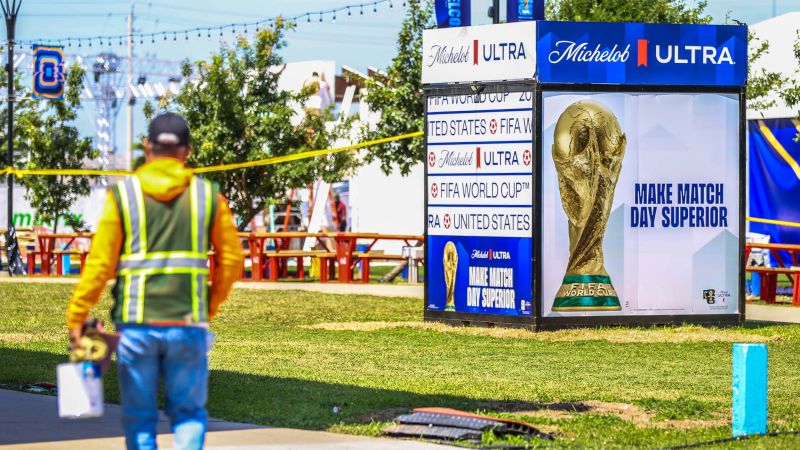
While Diageo focuses on spirits, other major players are adjusting their tactics to maximize the World Cup’s influence. Anheuser-Busch InBev, the official beer sponsor, has long dominated the event with Budweiser, but this year’s strategy highlights Michelob Ultra—a low-carb brand that has emerged as a standout in the beer category. The company’s decision to feature Michelob Ultra on an MVP trophy aligns with its broader effort to position itself as a leader in health-conscious options.
Heineken, though not a World Cup sponsor, is pouring resources into bar promotions, increasing its marketing spend by nearly 200% in anticipation of a sales revival. The brand is set to distribute soccer-themed signage and pennants, alongside limited-edition packaging that appeals to fans. Similarly, Molson Coors has boosted its ad budget by 60% this summer, incorporating a creative twist: a new slogan that echoes the passionate exclamations of Spanish announcer Andrés Cantor, who shouts “goooool” with characteristic flair.
“Big Beer is also pumping millions into sponsorships and promotions in hopes of improving sales,” Nesin noted. “The question is how much of a boost is enough?”
These efforts underscore a broader industry trend—shifting focus from traditional beer-centric strategies to more diverse approaches that include spirits and non-alcoholic beverages. Coors 0.0%, a non-alcoholic option, is gaining traction as part of Molson Coors’ campaign, tapping into the growing demand for lower-calorie alternatives. The World Cup’s role in this transformation is seen as a critical trial, where the success of these initiatives could determine whether the alcohol industry can recover from its current slump.
A Communal Experience That Drives Consumer Engagement
One of the key advantages of the World Cup is its ability to foster a sense of shared excitement, which analysts believe could drive temporary spikes in sales. Nesin highlighted that sporting events naturally create a communal atmosphere, encouraging people to gather and consume alcohol in social settings. This dynamic is expected to benefit beer brands more than spirits, as football fans remain deeply tied to traditional drinks.
“This is a Super Bowl that lasts a month,” Nesin remarked, comparing the World Cup’s scale and influence to the highly anticipated American football event.
For Anheuser-Busch, the World Cup’s extended format presents an ideal platform to showcase its beer offerings. CEO Michel Doukeris emphasized the importance of bars as venues for group viewing, stating that the company is investing in promotional activities to make these spaces more appealing. Similarly, Heineken’s aggressive bar campaigns aim to reinvigorate interest in its products, while Molson Coors uses the tournament to highlight its non-alcoholic line, reflecting the industry’s evolving priorities.
The Road Ahead for the Alcohol Sector
As the World Cup kicks off, the alcohol industry is holding its breath, hoping the event will provide a much-needed jolt to its sales. While the tournament may not fully reverse long-term trends, it offers a chance to test new strategies and gauge consumer behavior in real-time. Companies like Diageo, Heineken, and Molson Coors are betting that the global reach of the event can overcome local challenges, particularly in the United States.
The stakes are high, with the tournament’s timing coinciding with a particularly difficult period for the alcohol market. However, the potential for a significant boost—whether through spirits, beer, or non-alcoholic alternatives—has spurred unprecedented investment. For Diageo, the World Cup represents more than just a sponsorship; it’s a strategic move to reclaim its position in a market that has seen a decline in spirit sales. With the tournament’s long format and the presence of iconic players, the opportunity to reconnect with consumers is more tangible than ever.
Ultimately, the success of these initiatives will depend on how effectively brands can tap into the emotional and social aspects of the event. The World Cup’s ability to unite fans across borders and create a shared experience may prove to be the industry’s best hope for a rebound. As the matches progress, the alcohol sector will be watching closely, hoping that this “make or break” moment delivers the momentum it desperately needs.
