Trump again tries to curb birthright citizenship and ‘birth tourism’ through executive action

Daftar Isi
Trump Revises Approach to Birthright Citizenship Following Supreme Court Setback
Goldlaner.com – President Donald Trump has launched a renewed effort to restrict birthright citizenship and what critics call “birth tourism,” adopting a more measured strategy after facing judicial resistance. The administration’s latest moves come in the wake of a significant Supreme Court ruling that invalidated Trump’s previous attempt to limit citizenship for children born on American soil to non-citizen parents.
On Thursday, the president signed two executive orders addressing these immigration concerns. Rather than attempting to overturn the constitutional guarantee entirely, these new directives appear to strengthen existing legal frameworks while narrowing the categories of people eligible for automatic citizenship through birth.
Learning from Judicial Pushback
The timing of these executive actions reflects careful consideration of the Court’s June 30 decision. That ruling, which came by a five-justice majority, firmly established that the Fourteenth Amendment protects citizenship for anyone born within U.S. borders, regardless of their parents’ immigration status. The decision was particularly notable for its robust defense of this principle, which has been understood in American law for over a century.
Citizenship, then and now, was the right to have rights — to freely participate in our political community. The Framers of the Fourteenth Amendment extended that promise to ‘every free-born person in this land.’ We keep that promise today.
Chief Justice John Roberts, writing for the majority, emphasized the historical continuity of this interpretation. His opinion represented a significant victory for those who view birthright citizenship as a foundational element of American identity.
Targeting Specific Categories
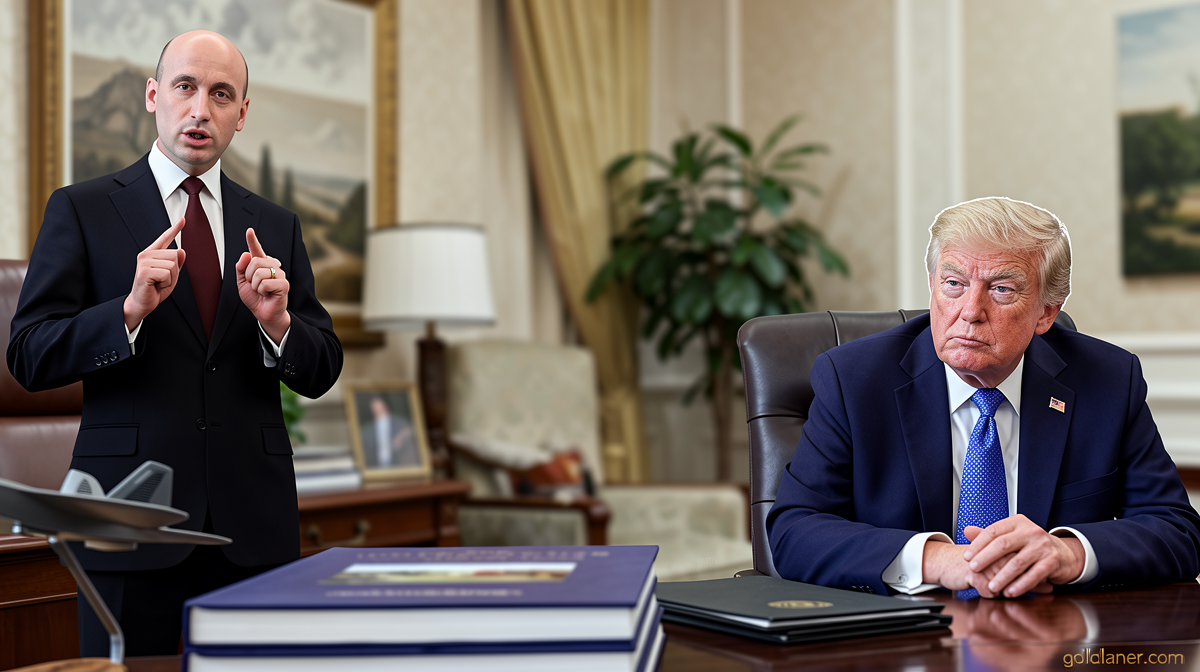
One of Trump’s executive orders focuses on what officials term “alien enemies.” This provision would exclude children born to members of foreign terrorist organizations and individuals who lobby or act on behalf of foreign governments from automatic citizenship. Stephen Miller, the White House deputy chief of staff and principal architect of the administration’s immigration agenda, explained that this order creates new categories of ineligibility.
The second executive order addresses birth tourism more directly. While American law already prohibits visa issuance for individuals whose primary purpose is giving birth in the United States to secure citizenship for their child, the new order aims to strengthen enforcement mechanisms. Miller characterized this as a comprehensive ban on birth tourism, though legal experts note uncertainty about how substantially this advances existing statutory provisions.
We had a very unfortunate decision in the Supreme Court concerning birthright, Trump told reporters in the Oval Office Thursday.
Dissenting Voices
The Court’s decision drew sharp criticism from conservative justices who argued that the ruling failed to address the specific concerns Trump initially raised. Justice Clarence Thomas, joined only by Justice Neil Gorsuch, wrote that the Court had “repurposed the Fourteenth Amendment to protect its own set of preferred rights that the Reconstruction Congress never contemplated.”
Justice Samuel Alito issued a separate dissent, noting that the Court’s interpretation now confers citizenship on virtually everyone born in the country, including children of “birth tourists” and undocumented immigrants. Alito specifically highlighted women who travel to the United States solely to give birth and then promptly return home.
Notably, Justice Brett Kavanaugh reached a different conclusion than the conservative majority. He determined that Trump’s original executive order was invalidated not by the Fourteenth Amendment itself, but by existing federal law.
Historical Context and Exceptions
The Supreme Court has long recognized certain exceptions to the birthright citizenship principle. The Court’s recent decision reaffirmed that children born to foreign diplomats and to “enemies” during periods of “hostile occupation” do not automatically receive citizenship. These narrow carve-outs represent the traditional boundaries of the constitutional guarantee.
Beyond these exceptions, the Court’s ruling confirmed that children born on American soil are citizens even when their parents are in the country illegally or on temporary visas. This interpretation has remained largely stable since the post-Civil War era, providing a consistent framework for determining citizenship by birth.
Looking Ahead
Trump’s revised approach suggests the administration may pursue legislative solutions rather than relying solely on executive authority. By working within the existing legal structure and targeting specific categories of non-citizens, the president hopes to achieve some of his immigration objectives without triggering further judicial intervention.
The executive orders also signal a broader strategy of tightening enforcement of existing laws rather than attempting to fundamentally alter constitutional interpretations. This measured approach may prove more durable in the long term, particularly given the Court’s clear message that birthright citizenship remains a protected constitutional right.
As the administration implements these new directives, observers will watch closely to see how they affect immigration patterns, particularly among families from countries where birth tourism has become increasingly common. The practical impact of these orders will depend largely on how federal agencies choose to enforce the expanded categories of ineligibility and strengthen existing visa restrictions.
Related Reading
Frequently Asked Questions
What is Trump again tries to curb birthright?
Trump again tries to curb birthright is the main topic of this guide. The article explains the context, practical details, and next steps readers should understand.
Why does Trump again tries to curb birthright matter?
Trump again tries to curb birthright matters because readers are looking for a useful answer, not just a short summary. Good content should match search intent and help them decide what to do next.