What happens now that a Senate panel voted to hold Fauci in contempt

Daftar Isi
Senate Committee Advances Contempt Referral Against Dr. Fauci in Bipartisan Break
Goldlaner.com – A significant political and legal development unfolded Thursday as Republican Senator Rand Paul formally directed the Justice Department to pursue contempt charges against Dr. Anthony Fauci. The referral follows a narrow 8-7 committee vote that broke along party lines, marking a pivotal moment in the ongoing congressional scrutiny of the former CDC director’s conduct during the pandemic era.
Committee Vote and Procedural Innovation
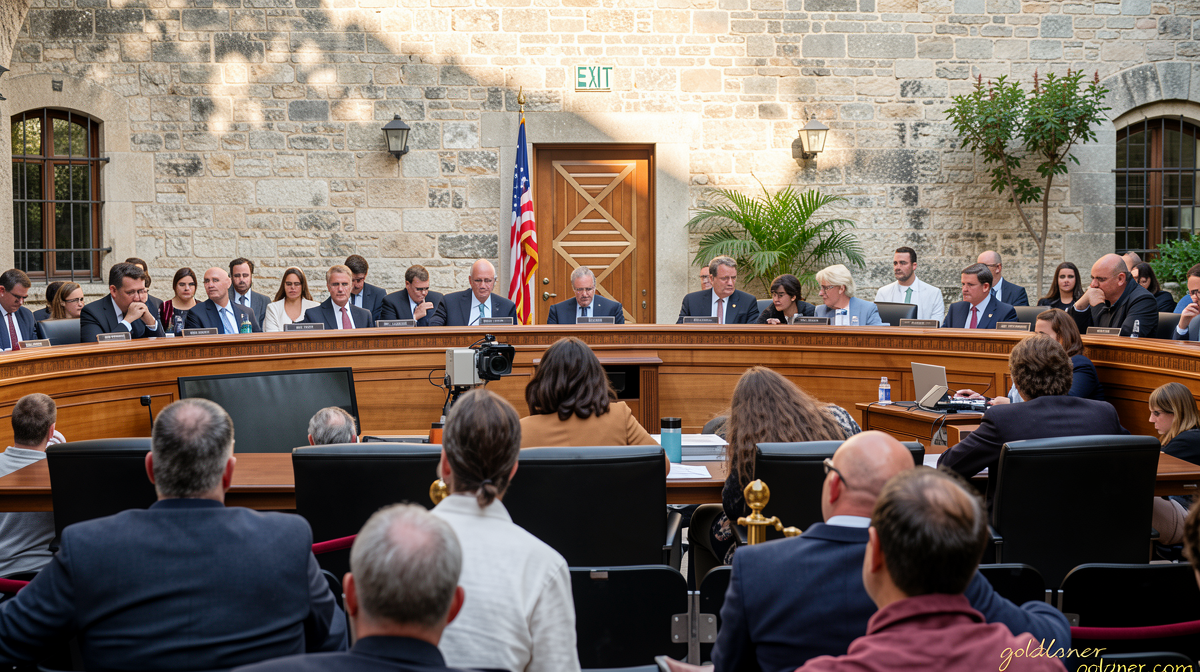
The Senate Homeland Security and Governmental Affairs Committee moved forward with the contempt referral after Fauci declined to answer more than 100 questions during a contentious hearing, repeatedly invoking his Fifth Amendment protection against self-incrimination. Rather than following traditional congressional procedures, Paul’s office is attempting to expedite the process by bypassing a full Senate vote.
“It doesn’t have to go to the House, doesn’t have to be signed by the president, and really doesn’t have to go before the Senate,” Paul explained regarding his referral mechanism. The Justice Department confirmed receipt of the document Thursday afternoon, stating it would review the matter and coordinate with congressional authorities accordingly.
Legal Questions and Constitutional Implications
The referral raises several constitutional questions that legal experts suggest could result in extended litigation. Contempt of Congress represents a criminal offense carrying potential imprisonment of up to one year. However, the central debate centers on whether Fauci’s Fifth Amendment invocation remains valid given claims that former President Joe Biden issued a preemptive pardon covering pandemic-era actions under investigation.
According to the committee’s resolution, Vice President JD Vance must provide constitutional approval for circumventing standard procedures before the Justice Department can determine whether prosecution is warranted. This procedural innovation has drawn both support and criticism from legal scholars.
Democratic Opposition and Oversight Concerns
Democratic committee members made repeated attempts to postpone the contempt vote, expressing apprehension about establishing precedent for future congressional oversight capabilities. Senator Gary Peters, the committee’s senior Democrat, emphasized the importance of preserving institutional authority.
“Members of this committee should move to table this resolution until we can be assured by the chairman that he will not take actions that weaken the Senate’s and this committee’s ability to conduct oversight in the future.”
Republican members ultimately rejected these efforts to derail the proceedings, allowing the referral to advance despite Democratic objections about the accelerated timeline and potential precedent-setting implications.
Fauci’s Legal Team Responds
Following the committee’s decision, Fauci’s attorney David Schertler characterized the action as politically motivated rather than legally grounded. He emphasized that his client had committed no criminal violation and had merely exercised constitutional protections.
“For years, Senator Paul has proclaimed to anyone who would listen that Dr. Fauci should be prosecuted and put in prison. Dr. Fauci has committed no crime – and Senator Paul knows it.”
Broader Context and Future Implications
This development represents the latest chapter in Republican efforts to hold Fauci accountable for alleged misrepresentations during the pandemic response. While Republicans have consistently accused the former CDC director of lying and concealing information, they have yet to present comprehensive evidence supporting their claims of a systematic cover-up.
Paul indicated that Congress must eventually enact legislative reforms to strengthen future pandemic preparedness, but emphasized that meaningful reform requires first resolving outstanding questions about Fauci’s testimony and conduct. The Justice Department’s review will likely take several weeks, with potential court challenges potentially extending the timeline considerably.
Legal analysts note that even if contempt charges proceed, the ultimate outcome depends on judicial interpretation of Fauci’s Fifth Amendment rights and the validity of the alleged Biden pardon. A successful prosecution would establish significant precedent for congressional authority over executive branch officials, while failure could limit future oversight mechanisms.
The situation also highlights broader tensions between congressional investigation powers and executive privilege, particularly as both chambers prepare for potential legislative changes affecting pandemic response protocols and governmental transparency requirements.
Related Reading
Frequently Asked Questions
What is What happens now that a Senate?
What happens now that a Senate is the main topic of this guide. The article explains the context, practical details, and next steps readers should understand.
Why does What happens now that a Senate matter?
What happens now that a Senate matters because readers are looking for a useful answer, not just a short summary. Good content should match search intent and help them decide what to do next.