Pete Buttigieg is becoming a prolific endorser of Democrats, with some clues to his future


Pete Buttigieg’s Midterm Campaigning Marks a Shift in Democratic Strategy
Pete Buttigieg is becoming a prolific – In the heart of a deeply conservative region of Georgia, Shawn Harris faces a unique political challenge. As a candidate in a congressional district historically dominated by Republicans, Harris understands the pressure of aligning with national figures. “Because I live in a ruby-red district, I can’t have every nationally known Democrat come here and support me,” he explained to CNN. “It doesn’t fit what we’re trying to do.” Despite this, Harris welcomed Pete Buttigieg’s endorsement ahead of a March special election runoff, a decision that proved pivotal. Though he lost the race, Harris exceeded previous Democratic performance in the area, signaling a potential turning point. He now hopes Buttigieg will return to the district in the fall for the general election, aiming to bolster his chances in a region that once seemed insurmountable for Democrats.
A Campaigner Without a Government Post
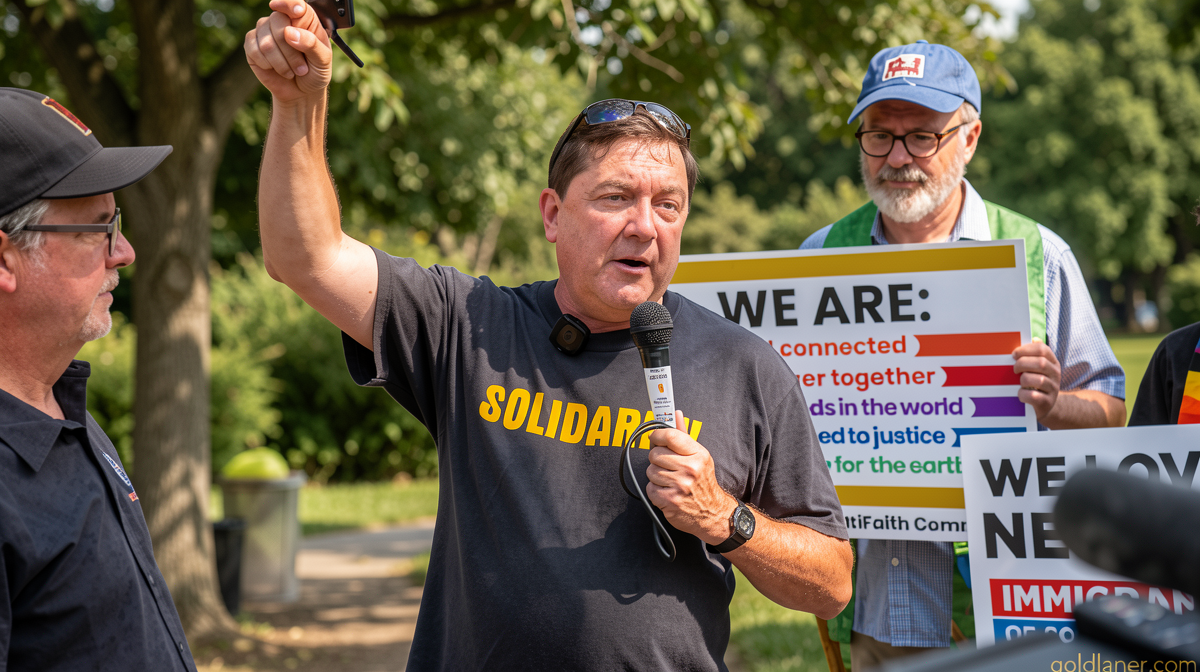
Pete Buttigieg, the former South Bend mayor and 2020 presidential candidate, has become a central figure in this year’s midterm elections. Unlike other potential 2028 contenders who juggle national ambitions with state-level reelection campaigns, Buttigieg operates with greater flexibility. Currently residing in Michigan, he has no official government role, allowing him to focus on grassroots efforts. This has made him one of the most active midterms campaigners among prospective presidential candidates, supporting over 30 races and traveling to more than a dozen states. His involvement extends beyond mere endorsements, as he aims to build a legacy as a unifying force within the Democratic Party.
Buttigieg’s strategy is particularly focused on amplifying underrepresented voices. His recent support for Black Democrats, such as Aaron Ford in Nevada and Jasmine Clark in Georgia, reflects a deliberate effort to address a critical weakness from his 2020 campaign. During that race, his lack of traction among Black voters was a notable hurdle, despite his rise from mayor to a top-tier contender. Now, he is positioning himself as a champion for communities that played a key role in his earlier defeat. “I want to be useful to citizens organizing to fix broken systems, and candidates who represent a better version of our politics,” he said in a statement to CNN. This focus on inclusivity and grassroots engagement is reshaping his political profile.
Building Alliances and Testing Waters
Buttigieg’s campaign work has also positioned him as a key player in intraparty dynamics. In Michigan, his endorsement of Chedrick Greene—a Black Democrat who won a hard-fought special election for the state Senate—demonstrates his ability to sway traditionally conservative districts. Greene’s victory in a race where the party’s majority was at risk underscores Buttigieg’s growing influence. Similarly, his support for Josh Turek in Iowa’s Senate race highlights his willingness to take on contentious debates within the party, even in states where his presence is a novelty.
While some of his efforts are targeted, others are broader in scope. Buttigieg has visited competitive states like Pennsylvania, Nevada, and New Hampshire, as well as Republican strongholds such as Montana and Oklahoma. This cross-state approach allows him to test his messaging in diverse environments. In Montana, he recently campaigned for a ballot measure to ban corporate money in state politics, emphasizing the need for leaders who prioritize integrity and connection to local communities. “Jamie Ager, a fourth-generation farmer, reflects a need for leaders with integrity, leaders with heart, leaders who are connected to a sense of place,” he remarked during a visit to a rural district in North Carolina, where Trump had carried the area by 10 percentage points in 2024.
His political group, Win the Era, has been instrumental in this process. Founded during his 2020 campaign, the organization now serves as a platform for mobilizing voters and supporting emerging candidates. However, Buttigieg’s influence extends beyond his own network. He has also aligned with The Bench, a new group led by former aides like Andrew Mamo, who describe their mission as “recruiting and supporting the next generation of Democratic leaders.” This collaboration suggests a broader vision of cultivating a pipeline of candidates who can carry the party’s message into traditionally Republican territories.
Strategic Endorsements and a New Political Identity
Buttigieg’s endorsements have not only strengthened individual campaigns but also positioned him as a symbol of Democratic resilience. His support for candidates like Ford and Clark, who represent marginalized communities, has helped bridge the gap between national policy and local representation. In a state like Nevada, where Ford is running for governor, Buttigieg’s backing could be a game-changer. Similarly, his presence in Atlanta’s suburbs, where Clark is challenging a Republican-held seat, reinforces his commitment to expanding Democratic reach in key battlegrounds.
The 2020 campaign, which saw Buttigieg fall short of securing the presidency, has been a catalyst for his current strategy. While his inability to rally Black voters was a glaring weakness, he now leverages that experience to target specific demographics. “This is going to be the biggest midterms of our lifetimes, and so it’s important to put points on the board,” said Jaime Harrison, former Democratic National Committee chairman from South Carolina. Harrison, who has observed Buttigieg’s efforts closely, praised his “extremely active” role in bolstering state parties and individual candidates. His collaboration with figures like California Governor Gavin Newsom, Kentucky Governor Andy Beshear, and former ambassador Rahm Emanuel further illustrates his bipartisan appeal, even as he remains a Democrat.
Buttigieg’s approach also reflects a strategic shift toward building a personal brand. By endorsing candidates across a wide range of races, he is creating a narrative of accessibility and dedication. This contrasts with other 2028 contenders, such as Newsom, who has focused on reshaping congressional maps to favor Democrats, and Beshear, who has prioritized state-level initiatives. Buttigieg, however, combines both national and local engagement, using his platform to support diverse candidates while maintaining a presence in key states. His ability to navigate these varied contexts has earned him praise from party insiders, who see his efforts as a model for future campaigns.
As the midterms approach, Buttigieg’s influence is growing. His actions in districts like Georgia’s northwest and Michigan’s state Senate races suggest a focus on both immediate gains and long-term political positioning. By targeting Republican-held areas, he is testing whether his message of unity and reform can resonate with voters disillusioned by partisan divides. At the same time, his support for Black Democrats signals a broader effort to address the party’s internal challenges and rebuild trust in communities that were pivotal to his 2020 campaign. This dual strategy—combining electoral impact with ideological alignment—has positioned Buttigieg as a unique player in the Democratic landscape.
Ultimately, Buttigieg’s midterms campaign is not just about winning individual races but about shaping the party’s future. His endorsements, while numerous, are carefully chosen to reflect both his personal values and the Democrats’ need for fresh leadership. As he continues to travel and engage with candidates, his role as a strategist and unifier is becoming increasingly clear. Whether this translates into a presidential bid in 2028 remains to be seen, but for now, his efforts are redefining what it means to be a candidate in the age of midterms.
A Leader in Transition
Buttigieg’s transition from a presidential candidate to a key midterms strategist is emblematic of a broader trend in modern politics. With no official position to bind him, he has the freedom to act as a bridge between national and local politics. His endorsement of Harris, Ford, Clark, and Greene highlights this versatility, as each candidate represents a different facet of the Democratic coalition. This strategy not only strengthens the party’s infrastructure but also allows Buttigieg to remain relevant in a rapidly changing political environment.
As the midterms unfold, Buttigieg’s actions will be closely watched. His ability to navigate both competitive and conservative districts suggests a growing influence that could reshape the Democratic Party’s strategy for the years ahead. While his focus on Black Democrats is a direct response to past shortcomings, it also aligns with a broader push to diversify leadership and ensure inclusive representation. Whether this marks the beginning of a presidential run or a new chapter in his political career, Buttigieg’s campaign work is setting the stage for a significant role in the 2028 race.